
Vandaag of morgen in huis

Kwaliteit gegarandeerd

Welkomstaanbiedingen ontgrendelen: GRATIS bezorging | Tot 80% korting | Gratis 30 dagen JoyPlus-proefperiode
Download de app
Whether you are looking for protein powder after training, creatine for strength work or electrolytes for a long run, there is a huge range of sports nutrition and dietary supplements available. It is easy to end up paying for eye-catching packaging, a long ingredients list or a claim that does not really match the way you use the product.
The main pitfalls:
With creatine monohydrate, the amount of creatine per day matters more than the format of the packaging. For example, Lucovitaal lists 3000 mg of creatine monohydrate per daily serving for the powder, while its gummies should be taken as three gummies per day. Gummies are convenient when you are out and about, whereas powder is generally easier to dose yourself.
With whey protein and protein powder, compare the number of grams of protein per serving with the total serving size. Optimum Nutrition Gold Standard lists approximately 24 g of protein per serving. The protein ratio helps you compare products, particularly if you want to increase your protein intake without consuming unnecessary calories.
A protein drink can be an alternative to a creamy shake. According to the product information, Optimum Nutrition Protein Water contains 16 g whey protein isolate, 0 g sugar and 64 kcal per 350 ml bottle. This makes it a practical option if you do not want a milky texture.
The nutritional value of a protein bar is structured differently. The Barebells Caramel & Cashew bar contains 20 g of protein per 55 g bar, but also 200 kcal, 15 g of carbohydrates and polyols. A high intake of polyols can have a laxative effect. So do not just check the protein content; also review the ingredients and consider your own tolerance.
A weight gainer is designed for a high energy intake. Serious Mass lists approximately 50 g of protein, 250 g of carbohydrates and around 1269 to 1292 kcal per serving. That is not automatically suitable for someone who is simply looking for extra protein.
A sugar-free energy drink can still contain a lot of caffeine. According to the label, Body & Fit Fit Energy Drink contains 100 mg of caffeine per 250 ml can. Ghost Energy contains 200 mg of caffeine per 473 ml can. Do not casually combine products like these with coffee, pre-workout or other sources of caffeine.
Also check for allergens:
Claims about muscle growth, muscle recovery or sports performance should not distract you from the formulation. According to the product information, protein contributes to the growth and maintenance of muscle mass. This does not mean that one product alone determines your training results.
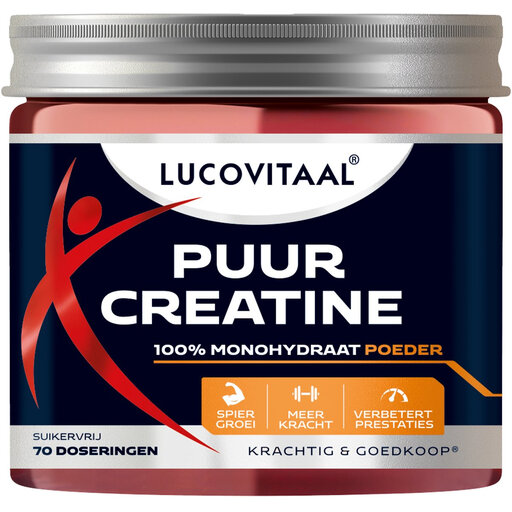
Why it suits this profile: A simple powder containing one main ingredient, making it easy to understand for anyone trying creatine for the first time and wanting to mix it with water or a plant-based drink.
The formulation lists 100% creatine monohydrate, with no sugar and no flavourings. This means you are not paying for a long list of additional ingredients.
210 g contents; vegan; recommended amount of 3000 mg per day according to the product information.
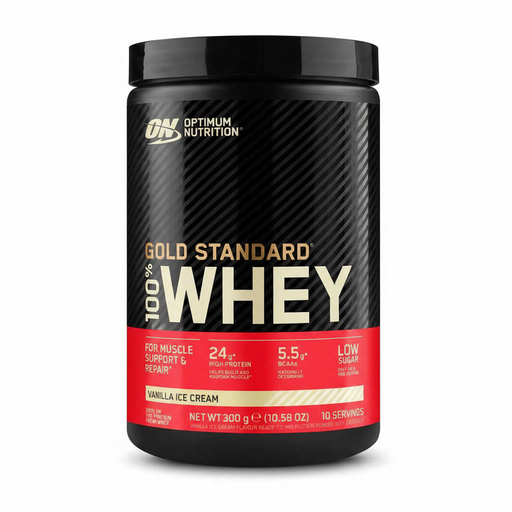
Why it suits this profile: Suitable for athletes who want to compare a familiar whey blend, clear nutritional values and a consistent serving size.
The product information lists around 24 g of protein per serving of approximately 30 g. This allows you to check the protein ratio and allergens, including milk and soya, in advance.
Whey isolate, concentrate and hydrolysed whey in one blend; approximately 119 kcal per serving.
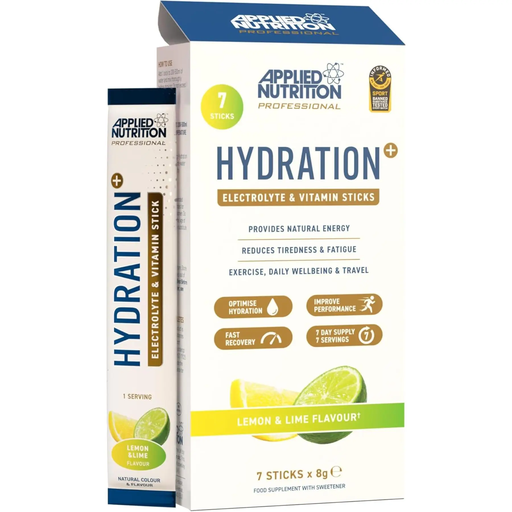
Why it suits this profile: Convenient individual sticks for runners, cyclists and active consumers who want to mix a sports drink while out and about.
The amount per stick is clearly specified: approximately 1190 mg of electrolytes, including sodium, potassium, chloride, calcium and magnesium. The recommended dosage is also one stick per day.
7 sticks; vegan and free from gluten and dairy according to the product information; dissolves in 200 to 500 ml of water.
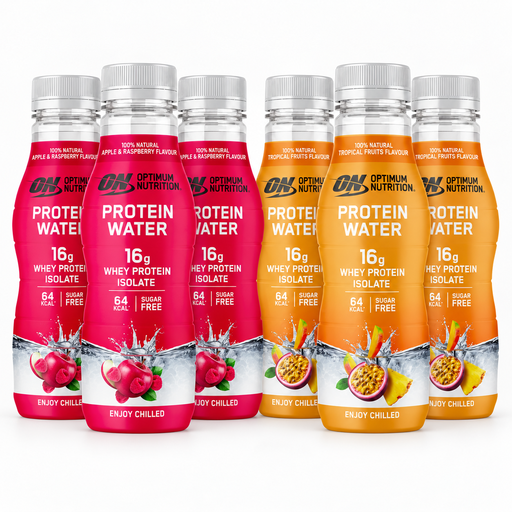
Why it suits this profile: A practical choice if you want to drink a ready-to-serve protein drink after training or between appointments, without using a shaker.
The protein, sugar, calorie and salt content is listed for each bottle. This means you can immediately see what you are drinking instead of relying solely on the term “protein water”.
16 g of protein per bottle; 0 g of sugar and 64 kcal; two fruit flavours in one bundle.
We have compiled a complete, up-to-date list of products that fully meet these strict selection criteria and the applicable European safety regulations.
Creatine monohydrate and protein powder serve different purposes within your diet and can be used on the same day. Follow the recommended dosage for each product. For its powder, Lucovitaal recommends 3 to 6 grams per use, with 3000 mg listed as the daily amount. Also make sure you drink enough and consult a doctor or pharmacist if you take medication or have a medical condition.
The best-before date is shown on the packaging. Store powder, bars and tablets in a cool, dry place away from direct sunlight. According to the product information, an opened protein drink should be refrigerated and used within 24 hours. Whenever you buy a product, also check the packaging for updated ingredients or new warnings.
That depends on the format you choose and the serving size. A whey shake can be relatively cost-effective per serving, while a protein bar mainly charges you for convenience and flavour. A protein drink is ready to consume immediately, but often contains less protein per pack than a large serving of powder. So compare the price per 20 or 25 grams of protein, rather than looking only at the price of the pack.
