
Vandaag of morgen in huis

Kwaliteit gegarandeerd

Welkomstaanbiedingen ontgrendelen: GRATIS bezorging | Tot 80% korting | Gratis 30 dagen JoyPlus-proefperiode
Download de app
Buying a tub of sports nutrition seems simple, until you compare labels side by side. One pack promises muscle building, another extra energy or rapid recovery. Yet a bold claim means little if the dosage, composition or usage instructions don’t match your goal.
When you compare sports nutrition supplements, you’ll mainly run into these three pitfalls:
For muscle growth and recovery, your total daily protein intake matters most. A supplement can be practical for that, but it doesn’t replace a varied diet. Check the label for:
The Optimum Nutrition Gold Standard 100% Whey variants state around 24 g of protein per serving. The 780 g pack contains about 26 servings according to the product information. Applied Nutrition Critical Professional Whey provides 21 g of protein per 30 g serving, while Beef-XP contains 27.2 g of protein per serving according to the product description.
According to the product information, protein contributes to the growth and maintenance of muscle mass. That’s an authorised EU health claim for protein, under the conditions that apply to the claim. Don’t expect protein powder on its own to build muscle: training, diet, recovery and sufficient energy are still decisive.
With creatine monohydrate, the amount of creatine per daily serving is more important than a long ingredients list. Many athletes choose a simple product with one creatine source, so the dosage stays clear.
Lucovitaal Pure Creatine Monohydrate Powder consists of 100% creatine monohydrate and states 3,000 mg per day. BSN DNA Creatine contains 3.5 g per serving and is unflavoured. C4 Pre-Workout, by contrast, contains 1,500 mg of creatine monohydrate per serving, alongside beta-alanine and caffeine, among other ingredients. That’s a different product concept and you should factor that in when combining several supplements.
The EU-authorised claim for creatine refers to an increase in physical performance in successive bursts of short-term, high-intensity exercise, with a daily intake of 3 g of creatine. Always check the dosage on the packaging and avoid unnecessary overlap between products.
Electrolyte products vary widely in form and composition. A powder is handy for use during or after a long training session, while capsules are compact for on the go. Pay attention to the amounts of sodium, potassium and magnesium per recommended serving.
Optimum Nutrition Electrolyte Supplement Powder states per serving 400 mg sodium, 300 mg potassium and 113 mg magnesium. Lucovitaal Electrolytes contains per two capsules 125 mg sodium, 300 mg potassium and 56.25 mg magnesium. The products are therefore not directly comparable one-to-one.
For a pre-workout, always check the caffeine content as well. The C4 variant listed contains 150 mg of caffeine per recommended serving. Count coffee, tea, energy drinks and other supplements towards your total daily intake. According to the product information, the product is not suitable for children and young people up to and including 17 years of age and is not recommended for pregnant or breastfeeding women.
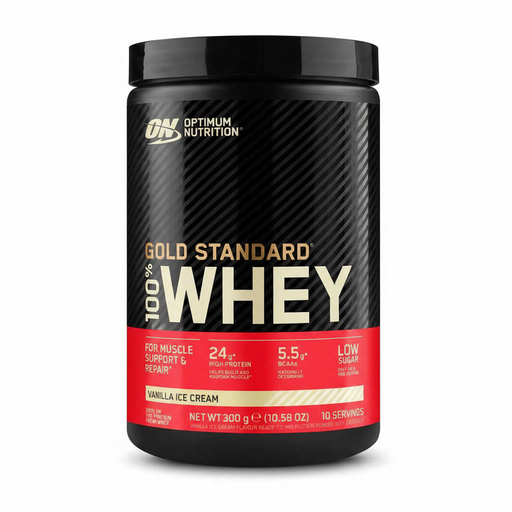
Why this suits the profile: The small pack with roughly ten servings is a practical way to try whey protein first without immediately buying a large stock.
The nutrition values are listed per serving: around 24 g protein, 119 kcal, 1.2 g sugar and 1.3 g fat. That makes it easy to check the price per serving and the composition.
Whey blend with isolate, concentrate and hydrolysed whey; instantised powder that, according to the product description, mixes with water or milk.
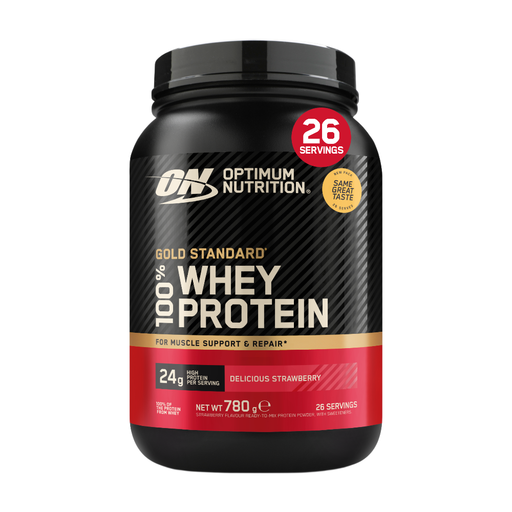
Why this suits the profile: For those who train regularly and want a larger pack, this variant offers around 26 servings with 24 g of protein per serving.
The pack lists both the 30 g serving size and the nutrition per serving, including 24 g protein and 1.2 g sugar. Compare the contents rather than just the pack size.
According to the product information, 100% of the protein source is whey; low in sugar and a blend with whey isolate, concentrate and hydrolysed whey isolate.
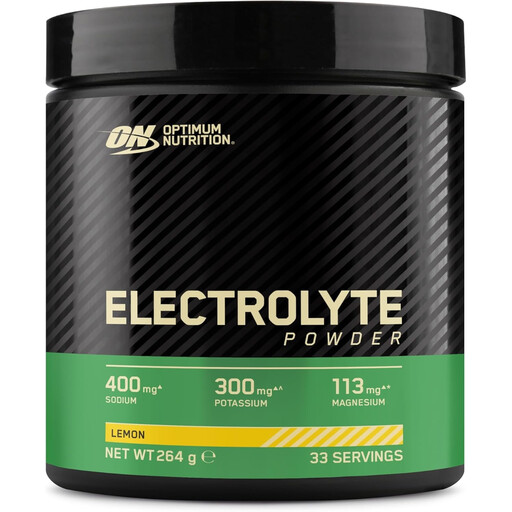
Why this suits the profile: Endurance athletes and those who want to prepare a drink during intense training may find a powder with fixed amounts of minerals more convenient than capsules.
The product information lists per serving 400 mg sodium, 300 mg potassium and 113 mg magnesium. You can therefore see which minerals you’re buying and how much water is needed: 8 g of powder in 450 ml.
33 servings per pack; sugar-free according to the product description and easy to dissolve in cold water.
We’ve compiled a complete, up-to-date list of products that fully meet these stringent selection criteria and comply with current European safety regulations.
That depends on the contents and your daily use. A 300 g pack with servings of about 30 to 32 g contains roughly nine to ten servings. A 780 g pack with 30 g servings comes out at around 26 servings. Also check the best-before date and store the tub tightly closed in a cool, dry place.
A ready-to-drink protein shake is practical on the go and doesn’t require a shaker. According to the product information, the Optimum Nutrition Protein Water variants provide 16 g of whey isolate per 350 ml bottle, with 64 kcal and no sugar. Protein powder is usually more flexible in dosing and storage. Protein bars are also handy as a snack, but always compare protein, sugar, calories and allergens per bar.
Not automatically. Choose by goal: whey protein or another protein source for extra daily protein; creatine monohydrate for a separate creatine intake; and electrolytes in a use case where you want to replenish minerals. Pre-workout often contains caffeine and multiple ingredients. So read the label, don’t blindly combine several formulas, and if you use medication or have a medical condition, ask a doctor or pharmacist for advice.
