
Vandaag of morgen in huis

Kwaliteit gegarandeerd

Welkomstaanbiedingen ontgrendelen: GRATIS bezorging | Tot 80% korting | Gratis 30 dagen JoyPlus-proefperiode
Download de app
Anyone searching for sports nutrition supplements is quickly faced with a wide range of powders, capsules, gummies and shots. The differences are not limited to flavour or brand name. Dosage, ingredients, caffeine content and timing determine whether a product is practical for your training.
The biggest pitfall is packaging that makes big promises but gives little clarity about the amount of active ingredient per serving. Use these checkpoints to compare products based on objective information and avoid wasting your money.
Do not compare only the total number of grams or capsules. Look at the daily dosage and number of servings. For example, a 216-gram creatine product may contain 63 servings of 3.5 grams, while another product uses a different dosage per scoop.
With capsules, the number of capsules per day also matters. Four capsules containing 750 mg of creatine each provide 3,000 mg of creatine in total, but are less practical than one scoop of powder if you prefer to take fewer capsules.
A pre-workout containing creatine, taurine, beta-alanine, citrulline, vitamins and caffeine may seem versatile. However, you need to check how much of each ingredient it contains. Also check whether you are already getting the same substances from another supplement.
With a caffeine tablet or pre-workout, your total daily caffeine intake is particularly important. Include coffee, tea, energy drinks and other supplements in your calculations. Lucovitaal, for example, states that each tablet contains 200 mg of caffeine, with a maximum of 400 mg per day for these tablets. According to the product information, the product is not intended for children, young people or pregnant women.
Words such as “pump”, “focus” or “recovery” mean little without dosage information and warnings. According to brands’ own product information, certain ingredients may contribute to specific permitted nutrition claims, but the experience varies from person to person. A supplement is no substitute for a varied diet, sufficient sleep or a suitable training plan.
If you are looking for creatine monohydrate, these are the most important points:
According to the product description, Lucovitaal Pure Creatine Monohydrate Powder contains 100% creatine monohydrate, is sugar-free and vegan. The recommended daily amount stated in the product information is 3,000 mg. According to the manufacturer, BSN DNA Creatine also contains micronised creatine monohydrate, with 3.5 grams per serving.
You usually take a pre-workout before training. Therefore, check:
A caffeine-free pre-workout can be practical if you train later in the day or want to avoid caffeine. According to the product information, Optimum Nutrition Platinum Pump Pre-Workout contains no caffeine and includes 8 grams of L-citrulline, 3.2 grams of beta-alanine and 2 grams of L-arginine per serving. Applied Nutrition ABE Pump is also caffeine-free; according to the product information, the recommended maximum serving of 25 grams provides 3 grams of creatine.
With electrolytes, electrolyte capsules or a hydration supplement, focus mainly on the minerals per serving:
According to the product description, each serving of two Lucovitaal Electrolytes capsules contains 125 mg of sodium, 300 mg of potassium, 56.25 mg of magnesium and 120 mg of calcium. According to the product information, Applied Nutrition Electrolytes Hydration Stick Packs contain several electrolytes and vitamins per stick and are dissolved in 200 to 500 ml of water. Always check the label, as the ingredients and usage advice may change.
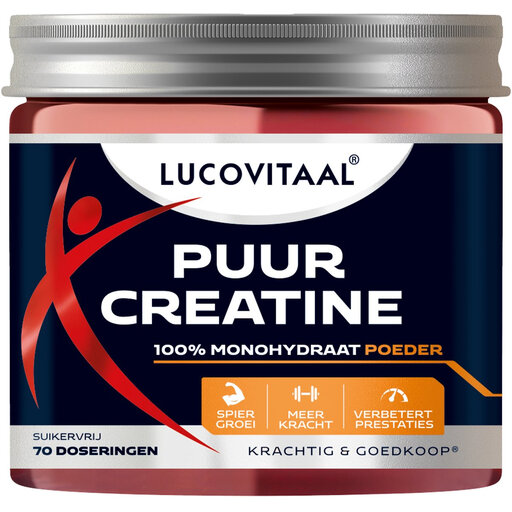
Why it suits this profile: A simple unflavoured creatine powder without sugar or a complex blend. According to the product information, it contains 100% creatine monohydrate and is vegan.
The formula is straightforward, so you are not paying for a long list of extra ingredients with unclear dosages.
210 grams of product, a fine powder texture, sugar-free and vegan according to the product description.
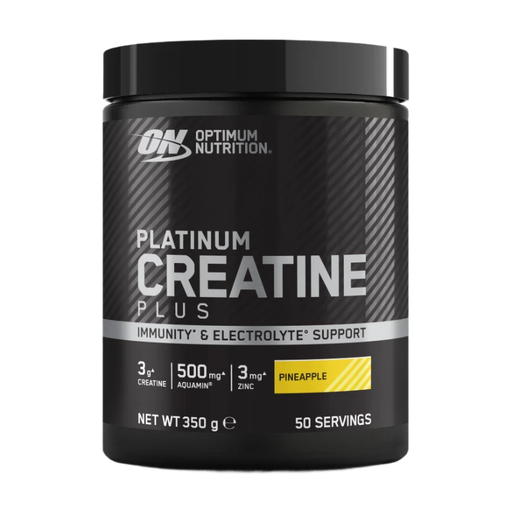
Why it suits this profile: Suitable for athletes who want to combine creatine with magnesium, zinc and B vitamins in one flavoured formula.
The product information lists 3 grams of creatine per serving separately, allowing you to distinguish the amount from the other ingredients.
350 grams of product, 3 grams of creatine per serving and pineapple flavour according to the product details.
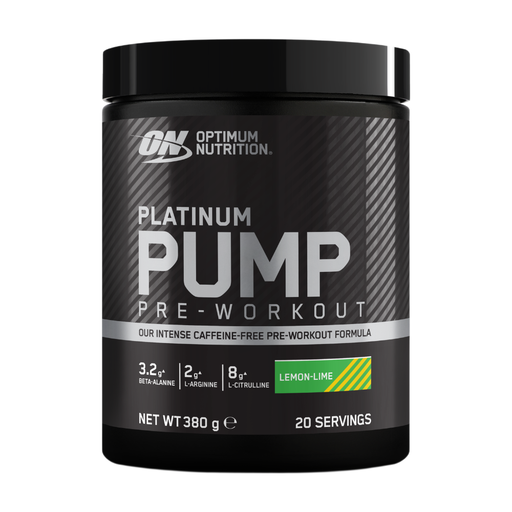
Why it suits this profile: A caffeine-free pre-workout for adults who train in the evening or want to avoid stimulants around their training.
According to the product information, the caffeine content is zero. You therefore do not need to calculate any hidden caffeine in the formula.
8 grams of L-citrulline, 3.2 grams of beta-alanine and approximately 20 servings according to the product information.
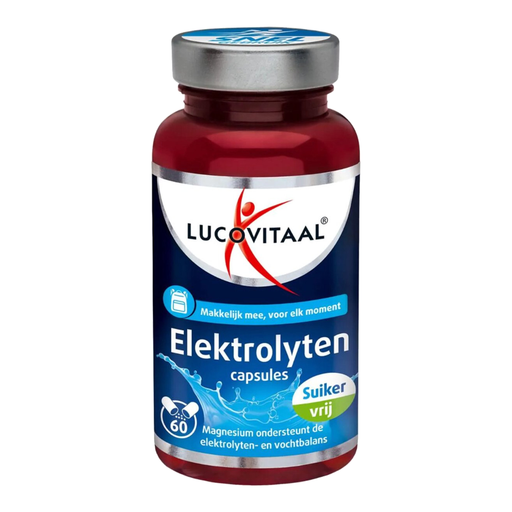
Why it suits this profile: Ideal if you do not want to mix a sweet sports drink and prefer an easy way to take electrolytes with you.
The amounts of sodium, potassium, magnesium and calcium are stated per recommended serving.
60 capsules, sugar-free and without fragrances, colourings or flavourings according to the product description.
We have put together a complete, up-to-date list of products that fully meet these strict selection criteria and the applicable European safety regulations.
That depends on the product label and your intended use. The product information mentioned above shows that different creatine products provide approximately 3,000 to 3,500 mg per daily serving. Always compare the amount of actual creatine, not just the weight of creatine monohydrate including capsule material or other ingredients.
Follow the expiry date and storage instructions on the packaging. Many powders should be stored in a cool, dry place in a sealed container. Moisture can affect the texture of powder. Capsules and gummies are more sensitive to heat and moisture. Do not use a product if the packaging is damaged or if the product has clearly changed in smell, colour or texture.
Not necessarily. A supplement can be useful when you are specifically looking for a particular ingredient, dosage or format. Creatine products are popular for strength training; for longer periods of exertion, electrolytes or carbohydrates may be practical. For everyone, supplements are no substitute for a varied diet. If you take medication, have a medical condition, are pregnant or are breastfeeding, consult a doctor or pharmacist first.
