
Vandaag of morgen in huis

Kwaliteit gegarandeerd

Welkomstaanbiedingen ontgrendelen: GRATIS bezorging | Tot 80% korting | Gratis 30 dagen JoyPlus-proefperiode
Download de app
If you’re looking to buy sports nutrition supplements, you’ll soon come across dozens of tubs, sachets and bars promising muscle growth, strength and faster recovery. But paying more or choosing a product with a long ingredients list doesn’t automatically mean you’re making a better choice. The right purchase depends mainly on your goals, diet and the information you can verify on the label.
A supplement containing lots of amino acids, vitamins and minerals may look appealing, but extra ingredients aren’t always necessary. If you simply want to top up your daily protein intake, a straightforward protein powder or whey protein may be more practical than a complex blend.
So check how much of the active ingredient each serving provides. With creatine, for example, the amount of creatine per recommended daily dose matters more than the name of the formula.
A large tub may seem like good value, but the number of servings can vary considerably between products. Compare the price per serving and check the serving size. A 2 kg tub of whey protein, for example, may contain around 67 servings, while a smaller pack can be an easier way to try a flavour first.
Also check products containing caffeine. According to the product information, a flavour such as Caramel Latte may contain 100 mg of caffeine per serving. This may make it less suitable if you train in the evening or limit your caffeine intake.
Terms such as “fast absorption”, “complete formula” or “for recovery” don’t tell you much on their own. Always check:
A food supplement is not a substitute for a varied diet. If you have allergies, take medication, are pregnant or have a medical condition, read the label carefully and, if necessary, consult a doctor or pharmacist.
For muscle growth and maintaining muscle mass, your total protein intake throughout the day matters. A protein shake can be especially useful if you find it difficult to get enough protein from meals.
Compare:
A protein drink can be handy when you’re out and about. According to the product information, Optimum Nutrition Protein Water flavours provide 16 grams of whey isolate per 350 ml bottle. They have a clear consistency rather than the creamy texture of a shake.
The daily amount is an important point of comparison when choosing creatine. According to the label, Lucovitaal Pure Creatine Monohydrate Powder contains 100% creatine monohydrate. The recommended amount is 3,000 mg per day. The powder is micronised and designed to mix easily.
If you’d rather not weigh out your dose, you could choose creatine capsules. According to the product information, Body & Fit Creatine Capsules provide 3,000 mg of creatine per four capsules. Always check how many capsules make up a full daily dose.
A creatine product with added minerals or vitamins may appeal if you want several ingredients in one drink. According to the product description, Optimum Nutrition Platinum Creatine Plus provides 3 grams of creatine per serving, along with magnesium, zinc and B vitamins. Compare it with pure creatine if you want to avoid unnecessary additions.
Electrolytes are particularly relevant if you exercise for a long time or at high intensity and lose a lot of fluid. Check the amounts of sodium, potassium and magnesium per serving, not just the flavour or packaging.
Optimum Nutrition Electrolyte Supplement Powder Lemon lists 400 mg of sodium, 300 mg of potassium and 113 mg of magnesium per serving. The recommended preparation is 8 grams in 450 ml of cold water. Lucovitaal Elektrolyten Post-Workout Sachets contain magnesium, calcium, sodium and potassium, among other ingredients, as well as 4 grams of sugar per serving. This difference may matter if you’re keeping an eye on your sugar intake.
Also check the allergen information and warnings on the packaging when choosing electrolytes. Formulas can change.
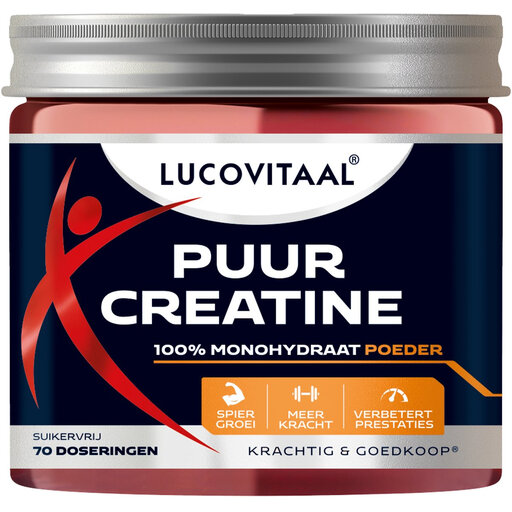
Why it suits this profile: A straightforward, single-ingredient powder is an easy option if you’re new to sports nutrition for strength training and want to mix your own dose.
The formula is listed as 100% creatine monohydrate, so there’s no need to compare complex blends.
210 grams, listed as vegan according to the product information, sugar-free and with a recommended amount of 3,000 mg per day.
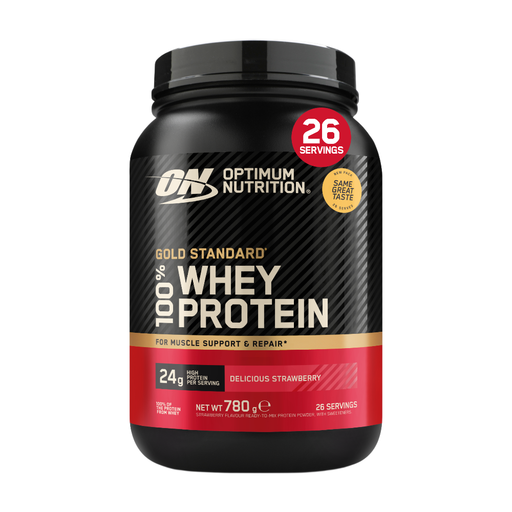
Why it suits this profile: Suitable for adults who want to make a regular protein shake part of their strength-training routine and pay attention to protein per serving.
The product information lists the protein and nutritional values per serving, making it easier to compare than relying on the packaging alone.
Around 24 grams of protein per serving, approximately 119 kcal and a blend of whey isolate, whey concentrate and hydrolysed whey.
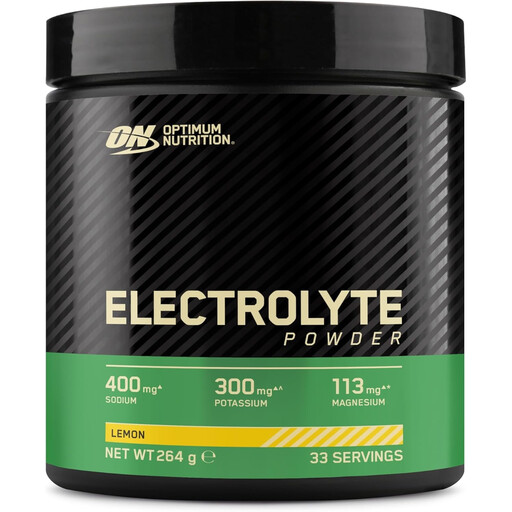
Why it suits this profile: A practical choice for long training sessions, outdoor sports or workouts where you want to take a drink containing measured amounts of minerals with you.
The amounts of sodium, potassium and magnesium per serving are clearly listed, so you don’t have to rely on vague hydration claims alone.
33 servings, listed as sugar-free in the product information, with mixing instructions for 8 grams in 450 ml of cold water.
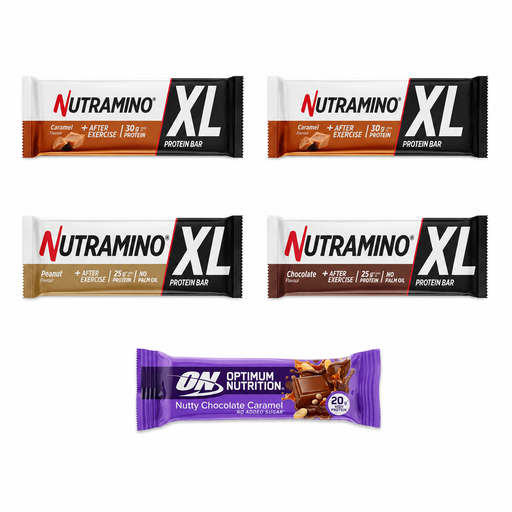
Why it suits this profile: Handy for anyone who doesn’t want to carry a shaker and is looking for a protein-rich snack for when they’re out and about or between meals.
A variety pack lets you compare flavours and formats without having to buy a large box of just one option.
Five bars in different varieties; the product information lists 20 grams of protein for the Optimum Nutrition bar, among other details.
We’ve put together a complete, up-to-date list of products that meet these strict selection criteria and the applicable European safety regulations.
Protein powder or whey protein can be a practical way to top up your daily protein intake. Check the amount of protein per serving and choose a product that suits your dietary preferences and takes account of any allergies. If you’re specifically comparing the amount per daily dose, creatine monohydrate is a straightforward option.
It depends on your overall diet and training schedule. A whey shake, protein drink or protein bar can be useful after exercise if you can’t have a meal straight away. Electrolytes are particularly relevant during longer or more intense exercise. Always follow the dosage on the label.
The best-before date is shown on the packaging and can vary by product and flavour. Powders should generally be stored in a cool, dry place and kept tightly sealed. Bars can be affected by heat. After opening, check the specific storage instructions and don’t use a product if its smell, colour or texture has noticeably changed.
