
Vandaag of morgen in huis

Kwaliteit gegarandeerd

Welkomstaanbiedingen ontgrendelen: GRATIS bezorging | Tot 80% korting | Gratis 30 dagen JoyPlus-proefperiode
Download de app
If you’re looking for sports nutrition supplements, you’ll soon come across a long list of protein powders, creatine, pre-workout products and electrolytes. The difference between a good buy and a poor one usually comes down not to eye-catching packaging, but to the ingredients, dosage and when you use the product.
A product may list plenty of ingredients, but that tells you little without the amount per serving. Always check the protein content, amount of creatine, caffeine content or amount of electrolytes per serving.
With protein powder, for example, the name whey protein isn’t the only thing that matters. Check how many grams of protein you get per scoop and the source: whey concentrate, whey isolate or a blend of the two.
Amino acids, vitamins and plant extracts can make a formula look more comprehensive, but they aren’t necessary for every goal. If you mainly want to increase your protein intake, a straightforward protein powder may be a better choice than a complex blend.
A simple formula can also be practical when it comes to creatine. A product containing 100% creatine monohydrate makes it easier to keep track of your daily intake.
Pre-workout products and some amino acid drinks contain caffeine. This may not be ideal if you train in the evening or already drink coffee, tea or energy drinks. Check your total daily intake and follow the warnings on the label.
Also look out for milk, soya, gluten, egg and nuts. A product may be described as suitable for an active lifestyle, but it could still contain allergens or be made in a facility that handles other allergens.
When choosing protein powder, consider the following:
According to the product information, Optimum Nutrition Gold Standard 100% Whey provides around 24 g of protein per serving. The formula contains whey isolate, whey concentrate and hydrolysed whey protein peptides. The EU-approved claim that protein contributes to the growth and maintenance of muscle mass may be used when the relevant conditions are met. This supplement is not a substitute for a varied diet.
Check the amount of creatine per day, its purity and the serving size. According to the label, Lucovitaal Pure Creatine Monohydrate contains 100% creatine monohydrate and recommends a daily intake of 3,000 mg. BSN DNA Creatine lists 3.5 g per serving.
The EU-approved claim states that creatine increases physical performance during successive bursts of short-term, high-intensity exercise, when consumed daily at 3 g. Choose a product that clearly states the daily amount on the label. An unflavoured variety is easy to mix with water or a shake.
When choosing a hydration supplement, sodium, potassium and magnesium are the main things to compare. Don’t just look for the word ‘electrolytes’ on the front of the pack; check the exact amounts per sachet or scoop.
Optimum Nutrition Electrolyte Supplement Powder lists 400 mg of sodium, 300 mg of potassium and 113 mg of magnesium per serving. According to the product information, one serving is intended for 450 ml of cold water. Applied Nutrition also offers individual sticks containing several minerals and vitamins. This packaging can be handy for travelling or exercising outdoors.
A pre-workout product may contain caffeine, beta-alanine, creatine, citrulline or amino acids. Check:
C4 Pre-Workout lists 150 mg of caffeine per recommended serving. If you want to avoid caffeine, consider Optimum Nutrition Platinum Pump Pre-Workout or Applied Nutrition ABE Pump Stim Free. According to the product information, these varieties contain no caffeine. Beta-alanine may cause a temporary tingling sensation in some users.
Glutamine powder and amino acid drinks are a different category. According to the product description, Optimum Nutrition Glutamine Powder contains 5 g of L-glutamine per serving. Essential Amin.O. Energy contains 5 g of amino acids and 100 mg of caffeine per serving. Always compare the product’s intended purpose with what you already get from your normal diet.
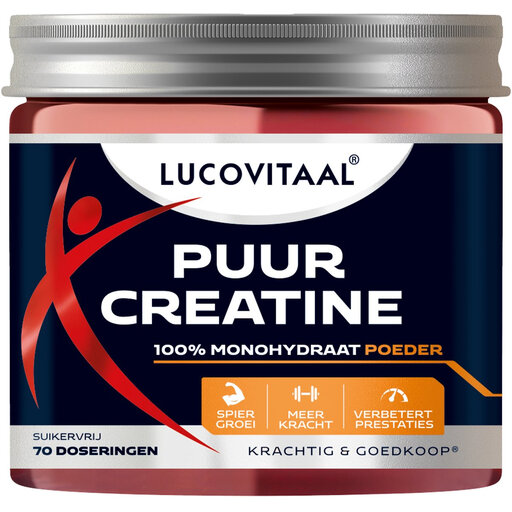
Why it suits this profile: The formula is straightforward and, according to the product information, contains only creatine monohydrate. This makes it easy to keep track of your daily dose.
You’re not paying for a long list of extra ingredients: the label states that it contains 100% creatine monohydrate.
210 g pack, vegan according to the product information and with no added sugar.
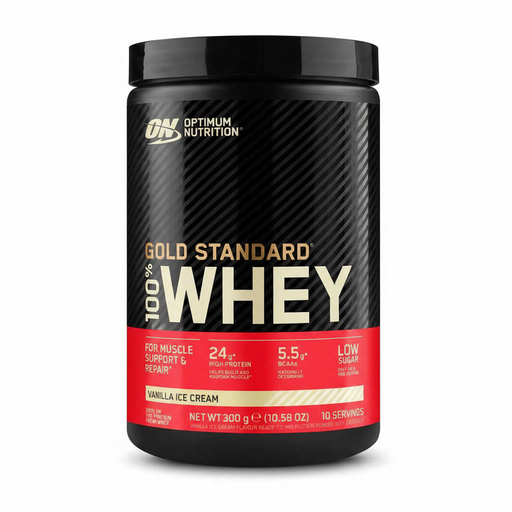
Why it suits this profile: Suitable for adults who want a convenient way to top up their daily protein intake with a well-known whey blend and a clearly stated serving size.
The product information lists around 24 g of protein per serving and clearly specifies the ingredients in the whey blend.
Around 24 g of protein per serving, low in sugar according to the label, and mixes with water or milk.
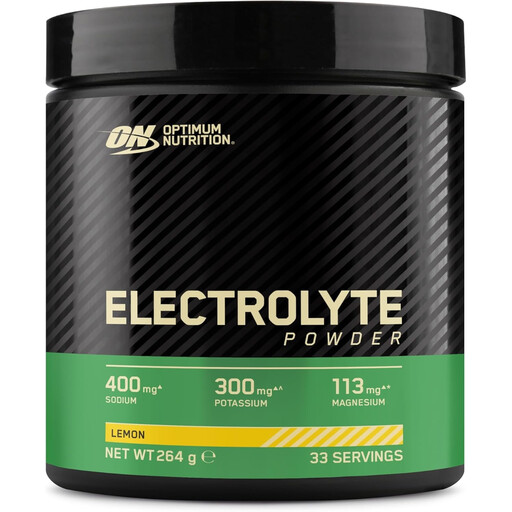
Why it suits this profile: A practical choice for adults looking to top up their mineral intake around longer or more intense training sessions.
The amounts of sodium, potassium and magnesium per serving are listed, so you don’t have to rely on the word ‘hydration’ alone.
33 servings, with 400 mg of sodium, 300 mg of potassium and 113 mg of magnesium per serving according to the product information.
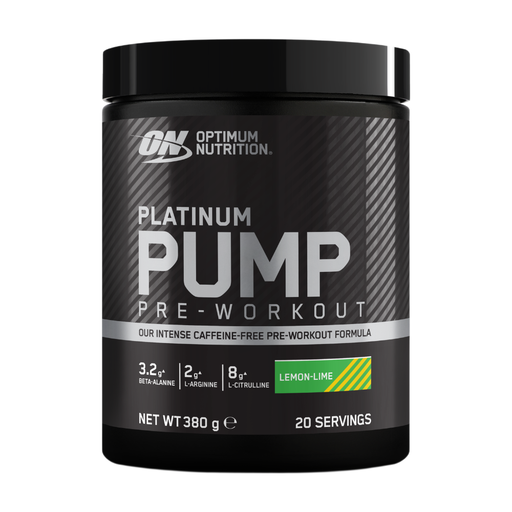
Why it suits this profile: According to the product information, this pre-workout is caffeine-free and designed for adults who want to train without stimulants.
The formula contains no caffeine, so you don’t have to factor in a hidden stimulant when calculating your daily intake.
8 g of L-citrulline, 3.2 g of beta-alanine and 2 g of L-arginine per serving according to the product information.
We’ve put together a complete, up-to-date list of products that meet these strict selection criteria and the applicable European safety regulations.
Start with your daily diet and training routine. Whey protein or another protein powder can be a convenient option if you find it difficult to meet your protein target through food alone. Creatine monohydrate is a separate option for repeated, short bursts of high-intensity exercise. You don’t automatically need to use several sports supplements for muscle growth at the same time.
Check the date on the packaging and follow the storage instructions. Powders generally keep better when stored in a cool, dry place, sealed and out of direct sunlight. Moisture can cause clumping, especially with pre-workout powders. If in doubt, always check the label, smell and manufacturer’s instructions.
No. Supplements are intended to complement a varied diet and healthy lifestyle. Only choose a product whose ingredients suit your goal. If you take medication, have a medical condition, are pregnant or breastfeeding, it’s best to speak to a doctor or pharmacist.
