
Vandaag of morgen in huis

Kwaliteit gegarandeerd

Welkomstaanbiedingen ontgrendelen: GRATIS bezorging | Tot 80% korting | Gratis 30 dagen JoyPlus-proefperiode
Download de app
When you search online for sports nutrition supplements, you’ll find plenty of promises about muscle growth, energy and faster muscle recovery. However, eye-catching packaging does not automatically mean a product is right for your training. The right choice starts with your goal, the dosage and the ingredients list.
A pre-workout with lots of ingredients may look appealing, but the quantities per serving matter more than the number of substances listed on the label. Always check the dosage of caffeine, creatine, citrulline and beta-alanine, for example. A product may contain several active ingredients without each one being present in an amount that is relevant to you.
With whey protein and other protein powders, what matters most is how much protein you get per serving. Also check the calories, sugar, fat and allergens. A product providing 24 grams of protein per serving may be more practical for everyday use than a powder with a larger scoop but less protein per 100 grams.
Also pay attention to the difference between whey concentrate, whey isolate and hydrolysed whey. These variants have different compositions and prices. If you need to avoid lactose or dairy ingredients, always check the label; whey generally contains milk.
For a standard fitness session, water is often the best starting point. During longer or more intense training, in hot weather or when you sweat heavily, an electrolyte product may be more practical. Compare the amount of sodium, potassium, magnesium and calcium per serving. Also check the sugar content: some powders contain a few grams of sugar, while other variants are sugar-free.
First choose the type of supplement that matches your goal:
Compare products on the same basis: per serving and per 100 grams. A 2-kilogram tub may seem like good value, but the number of servings and the recommended quantity determine the actual cost of use.
Examples from the range:
Caffeine may be present in pre-workout products and even in certain protein powders. According to the product information, C4 Pre-Workout contains 150 mg of caffeine per recommended serving. The Caramel Latte variant of Applied Nutrition Critical Whey lists 100 mg of caffeine per serving. Remember to factor in coffee, tea, energy drinks and other food supplements.
Also check whether the product contains milk, soya, gluten, egg, fish or other allergens. Always follow the instructions on the current packaging. Supplements are not a substitute for a varied diet and a healthy lifestyle. If you take medication, have a medical condition, are pregnant or breastfeeding, it is sensible to consult a doctor or pharmacist.
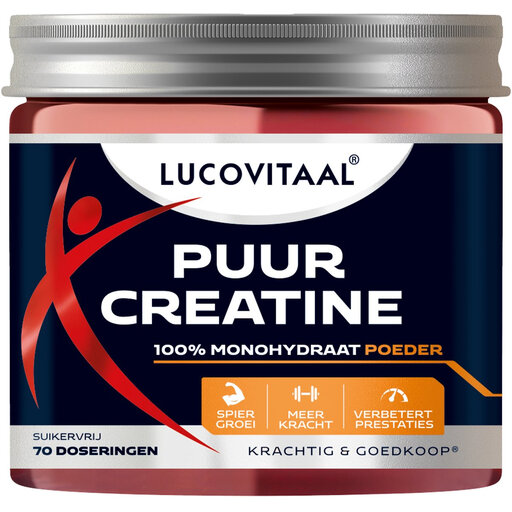
Why it suits this profile: A simple formula with 100% creatine monohydrate, without flavourings or added sugar. Ideal if you want to start with one targeted supplement.
The composition is straightforward, so you are not buying a complex blend containing ingredients you do not need.
100% creatine monohydrate; vegan and sugar-free according to the product information.

Why it suits this profile: For anyone looking for a protein powder with a high protein contribution and little sugar and fat per serving.
The nutritional values are clearly specified: 25 grams of protein, less than 1 gram of carbohydrates and less than 0.5 grams of fat per serving.
Whey isolate; 31 servings; easy to mix with water or milk.
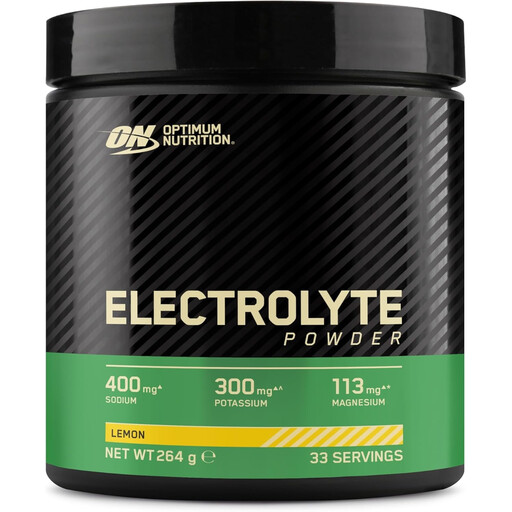
Why it suits this profile: An option for endurance athletes and active users who want to replenish minerals around training without added sugar.
The amounts of sodium, potassium and magnesium are listed per serving, allowing you to tailor the formula to your training situation.
400 mg of sodium, 300 mg of potassium and 113 mg of magnesium per serving; 33 servings.
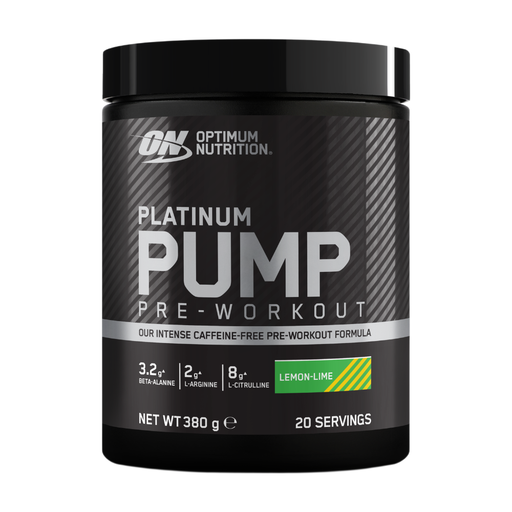
Why it suits this profile: The product information states that it is a caffeine-free formula for adults who train later in the day or want to avoid caffeine.
You do not need to choose stimulating ingredients if you are mainly looking for citrulline, beta-alanine and a training drink.
8 grams of L-citrulline and 3.2 grams of beta-alanine per serving; caffeine-free.
We have compiled a complete, up-to-date list of products that fully meet these strict selection criteria and the applicable European safety regulations.
Creatine is generally taken daily according to the dosage on the label. The exact timing around your training is less important than taking it consistently. Check whether any of your other supplements, such as pre-workout or a weight gainer, also contain creatine.
Unopened protein powder remains usable until the date shown on the packaging. Once opened, store the product in a cool, dry place and keep it tightly sealed. Moisture can cause clumping. If in doubt, check the smell, colour and instructions on the label.
Not necessarily. For short or less intense training sessions, water may be sufficient. Electrolytes can be more practical during prolonged exercise, in hot weather or when you sweat heavily. Compare the minerals per serving and follow the recommended daily intake.
