
Vandaag of morgen in huis

Kwaliteit gegarandeerd

Welkomstaanbiedingen ontgrendelen: GRATIS bezorging | Tot 80% korting | Gratis 30 dagen JoyPlus-proefperiode
Download de app
You're looking for sports nutrition and supplements to top up your daily protein intake, support muscle recovery or stay hydrated during exercise. However, eye-catching packaging doesn't automatically mean it's a good buy. There are three main pitfalls that can lead you to pay more than you need to, or choose a product that doesn't suit your routine.
The first pitfall is looking at the number of ingredients instead of the amount per serving. A long list of ingredients means little if the dosage of the key component isn't clear. The second is buying a bulk pack without checking the number of servings. A tub weighing several kilos might seem like a bargain, but it may not suit your usage habits or taste preferences. The third is confusing marketing jargon with guaranteed results. You should always check claims about muscle growth, strength and performance against the nutritional information, instructions for use and legal information.
Compare products based on the amount per recommended serving, not just the total weight. For creatine, for example, it's important to know if you're taking 3 grams of creatine monohydrate per day. According to the product information, Lucovitaal Pure Creatine Monohydrate contains 100% creatine monohydrate and the recommended dose is 3 to 6 grams of powder per day. The Lucovitaal gummies provide 3,000 mg of creatine per three gummies, according to the label.
Also, note the difference between a raw ingredient and its active amount. For instance, C4 Pre-Workout lists 1,500 mg of creatine monohydrate, of which 1,319 mg is creatine. This shows you exactly what you're consuming.
When comparing whey protein, protein powder and protein drinks, the key points to look at are the protein per serving, carbohydrates, fats and allergens. Optimum Nutrition Gold Standard 100% Whey lists approximately 24 grams of protein per serving of about 32 grams. According to the product information, the drink from the Optimum Nutrition Protein Water Variety Bundle contains 16 grams of whey protein isolate per 350 ml bottle, with 64 kcal and no sugar or fat.
A drink is practical for when you're on the go, while protein powder can often be cheaper per serving. If you have a milk allergy or lactose sensitivity, always check the label: whey products typically contain milk. Vegan supplements can be an alternative, but you should also check their protein source and serving size.
For pre-workout supplements, the caffeine per serving is a non-negotiable detail. The C4 version mentioned contains 150 mg of caffeine per scoop. According to its product information, Applied Nutrition Critical Whey Caramel Latte contains 100 mg of caffeine per serving. Remember to factor in coffee, tea, energy drinks and other supplements when calculating your total daily intake.
A powder requires a shaker, water and weighing. Gummies and ready-to-drink protein shakes are easier to take with you, but can work out more expensive per gram of active ingredient. With a weight gainer, you also need to take the serving size seriously. Optimum Nutrition Serious Mass lists 50 grams of protein, around 250 grams of carbohydrates and approximately 1,269–1,292 kcal per 334-gram serving. This is mainly suitable for someone who deliberately wants to add extra calories; for a light protein supplement, a serving this large is probably excessive.
Also, check the storage instructions. Powders must be stored in a dry place in a well-sealed container. Pre-workout can harden or clump if it gets damp. This is a reason to close the container immediately after use, not to automatically buy a larger supply.
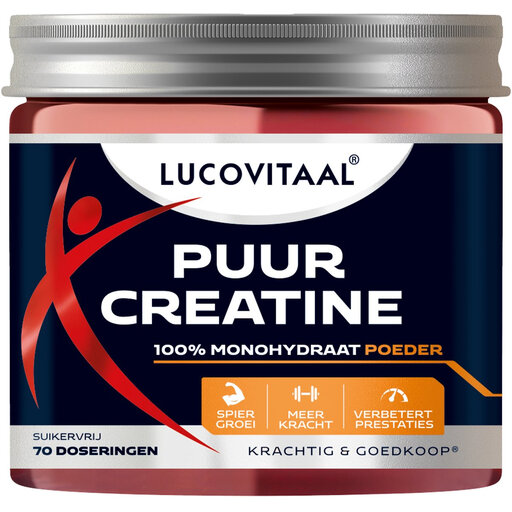
Why it's a good match: A simple powder option for those who want to add creatine to their routine without flavourings or complex formulas.
The ingredients list states 100% creatine monohydrate, so you don't have to evaluate a long mix of extra ingredients.
210-gram container, vegan according to the product information, and sugar-free; mix with water or plant-based milk.

Why it's a good match: Suitable for adults looking for a well-known whey blend with clear nutritional values per serving.
The product information specifies whey isolate, concentrate and hydrolysed whey, plus approximately 24 grams of protein per serving.
Instantised powder, approximately 119 kcal per serving, and a 300-gram pack that's perfect for trying out a flavour.
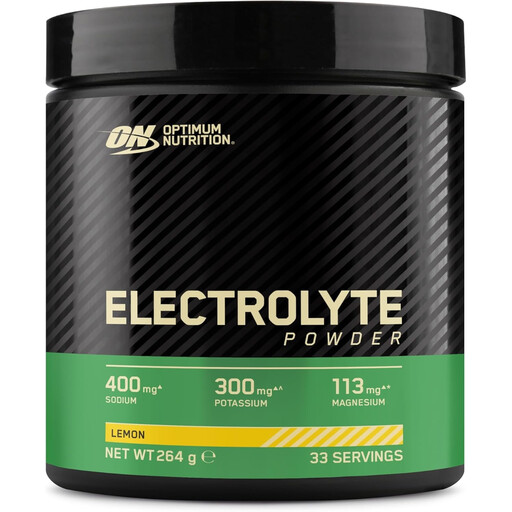
Why it's a good match: Practical for long training sessions, endurance sports or hot days when you want to take a mineral powder with you.
The product information lists specific amounts per serving: 400 mg of sodium, 300 mg of potassium and 113 mg of magnesium.
33 servings, sugar-free according to the product information, and can be mixed with 450 ml of cold water.
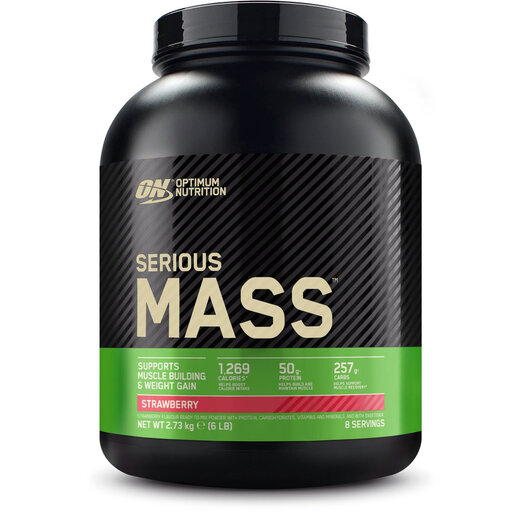
Why it's a good match: For adults who want to purposefully add extra calories, carbohydrates and protein to their diet.
The large serving size is clearly stated, including approximately 1,269–1,292 kcal, 50 grams of protein and 250 grams of carbohydrates.
2.73 kg container with 9 stated servings; suitable for use between meals or after training, according to the product information.
We've put together a complete, up-to-date list of products that fully meet these strict selection criteria and comply with current European safety regulations.
With creatine, daily consistency is more important than timing. Follow the dosage on the label and drink plenty of water. For its Pure Creatine Monohydrate, Lucovitaal states 3 to 6 grams of powder per day; for the gummies, it's 3 to 6 gummies depending on your needs. Do not use multiple creatine products at the same time without checking the total amount.
The best-before date is printed on the packaging. Store protein powder in a cool, dry place in a well-sealed container, away from direct sunlight and moisture. Always use a dry scoop. If the smell, colour or texture changes noticeably, check the label and, if in doubt, do not use the product.
That depends on the serving size, how often you use it and the type of product. Calculate the cost by dividing the price by the number of servings. Then, compare the amount of protein, creatine or electrolytes per serving. A protein drink is convenient for on the go, while a bag of protein powder can be more cost-effective for daily use. Also, factor in flavour, allergens, storage and the recommended dosage when making your choice.
