
Vandaag of morgen in huis

Kwaliteit gegarandeerd

Welkomstaanbiedingen ontgrendelen: GRATIS bezorging | Tot 80% korting | Gratis 30 dagen JoyPlus-proefperiode
Download de app
When you’re looking for sports supplements, you’ll quickly see terms such as creatine, muscle growth, recovery, focus and energy on almost every pack. But a striking claim tells you little about whether a product suits your training, diet and budget. The right choice starts with the ingredients, dosage and ease of use.
A pre-workout with lots of ingredients may look appealing, but focus on the amount per serving. An ingredients list featuring citrulline, beta-alanine, amino acids and creatine is only useful if you also know how much you’ll actually be taking.
Don’t compare products by the total weight of the tub alone. Check the number of servings and the recommended dosage. For example, a 300-gram pack may contain fewer daily servings than a smaller pack with a lower dosage. So work out the price per serving.
Do you take creatine monohydrate on its own as well as a pre-workout that contains creatine? Your total intake could be higher than you expect. The same applies to caffeine from pre-workout, coffee, energy drinks and tea. Make a note of the active ingredients before combining several supplements.
For many people who exercise, creatine monohydrate is a straightforward choice. Check that the product clearly states how much creatine each serving contains. According to the product information, WeightWorld Micronised Creatine Monohydrate provides 3 grams of creatine monohydrate per scoop and contains creatine monohydrate only. BSN DNA Creatine lists 3.5 grams per serving, with 63 servings in 216 grams.
According to the product information, claims that creatine improves physical performance during repeated bouts of short, high-intensity exercise are permitted when you take 3 grams a day. This doesn’t mean everyone will experience the same results. Training, sleep, diet and consistent use all remain important.
Also consider the format. Powder is often good value per serving, while gummies are handy when you’re out and about. According to the label, Lucovitaal Creatine Gummies provide 3,000 mg in three gummies, but check the recommended amount before taking more.
For protein powder and whey protein, the protein content matters more than the name on the front of the pack. The 780-gram variant of Optimum Nutrition Gold Standard 100% Whey lists 24 grams of protein per 30-gram serving. Its ingredients include whey isolate, whey concentrate and hydrolysed whey protein.
Also check:
If you want to avoid dairy, you could consider an alternative made with beef protein. According to the supplied product information, Applied Nutrition Beef-XP provides 27.2 grams of protein per 30-gram serving and is free from dairy and gluten. Always check the current packaging, as recipes can change.
A pre-workout isn’t the same as an electrolyte product. Pre-workout often contains caffeine and ingredients such as citrulline, beta-alanine or creatine. Electrolyte products focus mainly on minerals such as sodium, potassium, magnesium and calcium, sometimes with added carbohydrates.
Optimum Nutrition Gold Standard Pre-Workout Fruit Punch lists 175 mg of caffeine per serving and 3.4 grams of creatine monohydrate. Jack3d Advanced Pre-Workout lists 130 mg of caffeine per scoop, alongside 2,000 mg of citrulline and 2,000 mg of beta-alanine. At a maximum of three scoops, the caffeine content rises to 390 mg, according to the label. That makes it particularly important to get the dosage right.
Electrolytes can be useful during longer or more intense exercise. According to the product information, each two-tablet serving of WeightWorld Electrolyte Complex contains 760 mg of chloride, 500 mg of potassium, 200 mg of sodium and 150 mg of magnesium, among other ingredients. A product with carbohydrates, such as Care Plus Carbohydrate Electrolyte Performance Effervescent Tablets, may be a better fit if you want carbohydrates as well as minerals.
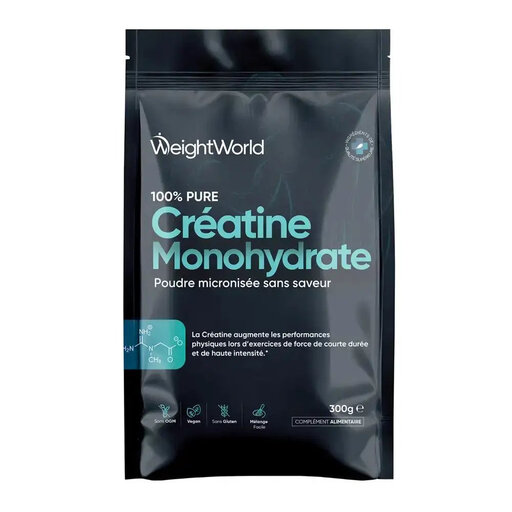
Why it suits this profile: An unsweetened powder with 300 grams of creatine and a clearly stated 3-gram serving is a straightforward option if you’re just starting out with creatine.
The ingredients list contains creatine monohydrate only, with no artificial flavourings or added ingredients.
3 grams per scoop, 300 grams in total, vegan according to the product information and easy to mix.
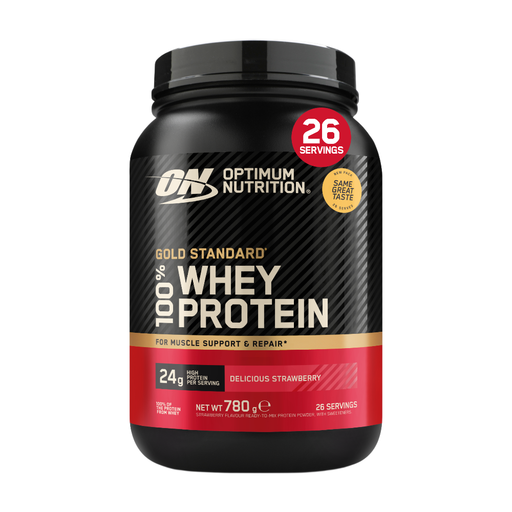
Why it suits this profile: A practical way for active people to top up their daily protein intake with a whey blend of isolate, concentrate and hydrolysate.
The label states both the serving size and the 24 grams of protein per serving, making it easier to compare with other products.
24 grams of protein per 30-gram serving, 780 grams in total, and clear allergen information for milk and soya.
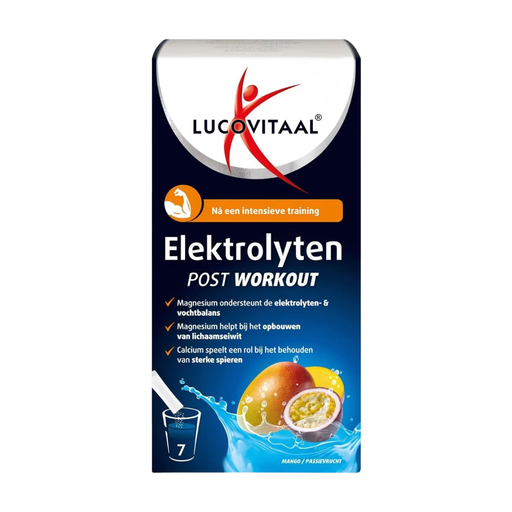
Why it suits this profile: Convenient sachets for people who want a pre-measured serving of minerals after an intense workout.
Each serving is pre-measured, and the amounts of magnesium, calcium, sodium and potassium are listed per dose.
According to the product information, it contains magnesium, calcium, sodium, potassium, vitamin C and zinc; one sachet contains 4 grams of sugar.
We’ve put together a complete, up-to-date list of products that meet these strict selection criteria and the applicable European safety regulations.
It depends on your diet and goals. Creatine monohydrate may be suitable for repeated bouts of short, high-intensity exercise. Protein powder is particularly convenient if you find it difficult to get enough protein from your daily diet. Pre-workout is optional, but you’ll need to pay extra attention to caffeine.
Check the best-before date on the pack and store creatine in a cool, dry place with the container tightly closed. Always follow the latest instructions for use. Clumping caused by moisture doesn’t automatically mean the product is unusable, but if it smells, looks or tastes unusual, don’t use it.
Not necessarily. For a short workout in normal conditions, water may be enough. Electrolytes can be more useful if you sweat a lot, exercise for longer or train in hot conditions. Check the amount of sodium, potassium, magnesium and sugar, as well as the recommended dosage for each product.
Food supplements are not a substitute for a varied diet or a healthy lifestyle. Read the label and warnings before use. If you’re pregnant, take medication, have a medical condition or are unsure, it’s best to speak to a doctor or pharmacist.
