
Vandaag of morgen in huis

Kwaliteit gegarandeerd

Welkomstaanbiedingen ontgrendelen: GRATIS bezorging | Tot 80% korting | Gratis 30 dagen JoyPlus-proefperiode
Download de app
A tub of protein powder, creatine or pre-workout might seem like a quick choice. Yet many athletes end up paying for ingredients they don't need, an awkward dosage, or a flavour that wears thin after a few weeks. When it comes to sports nutrition and supplements, a smart purchase isn't just about the brand name or flashy claims – it's about the composition, dosage, and how well it fits into your daily routine.
Don't just compare the total weight. Look at the number of servings and the amount of active nutrient per serving. A weight gainer, for example, can contain a lot of calories, but also a large amount of carbohydrates per shake. That doesn't suit everyone.
With Optimum Nutrition Serious Mass Cookies & Cream, one serving provides 50g of protein, 250g of carbohydrates and approximately 1,269 to 1,292 kcal, according to the product information. The recommended serving is 334g, mixed with 710ml of water or milk. This is particularly relevant for adults who deliberately want to add a lot of extra energy, not for someone who just wants a bit of extra whey protein.
Pre-workouts and amino acids sometimes have long ingredient lists. So check which amounts are actually stated per serving. A formula with creatine, taurine, beta-alanine and L-arginine might look interesting, but the dosage and your own needs determine whether the product is practically useful.
Also watch out for caffeine. A product with a coffee flavour can contain more caffeine than you expect. Applied Nutrition Critical Whey Caramel Latte, for example, lists 100mg of caffeine per 33g serving. If you train in the evening or want to avoid caffeine, you're better off choosing a caffeine-free pre-workout or a protein powder without stimulant ingredients.
Whey protein and casein come from milk. Some products also contain soya, gluten, egg, nuts or peanuts. Always check the packaging, especially if you have an allergy or intolerance. Terms like vegan, sugar-free and lactose-free should also be verified against the ingredient list and the current product packaging.
For muscle growth and recovery, your total protein intake from your diet is important. A supplement can top up that intake, but it doesn't replace a varied diet. Look at:
Optimum Nutrition Gold Standard 100% Whey provides approximately 24g of protein per serving of around 31g. The Gold Standard Isolate variants provide 25g of protein per 31g serving, with less than 1g of carbohydrates and less than 0.5g of sugar per serving, according to the product information supplied.
With creatine monohydrate, the amount per day matters more than a long product name. Lucovitaal Pure Creatine Monohydrate contains 100% creatine monohydrate and recommends a daily amount of 3,000mg. The powder is vegan and sugar-free according to the product description.
Pre-workouts require extra attention to the maximum daily dose. Applied Nutrition ABE Pump Pre Workout Stim Free recommends a maximum of two scoops, equivalent to 25g, and at that maximum amount contains 3g of creatine. A caffeine-free formula can be handy for evening workouts, but always check the full ingredient list.
A supplement only works in practice if you can use it consistently. So compare:
With fibre supplements, mixing and drinking immediately is especially important. Lucovitaal Colon Phyta Fiber Powder consists of psyllium husk fibre and inulin. According to the product information, you mix 25g per day with water, yoghurt, milk or fruit juice and drink it straight after mixing. Use enough liquid and be aware of possible interactions with medication.
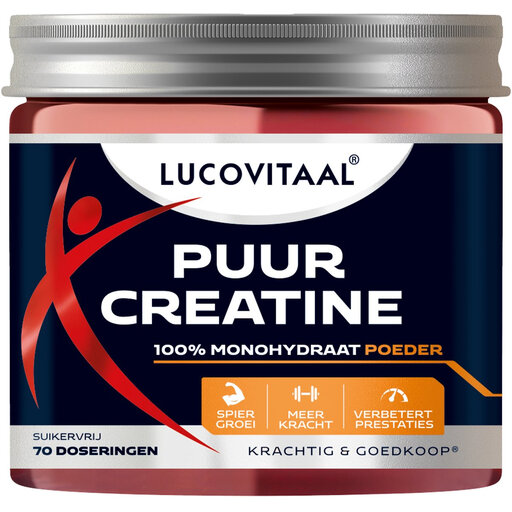
Why this suits the profile: A short ingredient list and a clear recommended amount make this powder straightforward for anyone starting out with creatine monohydrate.
According to the label, the composition is 100% creatine monohydrate. There are no unnecessary flavourings or complex blends listed.
210g content, vegan, sugar-free and free from the 14 major EU allergens according to the product information.
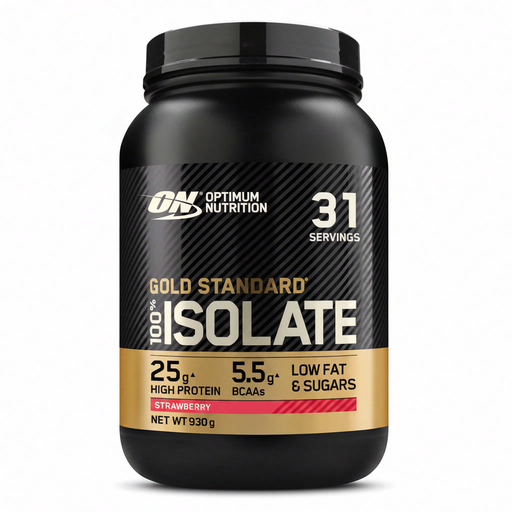
Why this suits the profile: Ideal for active adults looking for a protein powder with a high protein content and low sugar and fat per serving.
The serving and nutritional values are clearly stated: 25g protein, less than 1g carbohydrates and less than 0.5g sugar per serving.
930g, approximately 31 servings and whey isolate as the main ingredient. Contains milk and soya; check the label if you have allergies.
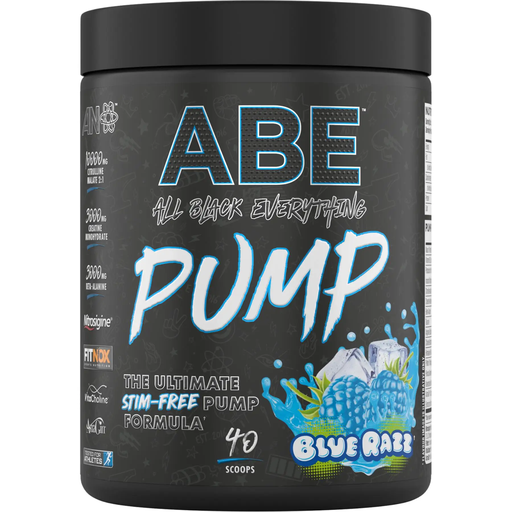
Why this suits the profile: For adults who train later in the day and want a caffeine-free pre-workout.
The formula explicitly states that no caffeine has been added. The maximum amount is two scoops per day.
Contains, among others, citrulline malate, beta-alanine, taurine and creatine; vegan and halal-certified according to the product information.
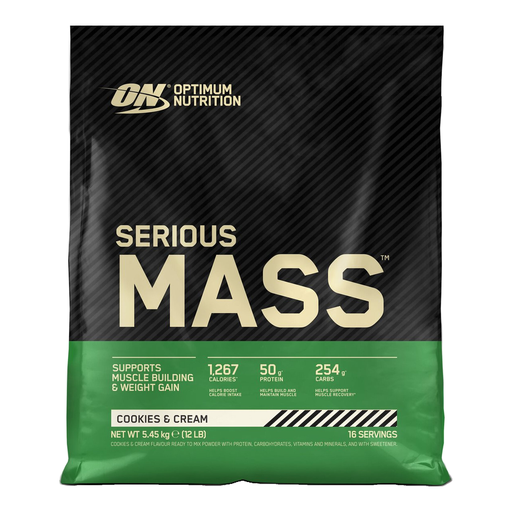
Why this suits the profile: For adults who want to add targeted extra calories and protein to an already energy-rich diet plan.
The very large serving and nutritional values are clearly stated. This means you can assess in advance whether 334g and over 1,200 kcal fit within your plan.
5.45kg content, 16 servings and, according to the product information, 50g protein per serving. Contains milk, gluten and egg.
We've put together a full, up-to-date list of products that fully meet these strict selection criteria and current European safety regulations.
Follow the best-before date and store the powder in a dry, cool place, tightly sealed. After opening, moisture and heat can affect the texture and flavour. Always use the date and storage advice on the packaging as a guide.
That depends on the serving size and how often you use it. Calculate the price per serving: divide the purchase price by the stated number of servings. Then compare the amount of protein, creatine or electrolytes per serving. A smaller pack can be more expensive per serving, while a large weight gainer might provide unwanted extra calories.
Not necessarily. First, choose based on your goal. Whey protein or protein powder can be handy for topping up your daily protein intake. Creatine monohydrate is a separate choice. Pre-workout is mainly a convenience product around training; pay attention to caffeine, dosage and warnings. Supplements are not a substitute for a varied diet and a healthy lifestyle. If you are taking medication, have a medical condition, are pregnant or breastfeeding, it's wise to consult a doctor or pharmacist.
