
Vandaag of morgen in huis

Kwaliteit gegarandeerd

Welkomstaanbiedingen ontgrendelen: GRATIS bezorging | Tot 80% korting | Gratis 30 dagen JoyPlus-proefperiode
Download de app
Whether you're training for a marathon, looking to build muscle mass, or simply seeking a health-conscious snack, the world of sports nutrition can be overwhelming. Packaging screams for your attention with promises that often seem too good to be true. As a Product Recommendation Officer at Joybuy, I'm here to help you cut through the noise and focus on what really matters. Let's explore the most common pitfalls so you can make a choice that fits your goals and your budget.
Before you fill your shopping cart, it's important to know what to look for. Many products seem ideal but hide disadvantages behind clever marketing.
To avoid making a poor purchase, there are a few objective specifications you should always check.
Proteins are the building blocks for muscle recovery and growth. The most common sources in sports nutrition are:
A good protein shake or bar will clearly specify the protein sources used. Always compare the protein content to the serving size and total calories to see if the product is efficient for your goal.
The nutrition facts panel is your most important tool. Pay attention to the following:
Looking for something specific? Then check if the right ingredients are present in a meaningful amount.
Based on objective product specifications, we have selected a few products that suit different user profiles.
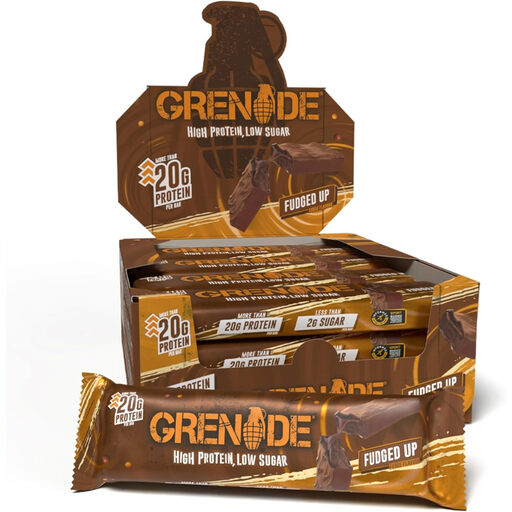
Why This Fits Their Persona: Ideal for those who head straight to the gym after work. This bar is a convenient and tasty way to get a quick protein boost for muscle recovery without having to prepare a full meal.
The manufacturer is transparent about the use of polyols and mentions the potential laxative effect. The focus is on a solid protein blend (20g per bar) rather than vague claims.
Contains 20 grams of protein per 60-gram bar and only 1.7 grams of sugar. According to the manufacturer, the product is Informed-Sport certified, which is a plus for serious athletes.
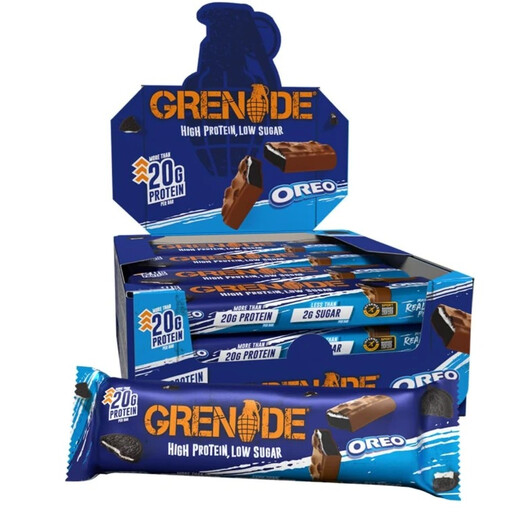
Why This Fits Their Persona: For those looking for a protein bar that doesn't feel like a compromise. The collaboration with OREO results in a product that tastes like a treat but fits within a health-conscious lifestyle. Perfect with coffee or to beat the afternoon slump.
While the OREO name creates hype, the claims are backed by the nutritional facts: 21 grams of protein and only 1 gram of sugar. It's not an empty marketing promise.
Combines a high protein value (21g) with a very low sugar content (1g). According to the manufacturer, the bar contains real OREO pieces for an authentic taste.
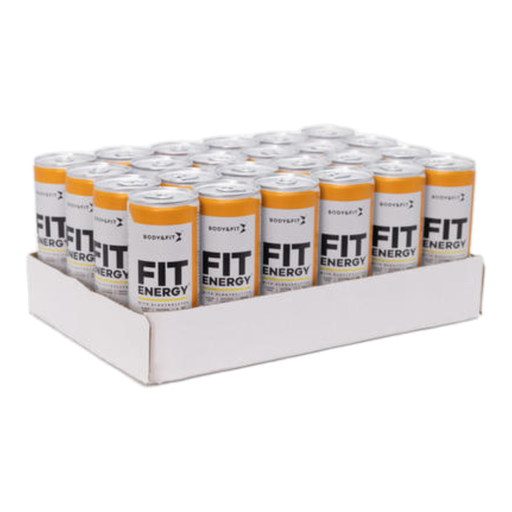
Why This Fits Their Persona: This user is looking for a drink that does more than just refresh. Suitable as a pre-workout or for a concentration boost while studying or working, without the sugar crash from traditional energy drinks.
This product doesn't just promise 'energy'; it specifies its functional ingredients: 100 mg of caffeine, 70 mg of magnesium, and BCAAs. The 'sugar-free' claim is confirmed by the nutrition facts panel.
Completely sugar-free and contains a combination of caffeine for focus, magnesium for electrolyte balance (according to the manufacturer), and amino acids (BCAAs).
We have compiled a complete, up-to-date list of products that fully meet these strict selection criteria and relevant regulations.
Absolutely. Many products, like protein bars, are also a practical choice for anyone with a busy lifestyle looking for a nutritious snack. They often provide more protein and less sugar than a standard supermarket snack. However, always read the label; products with high doses of caffeine (like a pre-workout) are less suitable for a day on the couch.
The amount of protein you need depends on your body weight, activity level, and goals. A general guideline for active adults is often between 1.2 and 2.0 grams of protein per kilogram of body weight per day. A protein shake or bar can be a convenient supplement to help meet this need, but it is not a substitute for a varied and balanced diet.
Check the ratio of protein to calories and sugar. A good bar for muscle recovery contains a significant amount of protein (e.g., 15-20 grams) without an excess of sugar or calories. Also, look at the ingredients list to see the protein sources and to check for the presence of polyols if you are sensitive to them.
