
Vandaag of morgen in huis

Kwaliteit gegarandeerd

Welkomstaanbiedingen ontgrendelen: GRATIS bezorging | Tot 80% korting | Gratis 30 dagen JoyPlus-proefperiode
Download de app
Buying a new supplement seems simple, until you start comparing labels. With sports nutrition and supplements, you may end up paying mainly for eye-catching packaging, a long ingredient list or a promise that isn’t clearly backed up by the product specifications.
Three common pitfalls are worth watching out for:
With creatine monohydrate, the daily amount matters more than the name on the front of the pack. For example, products in this selection list 3 grams of creatine per daily serving. That could be one scoop, three tablets or three gummies.
Look out for the difference between:
As a result, a product containing 300 grams of creatine powder may last a different length of time from a tub with 270 tablets. Also check whether you need a measuring scoop and whether the powder mixes well with water or a shake.
Some pre-workout products contain several stimulant ingredients. It’s especially important to keep an eye on your total caffeine intake. The different Jack3d Advanced Pre-Workout variants list 130 mg of caffeine per scoop. According to the product information, three scoops would add up to 390 mg.
A ready-to-use shot may be even more concentrated. According to the product description, the Applied Nutrition ABE Energy Shot contains 200 mg of caffeine per shot. So, don’t use several caffeine-containing products at the same time without calculating the total amount. These products aren’t intended for children and, according to the label, aren’t recommended for pregnant women. Always follow the warnings on the packaging.
If you avoid lactose, milk, soya or other allergens, read the ingredient list rather than relying on terms such as “fitness” or “vegan”. Whey protein is a milk protein, so it isn’t vegan. Optimum Nutrition Gold Standard 100% Whey Protein lists milk and soya as allergens.
If you’re choosing vegan supplements, these points are worth checking:
With protein powder, the protein content per serving matters too. The Optimum Nutrition variant mentioned here lists around 24 grams of protein per serving of approximately 30 grams. Applied Nutrition Beef-XP lists 27.2 grams of protein per 30-gram serving and, according to the product information, is intended as an alternative to whey. Check the current packaging, as the ingredients and usage advice may change.
Creatine is particularly suited to people who regularly do short, intense activities such as strength training, sprinting, CrossFit or explosive sets. Under an authorised EU claim, a daily intake of 3 grams of creatine can support physical performance during repeated short, intense efforts.
A protein product can be useful if you find it difficult to meet your daily protein needs through food alone. It isn’t a replacement for a varied diet. Amino acids, such as a product containing several essential and non-essential amino acids, may be another option, but always compare the amount per capsule with your own dietary intake.
Electrolytes can be useful during longer or more intense exercise, when hydration and minerals play a role. Check the exact amounts of sodium, potassium, magnesium and calcium. An electrolyte product containing caffeine isn’t the same as a caffeine-free electrolyte mix.
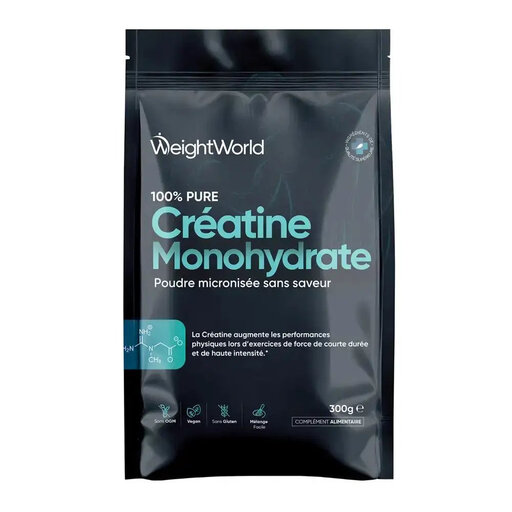
Why it suits this profile: A straightforward starting point for adults who want to take creatine daily without flavourings. The pouch contains 300 grams of powder and a scoop.
The ingredient list names creatine monohydrate as the sole ingredient. This makes it easy to check the amount of active ingredient.
3 grams of creatine per scoop, unsweetened and, according to the product information, suitable for vegans and free from the 14 main EU allergens.
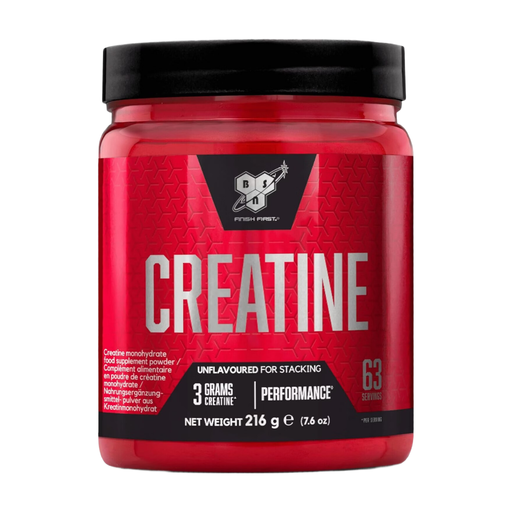
Why it suits this profile: A good choice for anyone looking for unflavoured creatine powder in measured servings, to take around a workout or at another time of day.
According to the product description, the formula contains only micronised creatine monohydrate, with no fillers or additives.
3.5 grams per serving, 216 grams per pack, 63 servings and a neutral flavour that can be mixed with other drinks, according to the description.
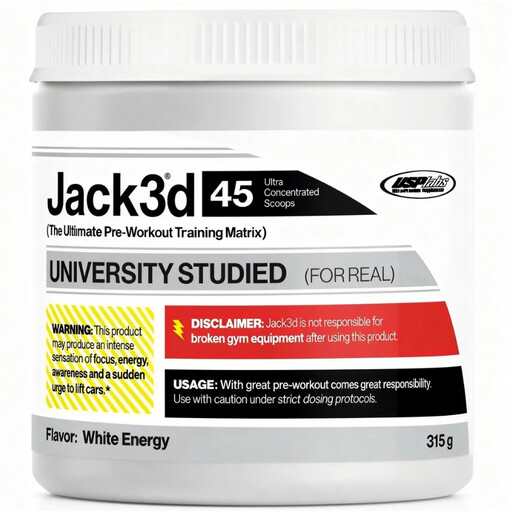
Why it suits this profile: For adults looking for a pre-workout blend containing citrulline, beta-alanine, creatine and caffeine to take before strength training or an intense gym session.
The product information lists the amount per scoop separately. Follow the label and start with one scoop to assess your personal tolerance to caffeine.
Per scoop: 2,000 mg L-citrulline, 2,000 mg beta-alanine, 1,000 mg creatine monohydrate and 130 mg caffeine; the pack contains 45 servings.
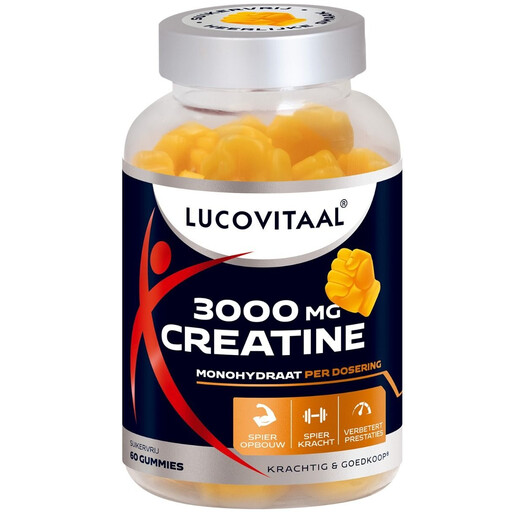
Why it suits this profile: A practical option if you don’t want to carry a shaker and would like to take creatine on the go or at work.
The daily amount is set at three gummies, so you can count out your serving without weighing powder.
According to the product information, three gummies provide 3,000 mg of creatine monohydrate. The formula is vegan, sugar-free and contains pectin.
We’ve put together a complete, up-to-date list of products that meet these strict selection criteria and the current European safety regulations.
It depends on the pack size and daily dose. A 300-gram tub taken at 3 grams per day theoretically provides around 100 servings. According to the product information, a product containing 216 grams with 3.5 grams per serving provides 63 servings. Always check the stated number of servings, as the recommended amount may vary by product.
Powder often has a simple formula and can work out cheaper per gram of creatine. Gummies are mainly convenient, but contain additional ingredients such as sweeteners, pectin and flavourings. So compare the price per daily serving, not just the price of the pack.
Not necessarily. Whey protein and other protein products already provide amino acids. First, look at your total protein intake from everyday foods. A separate amino acid product may be of interest if you prefer capsules or follow a specific nutrition routine. Use supplements to complement a varied diet and follow the dosage on the label.
