
Vandaag of morgen in huis

Kwaliteit gegarandeerd

Welkomstaanbiedingen ontgrendelen: GRATIS bezorging | Tot 80% korting | Gratis 30 dagen JoyPlus-proefperiode
Download de app
As a Joybuy Product Recommendation Officer, I see the vast array of choices available every day. Consequently, finding a good sports helmet that suits your activity and fits comfortably can be quite a challenge. Whether you're cycling through the countryside, visiting a skatepark, or descending a mountain, safety comes first. But a helmet must also be practical and comfortable.
This article is designed to help you. We'll walk through the most important factors to consider and highlight some popular choices, so you can make an informed decision without having to wade through marketing jargon.
Before we look at specific models, here are a few practical tips to get you started on choosing the right protective helmet.
A helmet only provides proper protection if it sits correctly on your head. It shouldn't wobble or feel too tight. Look for an adjustable helmet with a dial-fit system at the back. This allows you to fine-tune the fit to your head's circumference. Many helmets also come with different thicknesses of lining pads, so you can further customise the fit. A well-fitting adult helmet stays securely in place, even during sudden movements.
Not every helmet is suitable for every sport. The construction is often tailored to the types of impacts common to a specific activity.
You'll come across the term MIPS helmet more and more often. MIPS stands for Multi-directional Impact Protection System. According to the developers of MIPS, this system is designed to help reduce the rotational forces on the head that can occur during certain types of impacts. It's an extra layer inside the helmet that can move slightly. It's a feature to consider if you're looking for a helmet with additional safety features.
Based on specifications and functionality, we have selected a few models from OutdoorMaster that are suitable for various activities.

Why it stands out: This helmet combines the features of a traditional cycling helmet with the MIPS system, making it an interesting option for the safety-conscious recreational athlete.
Advantages:
Who is it for? For the all-round athlete looking for a single helmet for bike rides, mountain bike trails, and the occasional skate session.

Why it stands out: The Oryx has the classic look of a skate helmet but is built for multi-sport use. The focus is on durability and a comfortable fit.
Advantages:
Who is it for? Ideal for skateboarders, inline skaters, and BMX riders who want a strong, reliable helmet that is built to last.
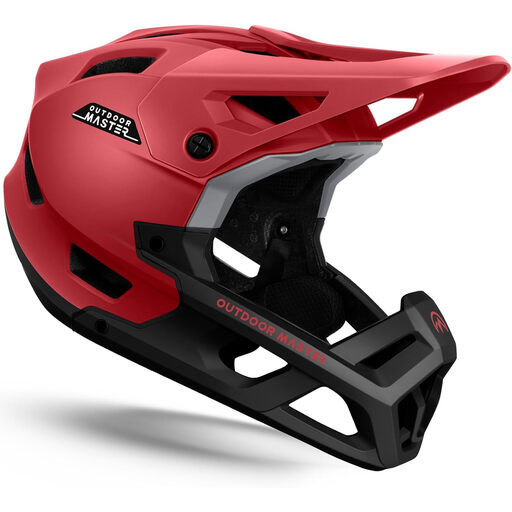
Why it stands out: This full-face helmet offers maximum protection for extreme sports, without compromising on comfort or weight.
Advantages:
Who is it for? For the serious mountain bike helmet seeker, downhill riders, and BMX'ers who require the highest level of protection.
If you haven't found your perfect match or are curious about other styles and materials, there are many more possibilities.
Check out our full range of Plastic ABS Helmets for more choices.
1. What is MIPS and do I need it? MIPS is a technology built into some helmets. It consists of a thin, low-friction layer on the inside of the helmet. According to its creators, the purpose of MIPS is to help reduce the rotational forces that can act on the brain during an angled impact. Whether you need it depends on your personal preference and the type of activity. It is an additional safety feature to consider.
2. How do I know what size helmet I need? The right size is crucial. Measure the circumference of your head at its widest point, about 2 cm above your eyebrows. Compare this measurement with the manufacturer's size chart. A good helmet should be snug enough not to shift, but not so tight that it becomes uncomfortable. Use the adjustment systems, such as the dial and chin strap, to fine-tune the fit.
3. When should I replace my sports helmet? The general recommendation from most manufacturers is to replace a helmet immediately after a significant fall or impact, even if you don't see any visible damage, as the internal structure could be compromised. Additionally, it is recommended to replace a helmet every 3 to 5 years, because materials like the EPS foam can lose their protective properties over time due to exposure to sweat and UV light. Inspect your helmet regularly for cracks or other signs of damage.
