
Vandaag of morgen in huis

Kwaliteit gegarandeerd

Welkomstaanbiedingen ontgrendelen: GRATIS bezorging | Tot 80% korting | Gratis 30 dagen JoyPlus-proefperiode
Download de app
A sports helmet may seem simple to choose at first glance. Yet many people buy a helmet that becomes uncomfortable after a few weeks, cannot be adjusted sufficiently or turns out not to be suitable for their sport. A cycle helmet for everyday commuting has different requirements from a skateboard helmet, BMX helmet or ski helmet with MIPS.
So do not focus solely on colour, price or a striking visor. The right choice is mainly about fit, intended use, certification and maintenance.
A helmet for cycling, skateboarding and inline skating may be suitable for several wheeled sports, but that does not automatically mean it is suitable for skiing or motorcycling. A ski helmet is designed for winter sports, while a motorcycle helmet is subject to different regulations from a children’s helmet or skate helmet.
Always check what the manufacturer specifies the helmet for. For example, a cycle helmet with LED lighting is not intended for motor vehicles. The product information for the DKONI HS-158 states this explicitly.
Age is only a guideline. Head circumference varies from person to person, and children grow quickly. Measure the circumference with a flexible tape measure around the widest part of the head, approximately above the eyebrows. Then compare the result with the manufacturer’s size chart.
An adjustable helmet helps achieve a precise fit, but it cannot fully compensate for the wrong basic size. A helmet should not wobble when you gently move your head from side to side.
A CE-certified helmet must meet the relevant European requirements for its specified use. You should also check the standard that applies to the sport. For example, the ACTION PW-905 product information states EN1078 tested and CE-certified for cycling and skating sports. For ski helmets, CE EN 1077 and ASTM F2040 are among the standards mentioned. A motorcycle helmet such as the MY 935 uses ECE R 22.06.
Certification does not mean that one helmet is suitable for every sport. Check the standard, intended use and information on the product page.
A good sports helmet sits level on your head and covers your forehead without obstructing your vision. The chin strap should fasten securely without feeling tight. On many models, you adjust the size using a dial at the back and adjustable straps around the ears.
For children, a children’s helmet with a dial and a simple quick-release buckle is practical. When trying it on, check that:
Many sports helmets combine a hard outer shell, such as ABS, polycarbonate or PVC, with an EPS inner layer. The outer shell helps maintain the shape, while EPS is designed to absorb impact energy in certain accidents. No helmet protects against every possible collision.
An in-mould construction bonds the outer shell and EPS layer during production. An ABS shell with an EPS core is also common in a skateboard helmet or helmet for roller skating. Do not look only at the material; also check the standard and intended use.
Ventilation openings make wearing a helmet for longer periods more comfortable. Removable linings are useful if you cycle, skate or ride BMX regularly, as they can be cleaned according to the maintenance instructions.
Extra features are only useful when they suit the way you use the helmet:
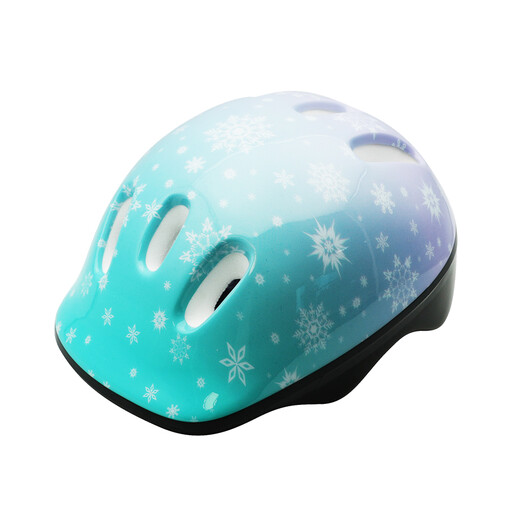
Why it suits this profile: A practical choice for children and beginners who cycle, skate or use scooters. The built-in adjuster makes fitting easy.
The size is adjustable, and the product information mentions EN1078 and CE for cycling and skating sports. However, check the correct size before buying.
PVC outer shell, EPS lining, adjustable head circumference and sturdy straps.
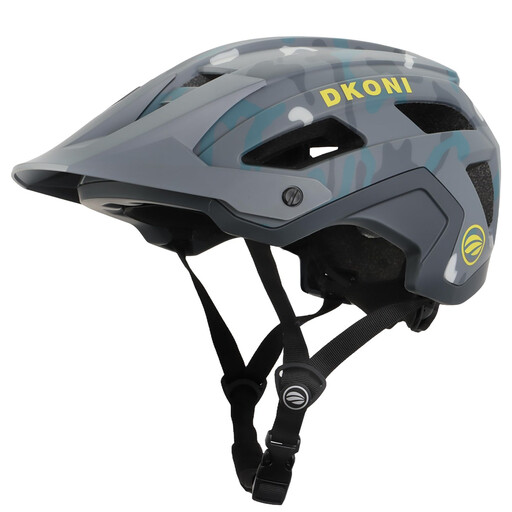
Why it suits this profile: Designed for adults who go on longer rides by mountain bike, trekking bike or e-bike.
The product information links the size to head circumference. The adjustment dial and removable lining help prevent fit and maintenance issues.
17 ventilation openings, removable visor, in-mould PC/EPS construction and a stated weight of 380 grams.
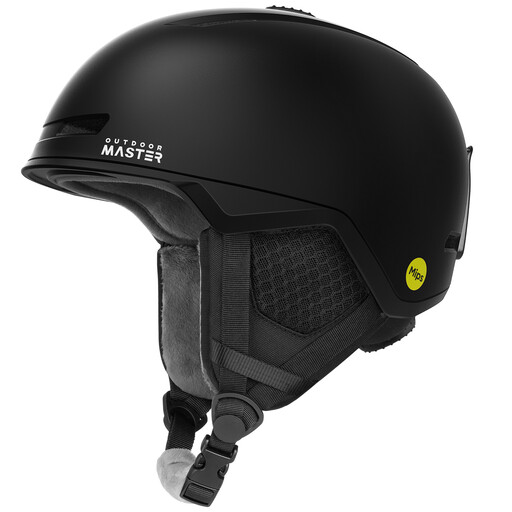
Why it suits this profile: For skiing, snowboarding and other winter sports where warmth, ventilation and a stable fit are important.
This is a winter sports model, not a general cycle helmet. The product information mentions MIPS, CE EN1077 and ASTM F2040; check the fit with your ski goggles.
MIPS system according to the product description, eight ventilation openings, adjustment dial and removable fleece lining with ear warmers.
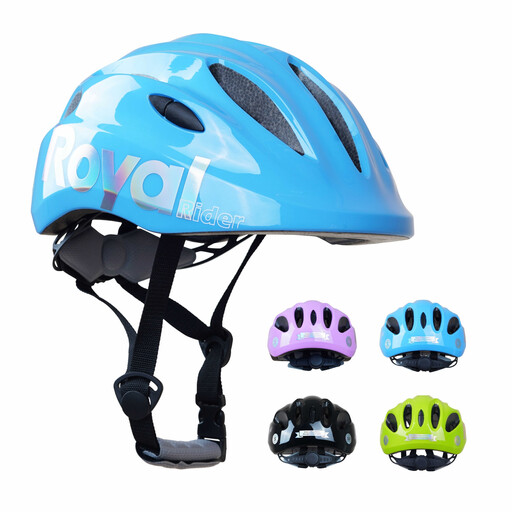
Why it suits this profile: Designed for children aged 5 to 13 who alternate between cycling, using scooters, skateboarding and BMX riding.
The product information specifies a range of 52.05 to 55.88 cm and a dual adjustment system. Nevertheless, measure the head before buying.
PC outer shell, EPS lining, ten ventilation openings and removable, washable lining.
We have put together a complete, up-to-date list of products that fully meet these strict selection criteria and the applicable European safety regulations.
Before every ride or training session, check your sports helmet for cracks, loose components and damaged straps. Clean the shell with a soft, damp cloth. Wash removable linings according to the product instructions and allow them to air-dry completely.
After a significant fall or collision, you should replace the helmet, even if there is no visible damage. The inner layer may be damaged without this being visible from the outside. Store the helmet in a dry place, away from direct sunlight and high temperatures. Do not remove or modify any components.
Use a flexible tape measure around the widest part of the head, approximately one to two centimetres above the eyebrows. Note the circumference in centimetres and compare it with the size chart for the specific model. Do not automatically choose the same size as a previous helmet.
Its lifespan depends on use, storage and any impacts. Replace a helmet immediately after a significant impact. Also regularly check the EPS layer, shell, fastening and straps for signs of wear. Some models also recommend replacement after several years; follow the manufacturer’s instructions.
No. A motorcycle helmet is designed and certified for motorcycling, for example according to ECE R 22.06. A cycle helmet, skateboard helmet or helmet with LED lighting is not intended to replace a motorcycle helmet. Choose a model with the correct certification and size for your motorbike, scooter or moped.
