
Vandaag of morgen in huis

Kwaliteit gegarandeerd

Welkomstaanbiedingen ontgrendelen: GRATIS bezorging | Tot 80% korting | Gratis 30 dagen JoyPlus-proefperiode
Download de app
When you search for sports and health supplements, you’ll quickly come across dozens of powders, capsules and sachets promising muscle growth, energy, recovery, skin or gut health. The difference isn’t just in the brand or flavour. What really matters is the composition per serving, allergens and intended use – these are what determine whether a product is right for you.
As a Joybuy Product Recommendation Officer, I filter market information down to verifiable product data. That way, you avoid paying mostly for flashy claims, a large tub or a long ingredients list.
A 2 kg tub sounds appealing, but always compare the number of servings and the amount of active ingredient per serving. With whey protein, 30 g of powder might deliver 21, 24 or 25 g of protein. The price per kilogram doesn’t tell the whole story.
Also pay attention to the recommended dosage. A product with 60 servings can run out sooner than expected if the daily dosage is higher.
Pre-workout products sometimes combine caffeine, beta-alanine, creatine, taurine, citrulline and vitamins in one formula. That can be convenient, but it makes comparison harder. Start by looking at your goal:
According to brands’ own product information, proteins can contribute to the growth and maintenance of muscle mass. For creatine, product information states that 3 g per day can increase physical performance during repeated short, high-intensity efforts. This doesn’t mean everyone will experience the same effect. Training, sleep, diet and your total daily intake all remain important.
Don’t use supplements as a replacement for a varied diet. If you are taking medication, have a medical condition, are pregnant or breastfeeding, it’s wise to consult a doctor.
With protein powder, don’t just compare “whey protein” on the front. Look at the table per serving:
A whey isolate typically comes from a concentrated protein source. The Optimum Nutrition 100% Gold Standard Isolate Vanilla, for example, states 25 g of protein per 31 g serving, less than 1 g of carbohydrates and less than 0.5 g of fat. According to the product information, this product contains milk and soya.
Always check the amount of caffeine per recommended dosage in a pre-workout. A product with 150 mg of caffeine per daily dose requires a different schedule than a caffeine-free formula. Don’t casually combine caffeine with coffee, energy drinks or other stimulating supplements.
Also pay attention to the recommended maximum amount. The Applied Nutrition ABE Pump Pre Workout Stim Free states a maximum daily dosage of 25 g. At 25 g, the formula provides 3 g of creatine according to the product information. That can be relevant if you’re not using a separate creatine monohydrate supplement.
Check the label if you want to avoid milk, soya, gluten or other allergens. Whey protein is milk-based. A beef protein product can be an alternative for those avoiding whey, but always check the exact ingredients and product information.
For vegan supplements, creatine powders and some pre-workouts are practical. With fibre supplements, pay attention to the amount of water needed. Psyllium husks swell up; mix the powder and drink it immediately. The product label from Lucovitaal also states that fibre can affect how medicines work.
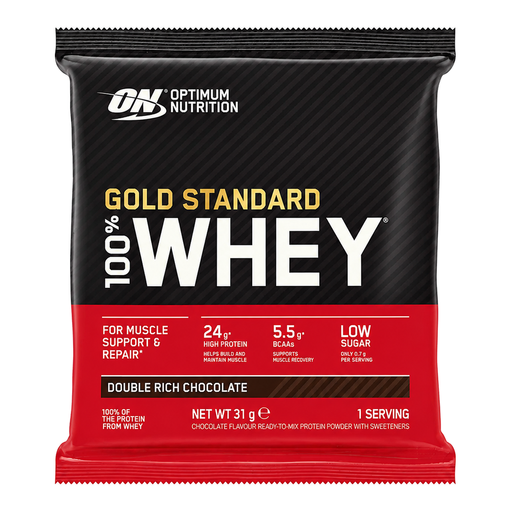
Why this fits the profile: A 30 g sachet is handy for trying out a flavour and formula first without committing to a large tub.
The serving size and nutritional values are clearly stated: approximately 24 g of protein per serving of around 31 g. This allows you to compare accurately.
Whey blend with whey isolate, whey concentrate and hydrolysed whey peptides; approximately 24 g of protein per serving.

Why this fits the profile: Ideal for athletes who regularly supplement with protein and prefer an isolate formula with a fixed number of servings.
The tub states 31 servings, 25 g of protein per serving and low levels of sugar, fat and carbohydrates. The composition is therefore easy to check.
930 g contents; 25 g of protein per serving; vanilla flavour; contains milk and soya.
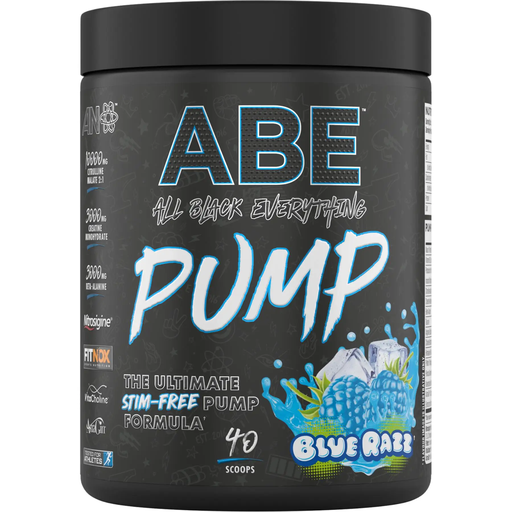
Why this fits the profile: Suits adults who train in the evening or want to avoid caffeine around their workout.
The formula is described as a caffeine-free pre-workout. The maximum dosage and creatine content per 25 g are stated separately.
Contains citrulline malate, beta-alanine, creatine monohydrate and taurine according to the product information; suitable for vegans and halal certified according to the product description.
We’ve put together a full, up-to-date list of products that fully meet these strict selection criteria and comply with current European safety regulations.
That depends on the weight and your daily dosage. A 930 g tub with 31 servings will last about a month if you take one serving a day. If you use two servings a day, it will run out more quickly. So calculate the cost per serving rather than just per tub.
The product information for various creatine products typically mentions a daily amount of around 3 g. Always follow the label and do not exceed the recommended dosage. If you have a medical condition or are taking medication, it’s wise to consult a doctor.
Generally speaking, these product types can be used alongside each other because they provide different nutrients. However, do check the total composition of your daily intake and follow the instructions on both labels. A supplement remains just that – a supplement to training, sleep and a varied diet.
