
Vandaag of morgen in huis

Kwaliteit gegarandeerd

Welkomstaanbiedingen ontgrendelen: GRATIS bezorging | Tot 80% korting | Gratis 30 dagen JoyPlus-proefperiode
Download de app
A child who cycles, skates, skateboards or scoots doesn't automatically benefit from the most expensive product. A helmet that's too loose, knee pads that slip down or a bottle that leaks will soon end up unused in the cupboard. When it comes to sports gear for children, the choice is therefore all about fit, materials, intended use and maintenance.
Age recommendations are a starting point, but they're no substitute for measuring. Especially with a children's bike helmet or skateboard helmet for children, head circumference matters more than age alone. The same goes for children's knee pads, children's elbow pads and wrist guards for children – the product needs to fit snugly without unnecessarily restricting movement.
Words like "impact-resistant", "leak-proof" or "safe" only mean something when you look at the underlying product details. So check the material, the closure, adjustability, included components and any stated certification. According to the product information from OutdoorMaster, for example, the protection sets feature a PP outer shell, PE foam and adjustable Velcro straps. The stated CPSC certification is a product specification from that description; always check the current information on the product page before purchasing.
Protective gear wears out from falls, moisture, heat and daily use. A helmet must be replaced after a significant impact, even if there's no visible damage on the outside. Guards should be checked before every use for tears, loose seams and worn-out fastenings. A bottle has different points to watch: sealing rings and lid components need to stay clean and use suitable replacement parts.
For a helmet, measure the head circumference around the widest part of the head, roughly above the eyebrows. Then adjust the dial and chin strap. According to the product information, the OutdoorMaster Skateboard Helmet Oryx Black XS is suitable for a head circumference of 46–51 cm and has two removable padding inserts for different fits.
For guards, the Velcro fastening should be tight enough to prevent slipping. Children's knee pads that are too loose won't protect the right area; ones that are too tight can become uncomfortable during longer rides. Always have your child move, bend down and stretch their arms before you settle on the size.
Pay attention to the combination of outer layer and cushioning material. According to the product description, the OutdoorMaster guards use a PP shell with a layer of PE foam. The set includes two knee pads, two elbow pads and two wrist guards. That makes one set suitable for cycling, skating, skateboarding, scooting and rollerblading.
For helmets, the stated materials include an ABS shell and EPS foam. Ventilation openings and removable padding can be practical for regular use, but they don't make up for the wrong size.
For a water bottle, capacity and closure are key. A child may be better off with a compact 350 ml BPA-free water bottle than a heavy 1-litre one. Also check whether the bottle is insulated. According to the product information, the ION8 stainless steel models in 400 and 600 ml are not insulated and are therefore not intended for boiling water or hot drinks.
A wide opening helps with refilling and cleaning. A lockable flip-top lid and silicone seal can help prevent leaks during school or sport, but check the closure after filling. Always follow the care instructions on the product page for dishwasher use.
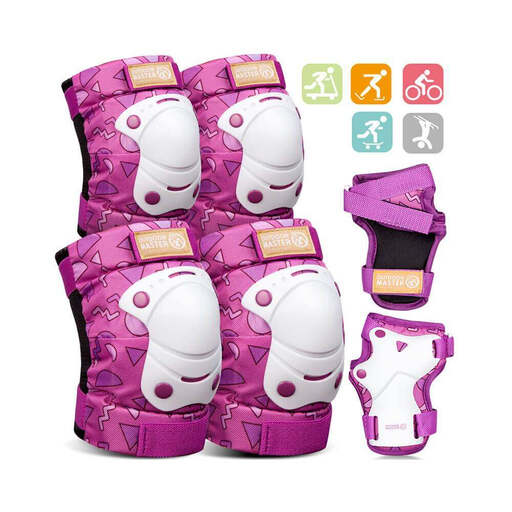
Why this fits the profile: This complete set is suitable for children and young people aged 3 to 15 according to the product information, combining three types of protection in one purchase.
The set includes knee pads, elbow pads and wrist guards, so you don't have to combine these items separately.
PP shell, PE foam, adjustable Velcro fastenings and an included mesh bag.
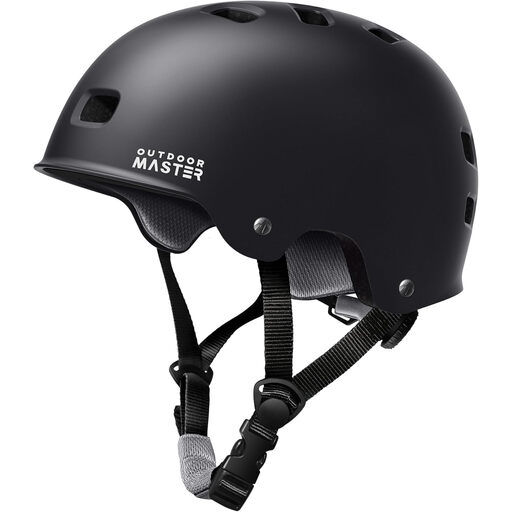
Why this fits the profile: For children aged 5 and over who do multiple activities, this helmet offers features for skating, cycling, BMX, scooting and skateboarding.
The size guide specifically states 46–51 cm. This means you can measure first rather than relying solely on age or appearance.
ABS shell, EPS core, ventilation openings and two removable padding inserts with an adjustment dial.
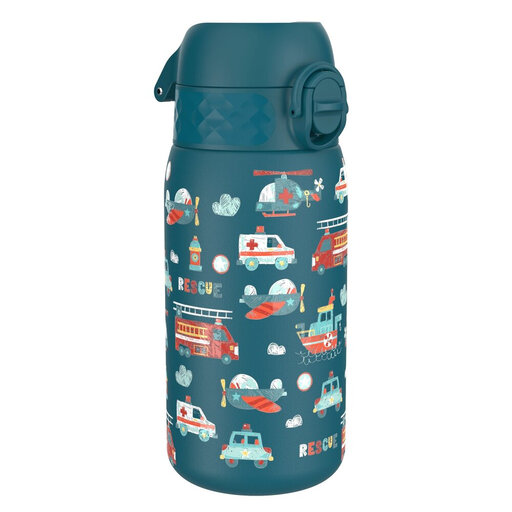
Why this fits the profile: The 400 ml capacity and slim shape are designed for school, sports training and outings where a child needs to carry the bottle themselves.
The capacity is clearly stated and the model is not insulated. So you won't expect any heat-retaining or cooling function that hasn't been described.
Stainless steel bottle, BPA-free lid components, lockable flip-top lid and dishwasher-safe parts according to the product information.
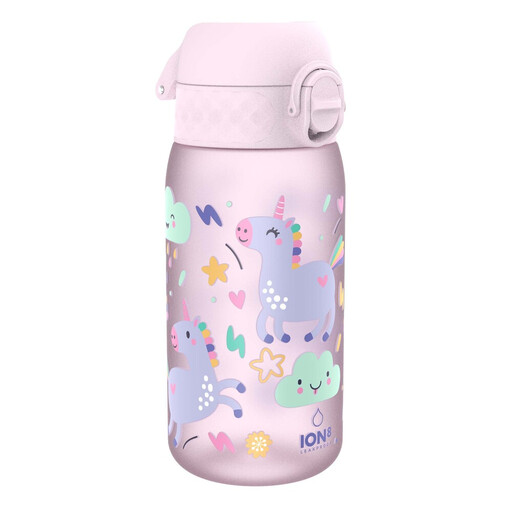
Why this fits the profile: The compact bottle is designed for small hands and everyday moments such as school, travel and outdoor play.
The product information mentions a triple seal, a safety lock and a wide opening for filling and cleaning.
350 ml capacity, BPA-free Recyclon material according to the product description, carry loop and dishwasher-safe design.
We've put together a full, up-to-date list of products that fully meet these strict selection criteria and current European safety regulations.
A properly fitting helmet is the foundation. For beginners or activities with a higher risk of falling, children's knee pads, children's elbow pads and wrist guards for children are also practical. Check the fastenings and fit before every activity.
That depends on use, falls and storage. There's no fixed lifespan that applies to every model. Regularly inspect the shell, foam, fabric and Velcro. Replace parts when they are cracked, torn or heavily worn.
For young children, a 350 ml reusable water bottle is often easier to carry. For older children, 400 to 600 ml may be more suitable. Pay particular attention to a lockable lid, easy cleaning, BPA-free materials according to the product information and a size that fits in the school bag.
