
Vandaag of morgen in huis

Kwaliteit gegarandeerd

Welkomstaanbiedingen ontgrendelen: GRATIS bezorging | Tot 80% korting | Gratis 30 dagen JoyPlus-proefperiode
Download de app
If you want to buy sports and energy drinks, you will soon come across dozens of options: 250 ml energy drinks, sugar-free energy drinks, electrolyte powder, protein drinks and vitamin drinks. The packaging often promises energy, focus, hydration or muscle support. However, an eye-catching can tells you little about the ingredients or the most suitable time to use it.
The right choice therefore starts with the label, not the flavour. Pay particular attention to sugar, caffeine, serving size, protein content and how you intend to use the drink.
A sweet drink with a sporty design may mainly contain carbohydrates, caffeine or flavourings. That does not make it an isotonic or hydration drink. When choosing an electrolyte drink, check the stated amounts of sodium, potassium and magnesium per serving.
Electrolyte powder can be practical when you want to decide how much water to use. A ready-to-drink bottle or shot is more convenient when you are out and about, but often contains a smaller serving.
A sugar-free energy drink can still contain a significant amount of caffeine. Always check the amount per 100 ml as well as per can. A 500 ml can may contain several servings, meaning the total caffeine content is higher than you might expect from the front of the pack.
Also pay attention to warnings for children, pregnant women and people who are sensitive to caffeine. Follow the information on the packaging and take coffee, tea and other caffeinated drinks consumed that day into account.
An energy drink multipack or sports nutrition in a larger pack can sometimes reduce the price per can, but may be impractical if you dislike the flavour or the drink does not suit your routine. Also check the best-before date, storage instructions and any deposit charges.
For a first purchase, a smaller pack, such as a 250 ml energy drink or a bundle with several flavours, is often a sensible way to limit waste.
Compare the nutritional values per 100 ml and per full pack. A standard energy drink often contains sugar. For example, the product information for Slammers Energy Refreshing Power Drink states 11.4 grams of sugar per 100 grams. Blue Bastard states 11 grams of sugar and 48 kcal per 250 ml.
Sugar-free options usually contain sweeteners such as sucralose, acesulfame-K, aspartame or steviol glycosides. This may suit a lower-calorie choice, but check the allergens and warnings. For example, Slammers Sugar-Free lists caffeine and aspartame, while Optimum Nutrition Protein Water uses steviol glycosides.
Always calculate the amount for the full can. According to the product information, Body & Fit Fit Energy Drink Orange contains 100 mg of caffeine per 250 ml can. The same information states 40 mg per 100 ml. Monster Energy Ultra White lists 0.03% caffeine and is sold in a pack of 12 x 500 ml cans.
The effects of caffeine can vary from person to person. Do not automatically use a caffeinated drink as a hydration drink during every workout. For many everyday situations, water may be sufficient.
For muscle-focused sports nutrition, the protein content is more relevant than a striking flavour name. According to the product information, the Optimum Nutrition Protein Water bundle contains 16 grams of whey protein isolate per 350 ml bottle, with 64 kcal, 0 grams of sugar and 0 grams of fat. The product contains milk, so it is not suitable for people with a milk allergy or those following a fully plant-based diet.
For electrolytes, Optimum Nutrition Electrolyte Supplement Powder lists, among other nutrients, 400 mg of sodium, 300 mg of potassium and 113 mg of magnesium per 8-gram serving. The recommended preparation is one serving mixed with 450 ml of cold water. Always check the recommended dosage for supplements and do not combine several products without careful consideration.
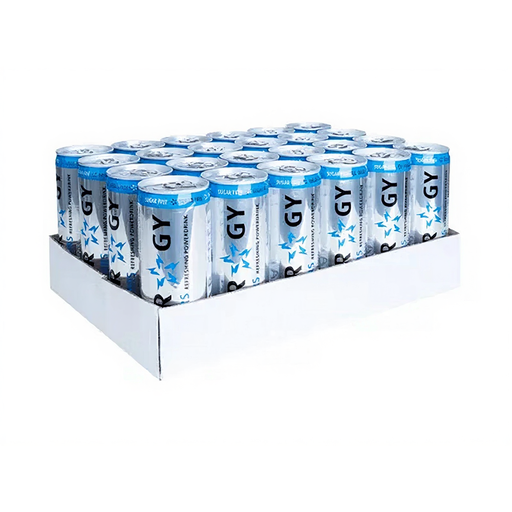
Why it suits this profile: The 250 ml serving is easy to keep track of, and the product information states 0 grams of sugar per 100 grams. This makes the multipack suitable for anyone looking for an affordable sugar-free option for studying, work or drinking on the go.
The sugar content is clearly stated in the nutritional information. However, check the caffeine, sweeteners and allergens before ordering.
24 x 250 ml cans; 0 grams of sugar according to the product information.
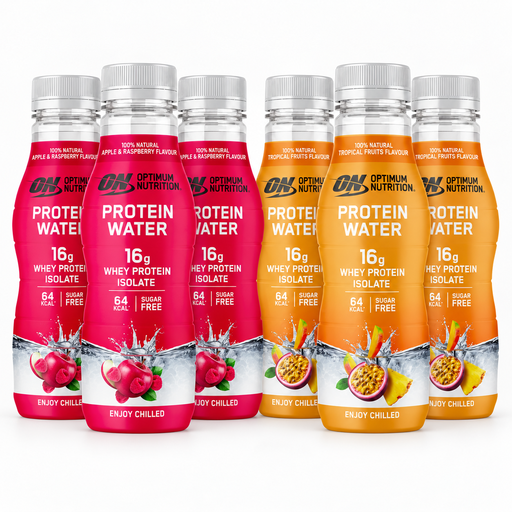
Why it suits this profile: This protein drink is suitable for anyone who wants protein after training without mixing a creamy shake. The bundle contains two fruit flavours and is ready to drink.
The protein content is stated per bottle: 16 grams in 350 ml. The drink does contain milk, so check this if you have allergies or intolerances.
16 grams of protein per bottle; 0 grams of sugar and fat according to the product information.
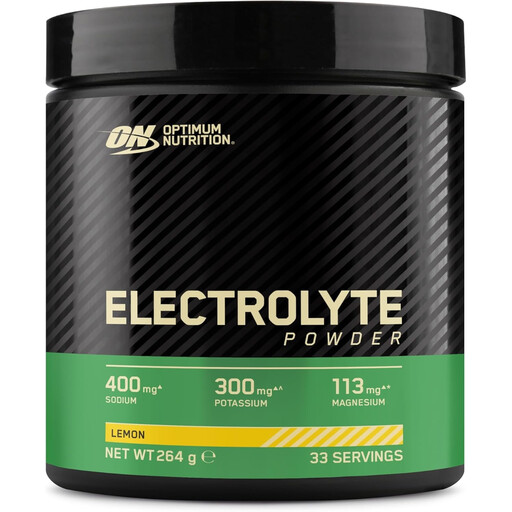
Why it suits this profile: For longer training sessions, endurance sports or regular use, powder is practical to measure. One pack contains 33 servings, each mixed with 450 ml of cold water.
The amounts of sodium, potassium and magnesium are stated per serving. This allows you to compare the product by its contents rather than simply by the word hydration.
33 servings; 400 mg of sodium, 300 mg of potassium and 113 mg of magnesium per serving according to the label.
We have put together a complete, up-to-date list of products that fully meet these strict selection criteria and the applicable European safety regulations.
That depends on the type and duration of the training, as well as your personal tolerance to caffeine and sugar. An energy drink often contains caffeine and sometimes a lot of sugar, but it is not automatically an electrolyte drink. For everyday hydration, water is a simple option. During intense or prolonged exercise, compare the minerals per serving and follow the usage instructions on the label.
Always follow the instructions on the packaging. Many products need to be refrigerated after opening and consumed within the stated period. For example, the Optimum Nutrition Protein Water bundle states that the bottle should be refrigerated after opening and consumed within 24 hours. Seal cans and bottles properly, and store unopened drinks in a cool place away from direct sunlight.
A multipack can reduce the price per serving, but compare the total price, including deposit and delivery charges. Also consider the volume per can. A box of 24 small cans may be financially attractive, while a 12-pack of 500 ml cans contains considerably more drink overall. Therefore, calculate the price per 100 ml or per serving before buying drinks online.
