
Vandaag of morgen in huis

Kwaliteit gegarandeerd

Welkomstaanbiedingen ontgrendelen: GRATIS bezorging | Tot 80% korting | Gratis 30 dagen JoyPlus-proefperiode
Download de app
Sports earbuds need to do more than just play music. When you’re running, you want them to stay in place; on a bike, being able to hear your surroundings is important; and during intense workouts, they have to cope with sweat and rain. Yet many product pages focus mainly on marketing terms, while important details are less prominently displayed.
Use this practical buying guide to compare sports earbuds for comfort, water resistance, battery life, Bluetooth and intended use. That way, you can avoid paying for features you don’t need or choosing a model that isn’t right for your sport.
An IP rating consists of numbers and letters. The first digit refers to protection against dust, while the second refers to water. IPX4, for example, means protection against splashing water, such as sweat or light rain. That’s different from being submerged.
So always check the exact IP code. According to the product information, the Sony LinkBuds Fit and Google Pixel Buds Pro Carbon have IPX4, respectively. These models are therefore designed to handle splashes, not swimming or showering. A product with a higher rating may offer more protection, but also check the usage instructions and never charge it while the connectors are still damp.
Noise-cancelling earbuds reduce surrounding noise. That can be useful at the gym or on a train, but when running or cycling it’s often important to hear traffic, other road users and warning signals.
Open-ear headphones or bone-conduction headphones leave the ear canal open. According to the product description of the Mojawa Aerra, its design is intended to help you remain aware of your surroundings. This is a product feature, not a guarantee of road safety. Always use your own judgement and follow the rules of the road.
Manufacturers sometimes state the total battery life including the charging case. That figure isn’t the same as the earbuds’ own playback time. Look at:
A model advertised as offering 28 hours in total, for example, may play for considerably less time per charge. For everyday use, earbuds with long battery life are convenient, but for a short workout, a lightweight model with fast charging may be more practical.
The fit determines whether your earbuds stay in place while you move. In-ear models usually use silicone tips in different sizes. An ear hook, neckband or open-ear design can provide extra stability.
Consider the shape of your ears and the sport you do:
A low weight helps, but it doesn’t tell you everything about comfort. Pressure on the ear, an overly tight hook or incorrectly sized ear tips can still cause discomfort.
Compare the IP rating with how you actually intend to use the earbuds. IPX4 is suitable for sweat and light rain. IPX5 provides protection against water jets according to the classification standard. According to the product specifications, the Soundcore AeroFit 2 has an IP55 rating, while the Soundcore AeroFit Pro is listed as IPX5.
You need to be particularly careful when it comes to swimming. Bluetooth doesn’t work reliably underwater. A model marketed for swimming may therefore have internal MP3 storage or a dedicated swimming mode. The Mojawa RunPlus is listed in the product information with IP68, 32 GB of storage and swimming functionality. Always check exactly what the manufacturer means by the swimming function before buying.
Bluetooth 5.3 or 5.4 can provide a modern, energy-efficient connection, but the version number alone doesn’t determine sound quality. Also check compatibility with your phone, multipoint support and the controls available.
For sports, buttons can sometimes be more reliable than touch controls when your hands are wet or sweaty. A built-in microphone is useful for calls, but wind and traffic can affect how clearly you’re heard.
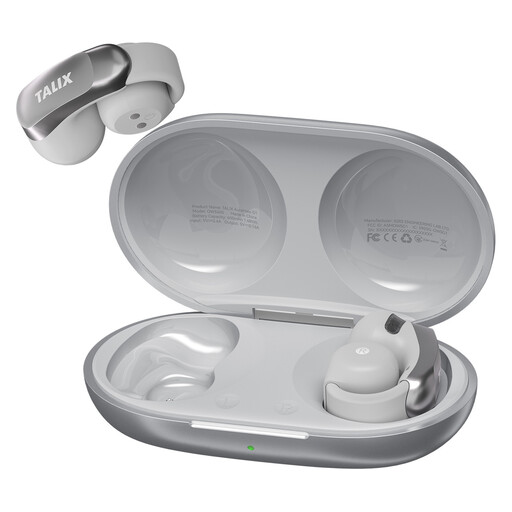
Why it suits this profile: This clip-on model combines a low weight of 5.2 grams per earbud with Bluetooth 5.3 and an ear hook. It’s suitable for fitness, commuting and light outdoor workouts.
The IPX4 rating makes it clear that these earbuds are splash-resistant, not designed for submersion. The stated battery life is broken down into 7 hours per charge and 28 hours with the case.
5.2 grams per earbud, four microphones, fast charging and a soft silicone ear hook.
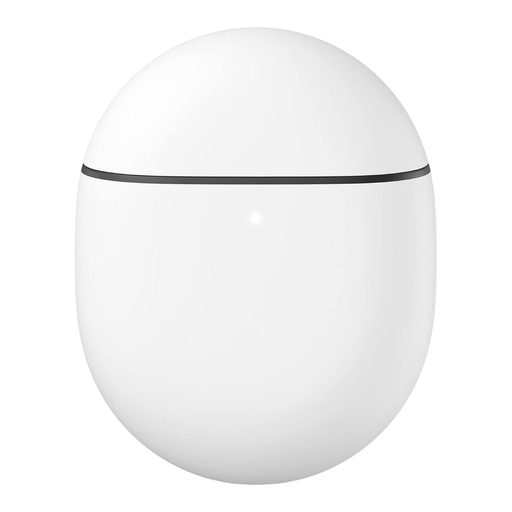
Why it suits this profile: This in-ear model is designed for everyday use and offers active noise cancellation, a transparency mode, multipoint and wireless charging.
The transparency mode offers an alternative to ANC when you want to hear your surroundings. The product specifications state IPX4, so these earbuds aren’t suitable for swimming.
11 mm speaker, five-band equaliser, multipoint and wireless charging.
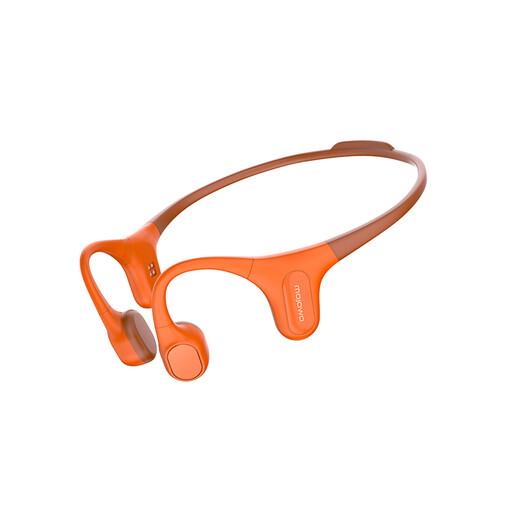
Why it suits this profile: According to the product information, this is an open-ear bone-conduction headphone with an IP68 rating, 32 GB of storage and support for running, cycling, fitness and swimming.
The stated internal storage can be useful where Bluetooth doesn’t work underwater. Rinse the model after contact with chlorinated or salt water, and dry it completely before charging.
Open-ear design, bone conduction, 32 GB of storage and a high IP rating according to the product listing.
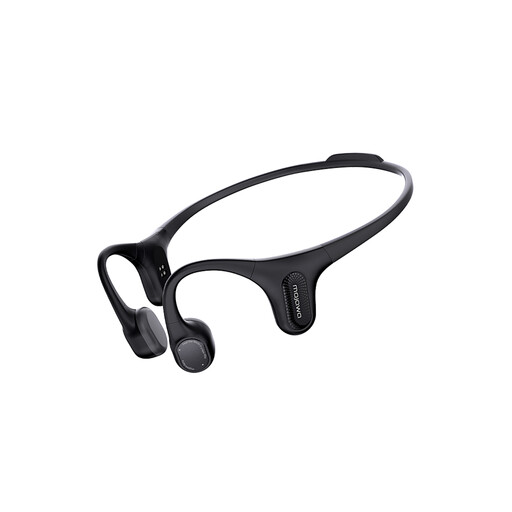
Why it suits this profile: According to the product description, the open-ear design and Bluetooth connection are intended for running, cycling and other outdoor workouts.
IP67 is more informative than a general claim such as “waterproof”. The rating covers protection against dust and water; check the manual for the precise limits.
Open-ear bone conduction, built-in microphone, Bluetooth and a secure fit for sports according to the product information.
We’ve put together a complete, up-to-date list of products that fully meet these strict selection criteria and the applicable European safety regulations.
Open-ear earbuds can be suitable when you want to remain aware of your surroundings. The listening experience is different from that of in-ear earbuds, as they provide less of a seal around the ear canal. Test the fit while moving gently before using them for longer distances.
Their lifespan depends on use, charging habits, sweat, moisture and the built-in battery. Store earbuds dry in their case, clean them according to the instructions and don’t charge them when they’re damp. A longer manufacturer’s warranty or the minimum two-year legal guarantee may be relevant when buying in the EU.
Standard Bluetooth connections work only to a limited extent underwater. For swimming, you need a model specifically designed for that purpose, such as one with internal storage or a swimming mode. In addition to checking the IP rating, always consult the product manual and only charge the device once it is completely dry.
