
Vandaag of morgen in huis

Kwaliteit gegarandeerd

Welkomstaanbiedingen ontgrendelen: GRATIS bezorging | Tot 80% korting | Gratis 30 dagen JoyPlus-proefperiode
Download de app
A sports cycling sunglass needs to do more than just look sporty. On a long ride, you’ll face bright sunlight, glare from the road, wind, dust and changing light conditions. A cycling sunglass that slips down, fogs up or is too dark in a wooded area can quickly spoil your comfort.
If you only look at lens colour or a low price, you’ll miss important details. Below, you’ll find which features you can check, which marketing claims need extra scrutiny, and which type of cycling sunglass suits different riding situations.
A grey or mirrored lens can reduce bright light, but the colour alone says nothing about UV protection. Look for UV400 protection in the product specifications and check that this information is clearly stated on the product. According to the product descriptions of the models below, UV400 protection is mentioned; always check the current specifications and conformity information when purchasing.
UV400 is not a substitute for safety glasses used with grinding machines, welding arcs or lasers. A sports sunglass is intended for recreational outdoor activities and not for situations with extreme impact risks.
A polarised cycling sunglass reduces, according to the product description, annoying reflections from, for example, wet roads, water and metal surfaces. That can be pleasant on sunny roads and dykes. However, the lens may be less suitable when you often ride through dark forests, tunnels or shady paths.
Also note the difference between polarised and photochromic technology. A polarised lens reduces glare, while a photochromic cycling sunglass adjusts its tint according to the amount of UV light. According to the product description of OutdoorMaster models, the tint ranges, for example, from category 0 to category 3. The actual transition speed and darkness can depend on conditions such as temperature and the windscreen of a car.
A lightweight cycling sunglass weighing around 25 to 33 grams can be comfortable on long rides, but weight is only one factor. Also check:
A wide lens can increase peripheral vision, but it won’t suit every face shape. A model that’s too loose can shift on bumpy paths, while one that’s too narrow can put pressure on your temples.
Many cycling sunglasses use polycarbonate or TAC lenses. Polycarbonate is lightweight and is often combined with impact-resistant properties in product information. TAC stands for Triacetate Cellulose and is used in polarised lenses. These materials do not make a sunglass unbreakable. Replace a lens when it is deeply scratched or damaged.
For mountain bikers, a large, integrated lens is practical because it offers a wide field of vision. If you mainly ride a road bike, you might also look for an aerodynamic shape and a stable fit at higher speeds.
The Visible Light Transmission, or VLT, indicates how much visible light a lens lets through. A low VLT generally means a darker lens for bright sunlight. In the product information provided, an OutdoorMaster Hawk HD variant has a VLT of around 12 to 18 per cent, while another version with a rose-red lens states a VLT of 48 per cent.
A low VLT can be suitable on sunny days. For cloudy weather or forest rides, a lighter lens, a photochromic cycling sunglass or a model with interchangeable lenses is more practical.
A TR90 cycling sunglass uses a flexible thermoplastic frame. Product descriptions often mention TR90 as lightweight, resilient and shape-retaining. Also look at ventilation openings, especially if you ride intensively or often in damp conditions. Ventilation can help reduce condensation, but it won’t prevent fogging in all conditions.
Rinse sand and dust off first with clean water. Don’t rub the lens with a dry shirt, as dirt can cause small scratches. Use a soft microfibre cloth and store the sunglass in a hard or sturdy case.

Why it fits the profile: This model combines a TR90 frame with polarised TAC lenses and, according to the product description, is intended for cycling, running and driving. That makes it suitable for recreational rides in bright weather.
The specifications mention UV400 protection, impact-resistant properties and a TR90 frame. Check at the time of purchase that this information is still on the product page.
Polarised TAC lenses, UV400 mention, aerodynamic shape and a supplied protective case.
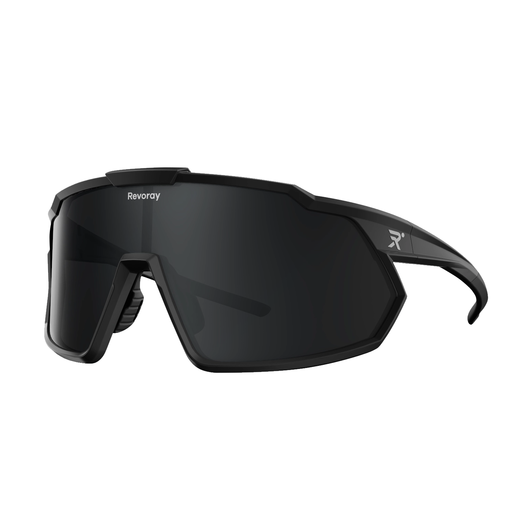
Why it fits the profile: The product information mentions TAC polarisation, a weight of around 33 grams, adjustable silicone nose pads and multiple lens coatings. That suits cyclists who value details for long-term use.
The stated VLT of around 15.2 per cent makes the lens choice more concrete than just a colour name. The adjustable fit helps reduce the problem of slipping.
TR90 frame, water- and oil-repellent coating, scratch-resistant coating and a stated ANSI Z87.1 performance standard according to the product information.
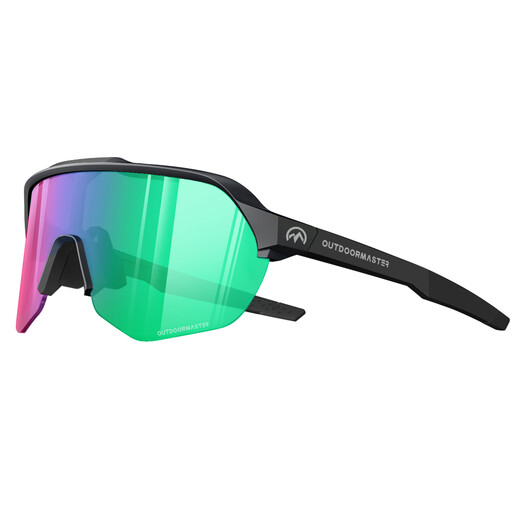
Why it fits the profile: Thanks to the supplied clear replacement lens, you can adapt the sunglass to cloudy or less bright conditions. That’s practical for mountain bikers and cyclists with varied routes.
You don’t need to buy a separate sunglass for every light situation. The product description mentions a replaceable clear lens and a VLT of 48 per cent for the standard lens.
Interchangeable lens, polarised HD lens, TR90 frame and supplied hard storage case.

Why it fits the profile: According to the product description, this model combines photochromic and polarised features. The sunglass is therefore aimed at cyclists who move between sun, shade and open road.
The tint is not based solely on a fixed lens colour, according to the product information. However, bear in mind that photochromic lenses may not darken as much behind a car windscreen.
Weight of around 26 to 29 grams, UV400 mention, adjustable nose pads and a supplied insert frame for prescription glasses.
We’ve put together a full, up-to-date list of products that fully meet these strict selection criteria and current European safety regulations.
Yes, a polarised cycling sunglass can be pleasant in bright sunlight and with reflections on wet roads or water. For dark forest roads and tunnels, a lighter or photochromic lens may be more practical. Therefore, check the VLT and don’t choose solely based on the colour of the lens.
The lifespan depends on care, storage and any damage. Scratches, loose arms or a damaged lens are reasons to replace the sunglass. Store the cycling sunglass in a case, rinse off dirt with water first, and don’t use alcohol or harsh cleaning products if the manufacturer advises against it.
Yes, you can with a special fit-over model or with a supplied insert frame. Check the dimensions of the frame and the space at the nose and temples. A standard cycling sunglass won’t automatically fit comfortably over prescription glasses.
