
Softly spoken reporter
If you're recording the commentary yourself, a microphone close to your voice can help you tailor the recording setup to your needs. Tascam and Zoom describe models with a lapel mic or an input for an external microphone.


When there's a lot of background noise, keeping a microphone close to the softly spoken reporter is a key consideration. A recorder with a lapel mic suits one stationary speaker. A handheld recorder gives you more freedom for interviews and atmosphere, but you'll need to position the microphone carefully. Check the recording with headphones beforehand and consider wind protection.
If you're recording the commentary yourself, a microphone close to your voice can help you tailor the recording setup to your needs. Tascam and Zoom describe models with a lapel mic or an input for an external microphone.
Wind and changing background noise are factors when recording outdoors. Shure and RØDE highlight wind as something to consider when recording audio outside, so think about microphone placement and suitable wind protection too.
If you want to record reactions and ambient sound as well as commentary, consider a handheld recorder with built-in microphones or an input for a different microphone. Tascam and Zoom describe these options for the models mentioned.
Choose this when: you mainly need to record one softly spoken presenter who can wear the microphone.
Bear in mind: switching between the presenter, interviews and ambient sound may be less flexible. Also consider how the mic attaches, clothing noise and wind.
Choose this when: you want to capture commentary, interviews and atmosphere in the same report.
Bear in mind: built-in microphones need to be positioned carefully. If you're using an external microphone, check the connection and any power requirements.
| Concern | What to look for | Who is it more important for? |
|---|---|---|
| Recording a quiet voice clearly | Check whether a lapel mic is included or can be connected, and make a test recording with the intended setup. | If I mainly want my quiet commentary to stand out above the background noise, having a microphone close to me is important. Around 36% of consumers prioritise making the presenter easy to hear. |
| Wind and background noise | Check whether a windscreen fits the microphone. A low-cut filter can reduce low-frequency rumble, but it doesn't replace physical wind protection. | When recording beside a windy pitch, I want to reduce wind noise without losing sight of the voice. Around 29% of consumers give outdoor recording and wind the highest priority. |
| Switching between voices and atmosphere | Check whether the model has built-in stereo microphones and a suitable input for an external microphone. | If my report needs to include reactions and stadium noise, I want to be able to capture different sound sources. Around 21% of consumers prioritise being able to switch between interviews and atmosphere. |
| Checking a recording quickly | Check whether the exact model has a headphone output and supports the file format and storage you need. | If I want to listen back to a recording straight away and work with it further, being able to check it easily matters a lot to me. Around 14% of consumers prioritise quick checking and processing. |
A recording format can't replace good microphone placement or prevent wind from affecting your recording.
First decide how the microphone will be positioned near the presenter, then check which recording features and wind protection suit your setup.
An input for a microphone doesn't automatically mean that every plug or power supply will work with the model you've chosen.
Check the connection and power requirements of both the recorder and the microphone you plan to use.
A microphone worn by the presenter and built-in microphones that can be freely positioned suit different recording needs.
Decide in advance whether your main priority is one voice or whether you also want to record interviews and atmosphere.
The DR-10L Pro is designed for one stationary speaker and comes with a lapel mic. The DR-05XP is a handheld recorder with built-in microphones and an external microphone input.
The H1essential is a handheld recorder with built-in stereo microphones and an input for, for example, a lapel mic.
The ICD-UX570 is a compact voice recorder for anyone who mainly wants to record and listen back to commentary.
The VoiceTracer DVT4110 combines voice-focused settings with an external microphone connection and recording monitoring.
These Joybuy products are options for recording and listening back to spoken audio. Before using one for a sports report, check that the microphone setup is suitable.
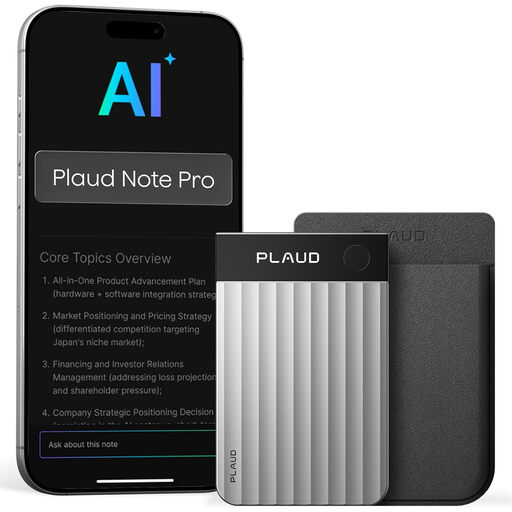 No image available
Could suit anyone who wants to record spoken audio and then have it transcribed or summarised. The product description also mentions interviews and content creation.
The title lists the colour as silver. Before recording at a sports event, check that your chosen microphone setup is suitable for the distance from the speaker and the outdoor conditions.
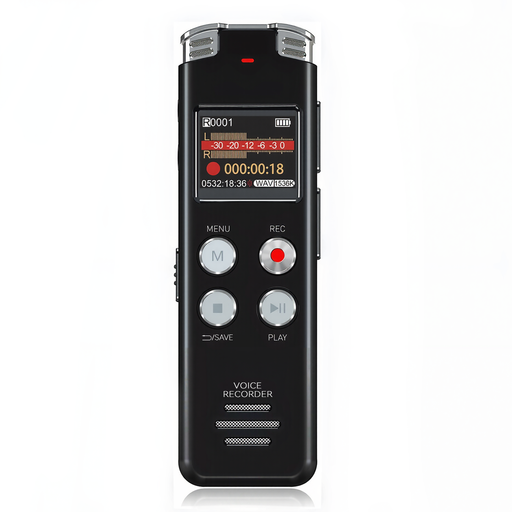 No image available
Could suit anyone looking for a portable recorder for spoken audio and interviews. Check the recording on the spot before relying on it.
The product description lists USB-C, voice-activated recording, WAV and MP3 recordings, and A-B repeat.
32-bit float recording doesn't replace a microphone positioned appropriately for the speaker. Tascam and Zoom list this feature for the models mentioned. Make a test recording at the sports venue and listen to check that the voice can still be heard above the crowd and wind.
Check that a suitable windscreen fits the microphone you're using, then make a short test recording on location. Wind can cause low-frequency rumble. A low-cut filter may help, but it's not the same as physical wind protection.
If you bought the recorder as a consumer in the Netherlands, contact the seller to resolve the fault. The Dutch government distinguishes between your statutory rights with the seller and any additional manufacturer's or extended warranty.
Don't assume you can publish them without further consideration. According to the Dutch Data Protection Authority, personal data may only be processed if there's a valid reason to do so. The rules and agreements that apply depend on the publication and the circumstances at the sports venue.