
Vandaag of morgen in huis

Kwaliteit gegarandeerd

Welkomstaanbiedingen ontgrendelen: GRATIS bezorging | Tot 80% korting | Gratis 30 dagen JoyPlus-proefperiode
Download de app
Choosing a new ball seems simple, until you need to consider its size, material, playing surface and accessories. If you focus only on the colour or a low price, you could end up with a ball that is too large for a child, quickly becomes misshapen on asphalt or arrives without a pump.
When buying sports balls, these are the main pitfalls to watch out for:
The right size affects handling and the feel of the game. Use this practical guide:
| Sports ball | Common size | Suitable for | |---|---:|---| | Size 7 basketball | approximately 75 cm circumference | older youths and adults | | Size 5 basketball | approximately 70 cm circumference | youth players, often around 9–12 years old | | Size 4 basketball | approximately 65 cm circumference | younger children, often around 5–8 years old | | Size 5 football | approximately 68–71 cm circumference | older youths and adults | | Size 4 football | approximately 63.5–66 cm circumference | youth players, often around 8–12 years old | | Size 3 football | approximately 58.5–61 cm circumference | young children |
Age recommendations are indicative. For a club or school, the size specified by the competition, coach or governing body takes priority.
A rubber basketball is practical for playgrounds, driveways and outdoor courts. A rubber surface is generally easy to wipe clean and, according to the product description of some models, can also be used in damp conditions. However, always check whether the ball is suitable for your playing surface; playing for long periods on rough concrete or asphalt can accelerate wear.
For a waterproof football, a seamless foam-rubber composite is an interesting option. According to Longsail’s product description, the outer layer does not absorb water, keeping the ball usable in wet weather. Treat this as a product specification rather than a promise that the ball will feel the same in every condition. A TPU football with machine-stitched panels, such as the adidas Tiro Club, may instead be suitable for training and recreational play on grass or artificial grass.
For table tennis balls and pickleballs, shape retention, diameter and material are more important than a soft grip. For clubs and schools, a bulk pack of 120 table tennis balls may be more efficient than buying individual packs.
A ball supplied deflated needs a pump before first use. For a size 5 football, use the recommended pressure stated on the ball or in the instructions; the supplied product information gives approximately 8.7–11.6 psi for some models. The stated guideline is lower for a size 4 football.
Store balls:
A fitness ball or yoga ball requires extra care. Check the diameter, maximum load and playing surface. A 65 cm fitness ball is not automatically suitable for every height or desk height. Do not overinflate it and do not use it if the PVC is damaged.
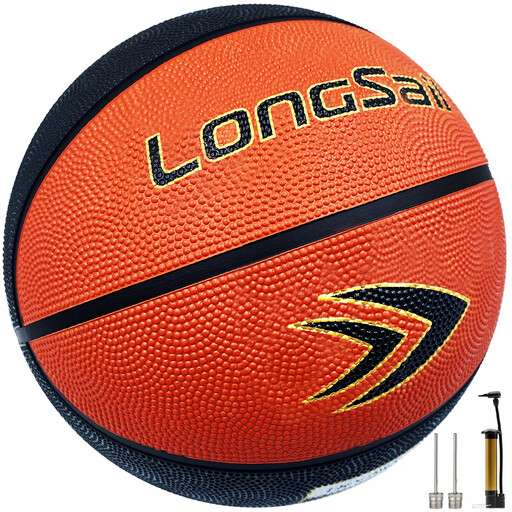
Why it suits this profile: This size 4 basketball is aimed at younger players and, according to the product information, comes with a hand pump, two needles and a storage bag.
The size is clearly stated and the set includes accessories, so you do not need to buy a separate pump straight away.
Rubber outer layer, butyl bladder and, according to the product description, suitability for indoor and outdoor use.
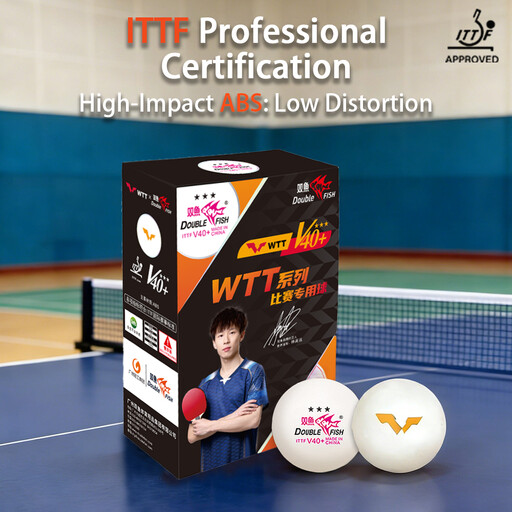
Why it suits this profile: Suitable for players who consider certifications and consistent product specifications important when choosing table tennis balls.
The product information states that it has ITTF and WTT certification. Always check when buying that this information matches your intended use.
ABS material, pack of 6 balls and V40+ format according to the product description.
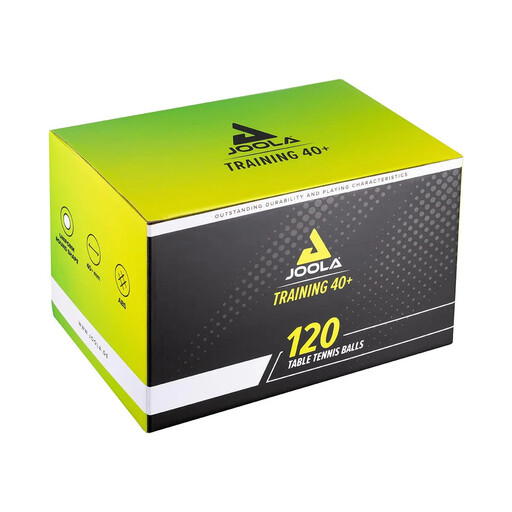
Why it suits this profile: A bulk pack is ideal for schools, clubs, coaches and players who need a large number of training balls.
The quantity is clear from the outset: 120 white balls. This prevents an intensive training session from being interrupted by a pack that is too small.
ABS construction, traditional seam and a diameter of 40.0–40.6 mm according to the product information.
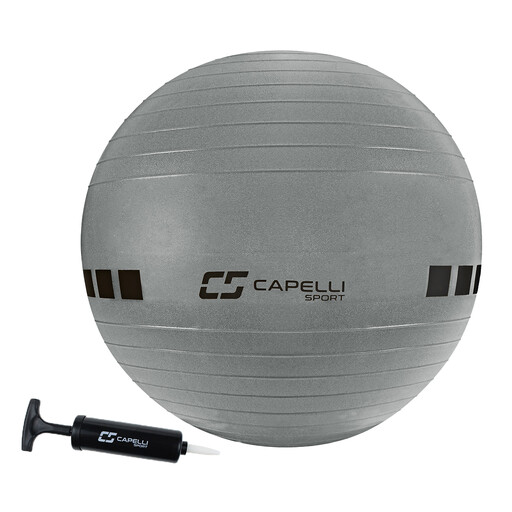
Why it suits this profile: For anyone looking for one ball to use for yoga, Pilates, balance and core training at home.
The diameter, maximum load and maintenance instructions are stated. Use the ball on a clean, non-slip surface and check it regularly.
PVC material, anti-slip and anti-burst properties according to the product description, plus a foot pump.
We have put together a complete, up-to-date list of products that fully meet these strict selection criteria and the applicable European safety regulations.
For adults and older youths, a size 5 football is usually the standard choice. Children aged approximately 8 to 12 often use a size 4 football. A size 3 may be easier for younger children to handle. For organised training, always check the club’s guidelines.
A rubber basketball is practical for outdoor use and easy to clean. A PU or microfibre leather ball may offer a different feel and grip, but the product description should confirm that it is suitable for your chosen surface. Do not look only at the material; also check the stated application: indoor, outdoor or both.
Its lifespan depends on how often it is used, the playing surface, air pressure and storage conditions. A ball used on asphalt will generally wear differently from one used in a sports hall. Check the ball before every use for cracks, deformation and a damaged valve. For fitness balls, you must also follow the manufacturer’s maximum load and safety warnings.
