
Vandaag of morgen in huis

Kwaliteit gegarandeerd

Welkomstaanbiedingen ontgrendelen: GRATIS bezorging | Tot 80% korting | Gratis 30 dagen JoyPlus-proefperiode
Download de app
Buying sports balls seems straightforward until you discover how much size, material and playing surface affect your enjoyment. A ball that wears out quickly on concrete feels very different from one designed for a sports hall. Choosing the wrong size can also make learning to pass, dribble or shoot unnecessarily difficult.
So don’t just focus on colour or a well-known brand name. Above all, check the technical information and make sure the ball is suitable for the player, the playing area and how you plan to use it.
A size 7 basketball is designed for adult players and official men’s competitions. For children and teenagers, a size 5 or size 4 basketball is often more suitable. A ball that is too large and heavy can make ball control more difficult for beginners.
The same applies to footballs. A size 5 football is standard for adults and players from around the age of 12. A size 4 football is generally intended for junior players aged around 8 to 12. Always check the specific age and match rules with your club or school.
An indoor basketball often has a softer outer layer, such as PU or composite leather. This material can feel comfortable on a wooden sports floor, but it is not always the most practical choice for rough tarmac.
Rubber is often more suitable for an outdoor basketball. A rubber basketball generally has a texture designed to provide grip and durability on concrete or paving. If you plan to use one ball both indoors and outdoors, check whether the product description specifically mentions both applications.
Terms such as ‘all-weather’, ‘extra rebound’ or ‘puncture-resistant’ do not mean much on their own. Look for verifiable details: the size, circumference, material, type of bladder, included pump and care instructions.
According to information provided by some brands, specific seals or rubber compounds may help the ball retain air pressure for longer. This is a brand claim, not a guarantee for every playing condition. Air pressure is also affected by the starting temperature, valve, storage conditions and frequency of use.
Use the following guidelines as a starting point:
For children’s balls, ease of handling is generally more important than meeting match specifications. Also check whether the packaging contains small accessories, such as a needle, and keep these out of the reach of young children.
According to the product description, a PU or microfibre leather basketball offers a soft touch and good grip. This makes it suitable for indoor basketball and mixed use, provided the surface is not extremely rough. A rubber basketball is a practical choice outdoors, for example in a park, on a driveway or in a school playground.
For footballs, TPU, foam rubber and the construction all help determine how the ball feels. The product information for certain Longsail models describes a seamless foam-rubber outer layer as water-resistant. However, always check whether the ball is intended for grass, artificial turf, street use or recreational play. A match ball and a training ball do not automatically have the same properties.
Indoor and outdoor pickleballs also differ. Indoor models are designed for smooth floors and have different flight characteristics from outdoor models. For playing outdoors in a park or on a court, sets containing several balls are practical, as you can replace a ball more quickly during a game.
Many sports balls are supplied deflated. So check whether a pump and needles are included. According to the product description, the Longsail rubber basketballs in the selection come with a hand pump, two needles and a carry bag. The pump is not included with the adidas Tiro Club football.
Do not inflate a ball to the maximum pressure by feel. Follow the recommended pressure shown on the ball or in the instructions. Clean the surface with a slightly damp cloth and store the ball somewhere dry, away from direct sunlight and sharp objects. This helps prevent unnecessary wear and lets you keep using the same ball for longer. It is a practical way to look for more durable sports balls without making unsubstantiated environmental claims.
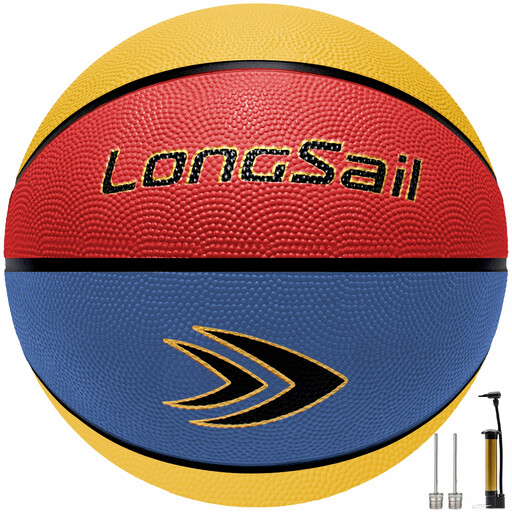
Why it suits this profile: A size 5 is easy for junior players and beginners to handle. The rubber outer layer is suitable for recreational use indoors and outdoors.
The size and circumference are clearly specified. According to the product information, the ball comes with a pump, two needles and a carry bag.
Rubber surface, size 5, included accessories and suitability for different playing areas according to the product description.
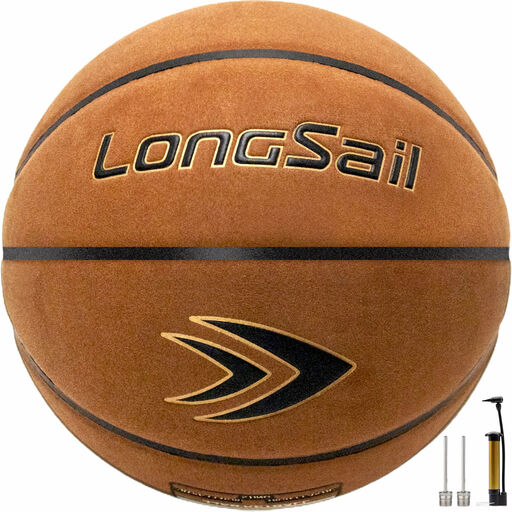
Why it suits this profile: For adults and players who place a high value on feel and control, a size 7 composite leather ball may be an appealing choice for indoor basketball and mixed use.
The product information explicitly mentions the outer layer, deep channels and available sizes. This allows you to compare the material and size in advance.
PU or microfibre leather outer layer, size 7 measuring approximately 75 cm and a rubber bladder construction according to the product description.
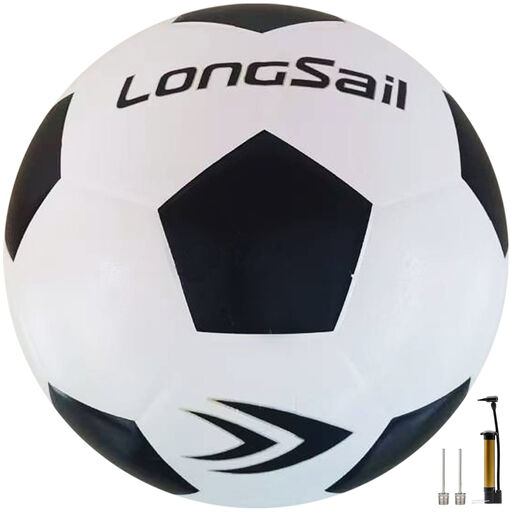
Why it suits this profile: This size 5 football is aimed at adults and older juniors training on grass, artificial turf or other surfaces.
The size, recommended pressure and specified playing surfaces are clearly stated. According to the product information, the ball comes with a pump, needle and mesh bag.
Seamless foam-rubber shell, size 5, water-resistant properties according to the product description and included accessories.
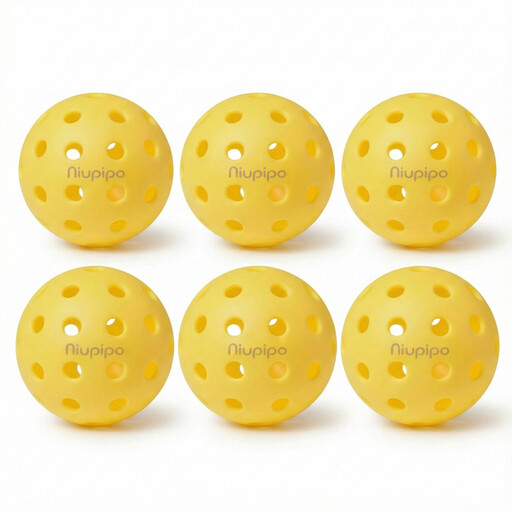
Why it suits this profile: A set of six pickleballs is handy for families, groups of friends and recreational players who want to practise outdoors.
The set is clearly described as an outdoor version and specifies the diameter, weight and number of balls. This helps prevent confusion with indoor pickleballs.
Six 74 mm TPE balls, intended for outdoor use and supplied in portable packaging according to the product information.
We’ve put together a complete, up-to-date list of products that fully meet these strict selection criteria and the applicable European safety regulations.
In practice, making a durable choice often means buying the right ball for the right surface, keeping it correctly inflated and replacing it promptly when the outer layer or valve is damaged.
That depends on the sport and the child’s age. For basketball, sizes 3, 4 and 5 are common options for younger players. For football, size 3 is suitable for young children, while size 4 is often intended for juniors aged around 8 to 12. Always check your club’s specific guidelines.
It can be, but check the product description and the floor. Rubber is mainly practical for outdoor use. On a wooden sports floor, an indoor basketball with a PU or composite leather outer layer may feel more comfortable and leave fewer marks.
This varies depending on the ball, valve, temperature and intensity of use. Check the pressure regularly and follow the value shown on the ball or packaging. A ball that gradually loses air may have a leaking valve; inflating it further will not always solve the problem.
