
Vandaag of morgen in huis

Kwaliteit gegarandeerd

Welkomstaanbiedingen ontgrendelen: GRATIS bezorging | Tot 80% korting | Gratis 30 dagen JoyPlus-proefperiode
Download de app
Choosing a bag for sport, commuting or cycling may seem straightforward. Yet many purchases disappoint. A bag can look spacious in the product photo, while the opening is actually small. Terms such as water-repellent and waterproof are also regularly confused. And without good organisation, shoes, clothing, keys and chargers soon end up mixed together.
As a Joybuy Product Recommendation Officer, I focus mainly on verifiable specifications: size, material, carrying options, compartments and attachment. This allows you to compare sports bags based on how you intend to use them, rather than simply on colour or marketing copy.
A capacity of 30 to 35 litres sounds spacious, but that does not automatically make a bag easy to use. A large main compartment without separate sections makes wet towels or sports shoes less convenient to carry. So check whether it has a shoe compartment, wet compartment or accessories pocket.
For a gym bag, separate compartments are usually more useful than simply having extra litres of capacity. For a weekend trip or as a spare overnight bag, a larger main compartment may be more important.
A water-repellent bag can help keep out light rain or splashes, but it is not automatically suitable for prolonged rain or immersion. According to the product description of the ROCKBROS frame bag, it is water-repellent and designed to protect against splashes and light rain. The same information states that the bag is not fully waterproof.
Look out for terms such as PU coating, water-repellent and water-resistant. Also check the seams, zips and closure. For important electronics, an additional waterproof pouch may be a sensible choice.
A sports duffel with handles only is less practical if you cycle or use public transport. A detachable shoulder strap gives you more flexibility. With a top-tube bag or bicycle frame bag, the frame geometry is particularly important. A bag that fits a road bike will not necessarily sit properly on a mountain bike or e-bike.
Check the available space, the length of the attachment straps and the distance from your knees while pedalling.
Choose the size based on what you actually carry:
Do not just look at the capacity; consider the dimensions too. A bag measuring 48 to 52 cm in length may be spacious, but it will take up more room in a full locker or bicycle pannier.
Many sports bags are made from polyester or nylon. 600D polyester refers to a relatively durable weave suitable for regular everyday use. Ripstop nylon is recognisable by its grid structure, which is designed to help prevent tears from spreading. These material descriptions provide useful information, but they do not guarantee that a bag will remain undamaged in every situation.
A PU coating on the inside can improve resistance to moisture. Follow the manufacturer’s care instructions: for example, the Capelli Sport bag specifies cleaning by hand with a damp cloth and air drying. Machine washing, bleach and tumble drying can damage the coating or alter the bag’s shape.
These details are practical for everyday use:
A bum bag or crossbody bag is suitable for light luggage. If you want to carry a tablet, umbrella and power bank, choose a model with several compartments and an adjustable strap.
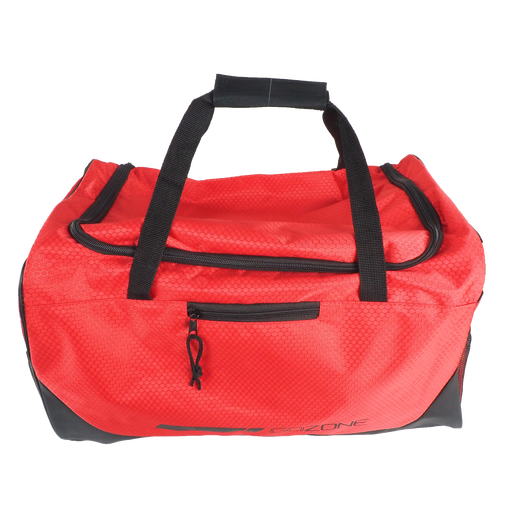
Why it suits this profile: This gym bag offers practical organisation for fitness, sports training and short trips. Its capacity of around 30–35 litres suits users who want to carry clothing, shoes and everyday accessories in one bag.
According to the product information, this bag has a ventilated side compartment for shoes or wet items, a zipped front pocket and mesh side pockets in addition to the main compartment.
600D polyester or ripstop nylon, PU coating on the inside, detachable shoulder strap and reinforced base.
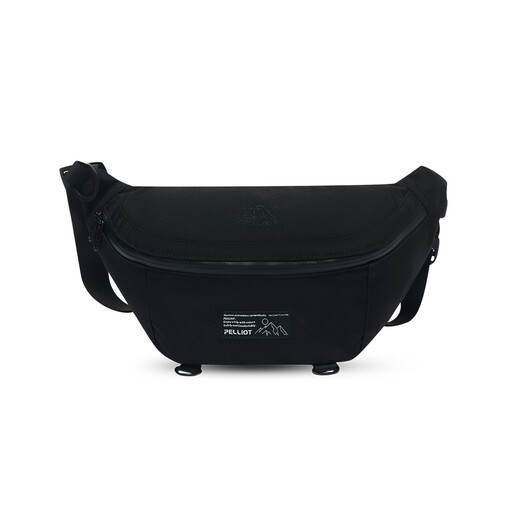
Why it suits this profile: A compact option for commuting, travel and everyday activities when you want to keep your hands free. The bag can be worn as a bum bag, crossbody bag, chest bag or handbag.
The adjustable strap and multiple pockets mean you do not need a large sports duffel for small items. According to the product description, the water-repellent fabric provides protection in light rain, but not during prolonged rainfall.
Approx. 25 × 21 × 9 cm, YKK zips, adjustable strap measuring approximately 70–120 cm and several carrying options.
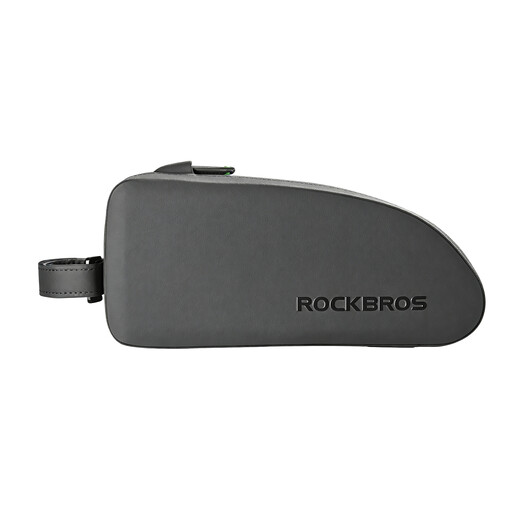
Why it suits this profile: This bicycle frame bag is designed for cyclists who want small essentials close at hand during commutes, road cycling, mountain biking or e-bike journeys.
The slim profile is designed to minimise interference while pedalling. The bag attaches with adjustable hook-and-loop straps, but check the dimensions and available space on your frame beforehand.
Approx. 21.5 × 8.5 × 5.5 cm, 600D polyester, built-in PP support panels, tool-free fitting and splash protection.
We have put together a complete, up-to-date list of products that fully meet these strict selection criteria and the applicable European safety regulations.
For the gym, a gym bag with a ventilated shoe compartment is usually practical. If you only carry your phone, keys and power bank, a lightweight bag such as a bum bag or crossbody bag will be enough. Cyclists will benefit more from a compact road-bike or MTB bag with secure attachment than from a large shoulder bag.
For commuting, the way you carry the bag is at least as important as the material. A detachable shoulder strap is useful when moving the bag between your bicycle, train and office. For electronics, also check whether the inside is padded; a water-repellent outer surface alone says nothing about shock protection.
Avoid overpacking. Excessive weight puts strain on zips, seams and attachment points. Close the bag fully and store it somewhere dry when you are not going to use it for an extended period.
A bag of around 30–35 litres is suitable if you carry sports clothing, shoes, a towel and a water bottle. A separate ventilated compartment helps keep shoes or damp items away from the rest of your belongings.
No. Water-repellent material is designed to protect against things such as splashes and light rain. During prolonged rain, zips, seams and openings may still let moisture through. For valuable electronics, consider using a separate protective pouch.
Its lifespan depends on use, load and maintenance. Look for strong seams, a reinforced base and zips that close smoothly. A bag that is regularly overfilled will wear out more quickly. Clean it according to the manufacturer’s instructions and allow it to dry completely before storing it.
