
Vandaag of morgen in huis

Kwaliteit gegarandeerd

Welkomstaanbiedingen ontgrendelen: GRATIS bezorging | Tot 80% korting | Gratis 30 dagen JoyPlus-proefperiode
Download de app
A sports bag looks easy to choose, until you need to store shoes, wet clothes, rackets or camping equipment separately. Many models look spacious in photos, but disappoint in practice because of a narrow opening, insufficient carrying comfort or material that can only cope with a few splashes.
So don’t just focus on colour and price. The right bag depends on what you take with you, how often you use it and how you carry it.
A high litre capacity does not tell you everything. A 50-litre bag may be less flexible because of sturdy divider compartments than a simple duffel bag with one large main compartment. So check:
Special compartments are useful in a padel bag, but an open main compartment may be more practical for a weekend trip.
Terms such as water-repellent, water-resistant and waterproof are not always used consistently. A water-repellent sports bag may offer protection against light rain or splashing water, but it is not automatically suitable for being left in a puddle for a long time.
Pay attention to the product description and check whether it mentions a fastening system, coating or sealed seams. For valuable electronics, a separate dry bag or waterproof inner pouch is a sensible choice.
A bag with short handles only may be perfectly suitable as a lightweight gym bag. Once you add rackets, shoes and clothing, a sports bag with shoulder strap or backpack-style model may be more comfortable. Check whether the strap is adjustable and padded, and whether the base provides sufficient support.
An overfilled bag also puts extra strain on zips and seams. According to the product information, the manufacturer of the Capelli Sport LITE GYM BAG advises against filling the bag beyond the point at which the zip can close comfortably.
Choose the capacity based on your activity:
A sports bag with shoe compartment prevents dirty or damp shoes from coming into direct contact with clean clothing. A ventilated compartment can help air circulate around shoes or wet items, but it does not replace thorough drying after use.
Polyester and nylon are widely used for sports and travel bags. As well as the material, look for:
A bag that may only be cleaned with a damp cloth is not designed for prolonged immersion. Allow wet bags to air fully before storing them to help prevent musty smells and moisture build-up.
For cycling or walking, a sports backpack is often more stable than a bag carried on one shoulder. For the gym, handles and a detachable shoulder strap are usually sufficient. A foldable travel bag is practical as spare luggage because it takes up very little space when not in use.
If you carry heavy items, you may prefer a wheeled camping bag. Wheels are particularly useful on flat surfaces. On stairs, sand or steep paths, you will usually need to carry the bag.
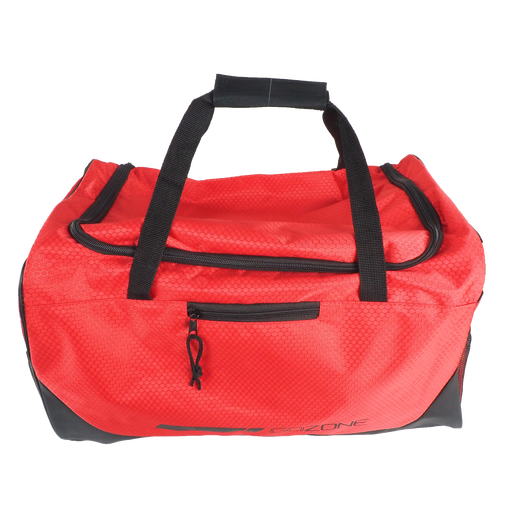
Why it suits this profile: With a capacity of approximately 30 to 35 litres, this bag is suitable for the gym, swimming lessons, training sessions and a short overnight stay. It has handles and a detachable shoulder strap.
The separate ventilated side compartments are designed for shoes or wet items. The stated dimensions and capacity make it easier to judge how much usable space is available.
Approximately 30–35 litres, separate shoe compartment, zipped front pocket and two carrying options.
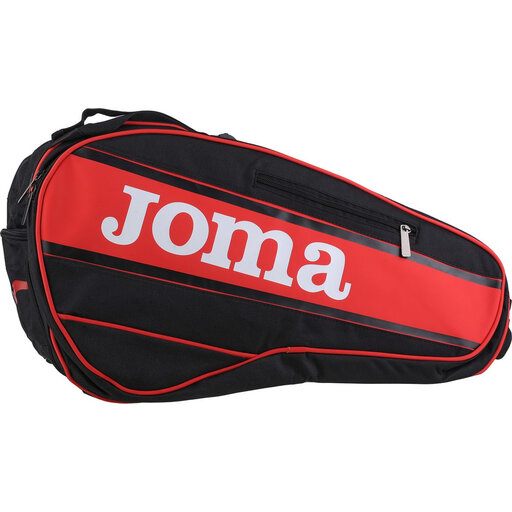
Why it suits this profile: This padel bag is designed for players who carry several rackets and a full set of sportswear. It has a capacity of 50 litres and can be carried as a handbag or backpack.
The thermally insulated side pocket holds 3–4 rackets, while the ventilated shoe compartment keeps shoes separate from other belongings. The description also mentions reinforced zips and a reinforced base.
50-litre capacity, 100% polyester, water-repellent finish, adjustable padded shoulder straps and a minimum two-year statutory guarantee according to the product information.
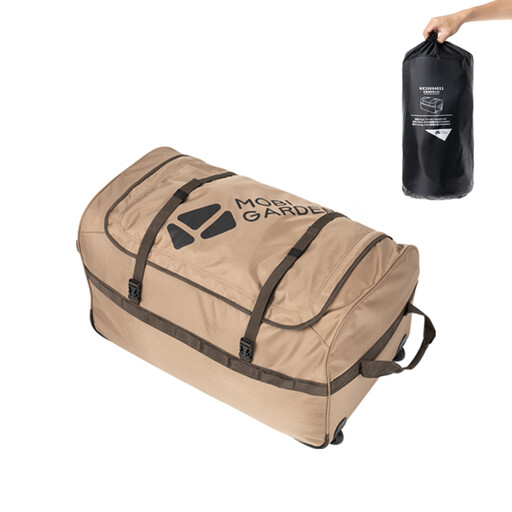
Why it suits this profile: For campers, anglers and travellers carrying large amounts of equipment, this bag offers a capacity of 110 litres and built-in wheels for flat surfaces.
The stated dimensions of 70 × 40 × 40 cm and weight of approximately 1.75 kg make it clear that this is a large transport bag, not a compact gym bag. You will need to carry it on stairs and steep slopes.
110-litre capacity, folds down to approximately 42 × 21 cm and comes with wheels. Sand and mud should be removed promptly, according to the care instructions.
We have put together a complete, up-to-date list of products that fully meet these strict selection criteria and the applicable European safety regulations.
For running, cycling and walking, the PELLIOT Waist Pack is a compact option. According to the product description, this waist bag has an elasticated strap, several zipped compartments and reflective strips. However, check the size chart first: the available sizes range from a waist circumference of 66 to 118 cm.
For a standard training session, 20 to 35 litres is often practical. If you take rackets, extra clothing and shoes, look for around 40 to 50 litres. For camping or large amounts of travel equipment, a model of 100 litres or more is more suitable.
Always follow the manufacturer’s care instructions. Many polyester and nylon models can be wiped clean with a damp cloth and mild cleaning solution. Machine washing, bleach and tumble drying can damage coatings, seams and the bag’s shape.
Its lifespan depends on the load, care and storage conditions. Overfilling puts extra strain on zips and seams. A sturdy base, reinforced stitching and careful drying can help keep the bag usable for longer. Also check the statutory guarantee and any additional terms before ordering.
