
Vandaag of morgen in huis

Kwaliteit gegarandeerd

Welkomstaanbiedingen ontgrendelen: GRATIS bezorging | Tot 80% korting | Gratis 30 dagen JoyPlus-proefperiode
Download de app
A sports bag needs to do more than look sporty. You want to carry your clothes, shoes, towel and accessories without the bag becoming awkward to use after just a few weeks. A compact gym bag is often enough for a fitness session, while a swim bag has different requirements from an outdoor rucksack.
Most disappointing purchases come down to three common pitfalls:
So don’t just look at the colour and price. Above all, check the dimensions, compartment layout, fastening and how you intend to use the bag every day.
First, think about what you usually take with you. A small drawstring bag is suitable for a towel, top, shoes and a few accessories. For clothes plus shower essentials, a capacity of around 30 litres is more practical. If you carry camping equipment or lots of outdoor gear, you will need a considerably larger spacious sports bag.
Pay attention to the difference between the external dimensions and the actual storage space. A wide opening makes packing easier. Also check whether the stated dimensions include the handles, wheels or side pockets.
A sports bag with a zipped pocket helps you keep your keys, cards and phone separate. A shoe compartment or ventilated compartment is useful when you want to store your trainers separately. For a swim bag, a water-resistant lining or separate compartment can be useful, but always check exactly what is stated in the product description.
A drawstring fastening is lightweight and quick to open. A zip generally encloses the contents more securely, but can come under strain if the bag is overfilled. So don’t pack a bag beyond what its fastening and seams can handle.
A gym bag with two handles is handy for short distances. An adjustable shoulder strap offers greater flexibility on the way to the gym. For cycling, walking or travelling, a sporty rucksack is often the more logical choice, especially if it has adjustable shoulder straps and a chest or hip strap.
Look at the material, seams and base. Polyester, mesh and nylon are commonly used for sports bags. On their own, these materials do not tell you enough about durability: a reinforced base, double stitching and sturdy zips are just as important. If a product description says “water-resistant”, don’t automatically assume that it is completely waterproof. Also check the care instructions.
A fitness bag of around 30 to 35 litres usually provides enough room for clothes, a towel, toiletries and shoes. A side pocket for a water bottle and a separate accessory pocket help prevent small items from disappearing to the bottom.
A lightweight drawstring model works well as a swim bag or training bag when you are taking only a few things with you. Mesh can be useful for ventilation, but does not offer the same protection as a tightly woven fabric. For wet clothing, a separate bag is a sensible choice.
An outdoor rucksack requires different features from a traditional sports bag. Consider an adjustable carrying system, attachment loops, rain protection and a suitable capacity. For large amounts of camping equipment, a wheeled bag may be more practical than one you carry on your back.
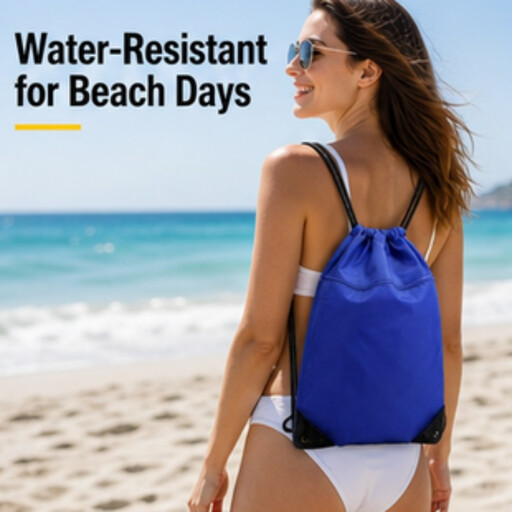
Why it suits this profile: This lightweight drawstring bag is suitable for a first visit to the gym, swimming or a short training session when you are taking only a few things with you.
The product name and description mention a separate zipped pocket, so small items do not have to lie loose among your clothes and shoes.
Drawstring design with an extra zipped pocket; suitable for sport, the gym and swimming.
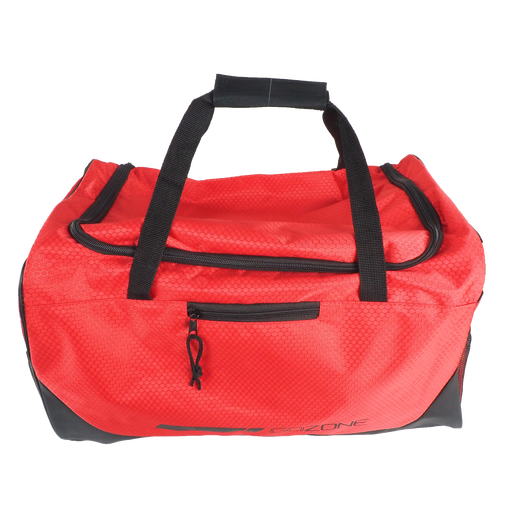
Why it suits this profile: The stated capacity of around 30–35 litres is suitable for fitness, sports training, a weekend away or as a compact travel bag.
The product information lists a main compartment, ventilated shoe or wet-item compartment, front zipped pocket and two handles with a detachable shoulder strap.
Around 30–35 litres; 600D polyester or ripstop nylon according to the product description; separate shoe compartment and two side pockets.
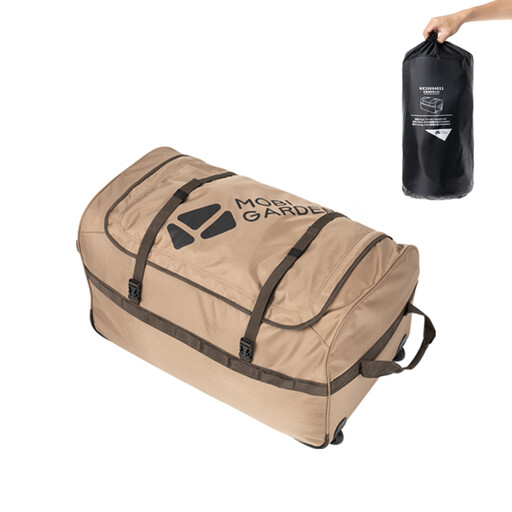
Why it suits this profile: For campers, anglers and travellers carrying lots of equipment, a large wheeled bag is more practical than a standard training bag.
The stated capacity is 110 litres and the bag has built-in wheels. This means you do not have to carry heavy belongings over short, flat distances.
110-litre capacity; folds down to around 42 × 21 cm; wheels on the base and a stated weight of approximately 1.75 kg.
We have compiled a complete, up-to-date list of products that fully meet these strict selection criteria and the applicable European safety regulations.
For clothes, shoes, a towel and toiletries, around 30 to 35 litres is often practical. If you are only taking clothes and a bottle, a smaller gym bag or drawstring bag may be sufficient. Always check the dimensions and shape of the main compartment.
Do not leave wet clothes and towels in the bag for long periods. Remove the contents after use, clean the inside according to the care instructions and allow the bag to dry completely. A mesh compartment can help belongings air more effectively, but it does not replace proper ventilation and care.
A rucksack distributes the weight across both shoulders and is often more convenient on a bike or public transport. A travel bag or traditional sports bag usually offers a wider opening and more packing space. Choose based on your route, how much you are carrying and how you want to carry the bag.
