
Vandaag of morgen in huis

Kwaliteit gegarandeerd

Welkomstaanbiedingen ontgrendelen: GRATIS bezorging | Tot 80% korting | Gratis 30 dagen JoyPlus-proefperiode
Download de app
A good sports bag isn't a luxury; it's a necessity. Whether you're heading to the gym, going for a run, or planning a weekend getaway, the right bag makes all the difference. Yet, the market is flooded with bags that overpromise and underdeliver. Before you invest in a new bag, it's helpful to recognise the most common pitfalls.
To avoid a bad purchase, focus on a few key specifications. These determine the lifespan and usability of your bag.
The fabric determines your bag's durability. Many functional bags, like a sturdy sports backpack or duffel bag, use materials such as 600D Polyester. The 'D' stands for Denier, a measure of fibre density. A higher number generally means a stronger, more abrasion-resistant fabric. Also, look for reinforced stitching in high-stress areas, like where the shoulder straps are attached.
Think about what you carry. A good gym bag often has a separate, ventilated compartment for shoes or wet clothes. This prevents odours and moisture from spreading throughout the bag. For specific sports, there are bags with thoughtful layouts. A padel bag, for example, has a protected compartment for your racket, while a golf bag is designed to safely transport clubs. For daily use, a backpack with a laptop sleeve and smaller pockets for keys and a wallet might be more practical.
A bag's volume is usually expressed in litres. For a quick workout, a compact gym bag or even a waist pack is sufficient. If you're going away for a full weekend, a weekend bag of 40 litres or more is a logical choice. Runners benefit from a minimalist running belt that doesn't bounce during movement. Also, consider how you want to carry the bag: with handles, a shoulder strap, or as a backpack. Some models offer multiple carrying options.
Below are a few highlighted bags, matched to specific user profiles. This selection is based on their functional specifications.
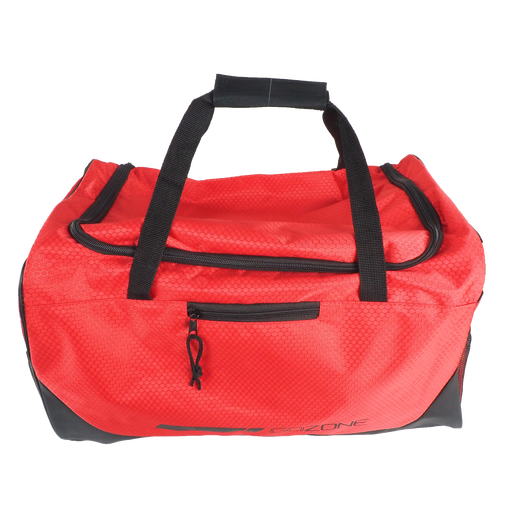
Why This Fits Their Persona: A no-nonsense bag for those who go straight from work to the gym. It's large enough for the essentials (clothes, towel, shoes, water bottle) without any unnecessary frills.
This bag tackles the "black hole" problem with a separate, ventilated compartment for shoes or wet clothes, keeping the rest of your gear fresh.
Made from lightweight yet durable 600D polyester. The detachable shoulder strap offers flexibility in how you carry the bag.

Why This Fits Their Persona: Ideal for runners who only need to carry their phone, keys, and a card. This running belt fits snugly against the body to prevent items from bouncing around.
This isn't a general-purpose bag, but a specific solution. Its fully reflective material addresses an often-overlooked aspect: visibility and safety in the dark.
The slim, ergonomic design is bounce-free and made from moisture-wicking material. The fully reflective surface provides 360° visibility.

Why This Fits Their Persona: For anyone active on or near the water, from kayakers to beachgoers. This waterproof bag (dry bag) is guaranteed to keep your valuables dry.
This model goes beyond "water-repellent." Its roll-top closure and coated, tear-resistant material offer serious protection against water, making the vague claims of other bags obsolete.
Compact and foldable when empty. The bag features shoulder straps, allowing it to be worn as a backpack. Includes an emergency whistle for added safety.
We have compiled a complete, up-to-date list of products that meet these selection criteria and current safety standards.
The easiest method is prevention: take out sweaty clothes and shoes immediately after your workout. Leave the bag open to air out. For a more thorough cleaning, you can wipe the interior and exterior with a damp cloth and mild soap. Avoid the washing machine, as this can damage water-repellent coatings and the bag's structure.
Water-repellent means the fabric has been treated to repel water droplets. This offers protection against a light, brief shower. Waterproof means the material and construction (often with sealed seams or a roll-top closure) prevent water from penetrating, even during heavy rain or brief submersion. For unpredictable weather or water sports, a truly waterproof bag is often a wise choice.
This depends entirely on your activity:
