
Vandaag of morgen in huis

Kwaliteit gegarandeerd

Welkomstaanbiedingen ontgrendelen: GRATIS bezorging | Tot 80% korting | Gratis 30 dagen JoyPlus-proefperiode
Download de app
A sports backpack needs to do more than look sporty. You want to carry clothes, shoes, a water bottle and small items without everything getting mixed up. At the same time, the bag should be comfortable to carry while cycling, walking or travelling on public transport.
Many disappointing purchases result from three recurring pitfalls:
First, think about what you carry every day. This helps you avoid choosing based solely on colour or brand.
A gym backpack or gym sackpack is suitable if you mainly carry a towel, top, trainers and a bottle. A drawstring backpack is lightweight and takes up very little space when empty. A separate zipped pocket is useful for keys, cards or earbuds.
For swimming, a swim bag made from a more breathable material can be useful. However, remember that mesh is not the same as waterproof fabric. It is therefore better to put wet items in a separate bag.
Anyone looking for a sports backpack for school or work will usually need more capacity and structure. Look for:
A school backpack of around 20 to 24 litres offers greater flexibility in many situations than a small fitness bag. Check the dimensions of your laptop or tablet separately; the maximum device size stated is not always the same as an exact laptop size.
An outdoor backpack does not have to be large to be practical. A backpack with a mesh pocket is useful for a bottle or small items you want to reach quickly. Reflective details can help improve visibility in traffic, but they are not a substitute for lights or reflective clothing.
Litres provide a general indication of the available space. However, the shape of the main compartment determines how efficiently you can use that space. In practice, a 20-litre bag with a wide opening may be more convenient than a narrower model with the same capacity.
Measure the items you normally carry, such as:
Also pay attention to the external dimensions if you want to place the bag under a seat, in a locker or in a pannier.
Adjustable shoulder straps help you position the bag higher or lower on your back. A padded back panel can make it more comfortable to carry when using the backpack for longer periods. This is particularly relevant for a full school backpack or a sports backpack used for commuting.
A drawstring model generally offers less support than a traditional backpack with padded straps. This need not be a problem with a light load, but it becomes less comfortable when carrying heavy shoes, books or equipment.
A main compartment with a two-way zip gives you access from different sides and can make packing easier. A front zipped pocket is suitable for small items you want to keep separate. A mesh pocket on the side is practical for a bottle, but check that the opening is large enough for your water bottle.
Claims about durability or a longer lifespan should not be assessed separately from the construction. Look at the material, seams, zips, carrying straps and recommended cleaning method. According to PUMA's product information, certain models are made with recycled materials; that alone does not mean the bag will last longer in all conditions.
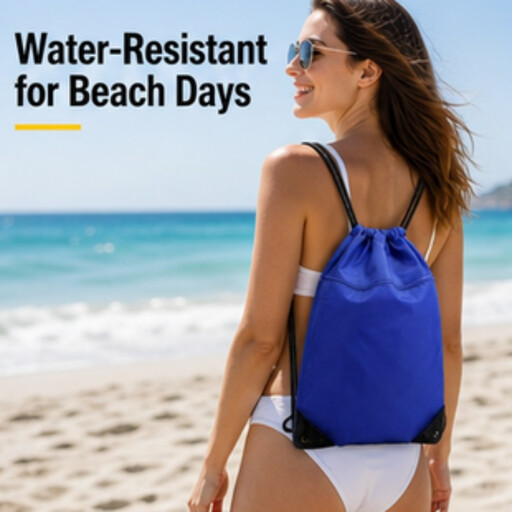
Why it suits this profile: This lightweight gym sackpack is designed for simple sporting activities such as fitness, swimming or a short training session.
The product name mentions a zipped pocket, so small items do not have to be kept loose in the main compartment.
Drawstring fastening, separate zipped pocket and a size suitable for light sports equipment.
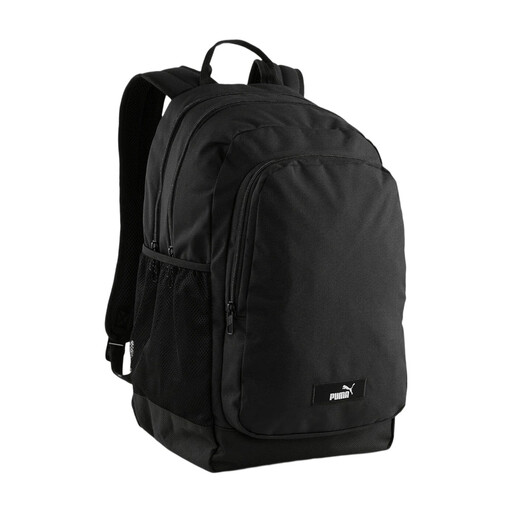
Why it suits this profile: Someone combining school, work and sport gets multiple compartments and a capacity of around 24 litres.
The two main compartments, zipped openings and two side pockets help avoid the problem of having one disorganised compartment.
Around 24 litres, padded shoulder straps, a padded back panel and an internal elasticated pocket.
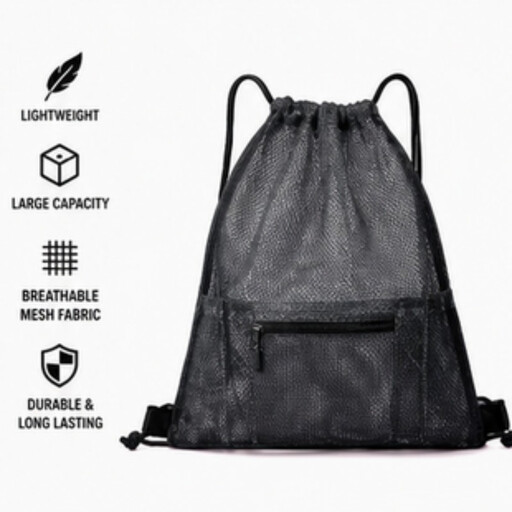
Why it suits this profile: The mesh design is ideal for sportspeople looking for a lightweight bag for fitness, outdoor activities or swimming gear.
The zipped pocket keeps keys or cards separate from sports equipment in the open main compartment.
Mesh material, drawstring fastening and a separate zipped pocket for small essentials.
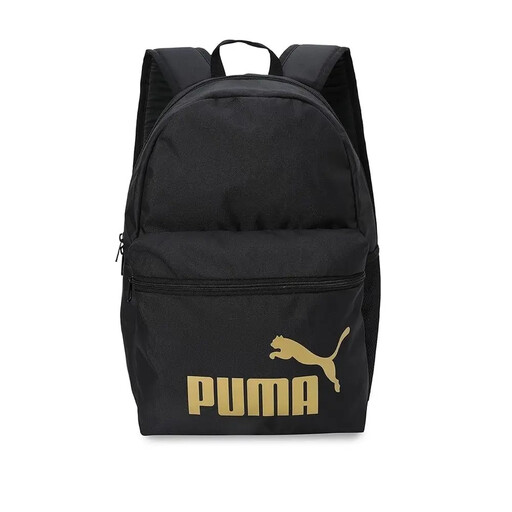
Why it suits this profile: The 22-litre capacity and layout are suitable for combining school, work and sport without taking a large travel bag.
The main compartment with a two-way zip, front pocket and side pocket provide more structure than a simple drawstring bag.
22-litre capacity, padded back panel, adjustable shoulder straps and a mesh side pocket.
We have put together a complete, up-to-date list of products that fully meet these strict selection criteria and the applicable European safety regulations.
For just clothing, a towel and shoes, a compact gym backpack may be sufficient. For combining school, work and sport, around 20 to 24 litres is often more practical. As well as the capacity in litres, check the dimensions and the layout of the compartments.
Yes, particularly with a lightweight swim bag or mesh model. Mesh can help with ventilation, but it is not automatically waterproof. Use a separate waterproof bag for wet clothing and remove damp items from the backpack after use.
Always follow the care instructions for the specific model. For the PUMA Phase Backpack II, for example, the product information states that it should be cleaned with a damp cloth and that wet items should be removed immediately. Do not use cleaning products if the manufacturer advises against them. Allow the bag to dry completely before storing it again.
