
Vandaag of morgen in huis

Kwaliteit gegarandeerd

Welkomstaanbiedingen ontgrendelen: GRATIS bezorging | Tot 80% korting | Gratis 30 dagen JoyPlus-proefperiode
Download de app
A good sports backpack is essential. Whether you're heading to the gym, going on a hike, or cycling to work daily, the right bag makes all the difference. But the market is flooded with models that promise the world. Many of these promises lead to a bad purchase: a bag that breaks after three months, causes back pain, or simply doesn't do what it's supposed to.
As a Joybuy Product Recommendation Officer, I'm here to help you make the right choices. We'll look beyond the marketing hype and focus on what really matters. Let's discuss the most common pitfalls and how to avoid them.
Before you make a choice, it's important to know what often goes wrong. Many backpacks look great online but fall short in practice.
To avoid a bad purchase, focus on three concrete features. These determine whether a sports backpack is suitable for your lifestyle.
A backpack's capacity is measured in litres. For daily use, such as commuting or a trip to the gym, a daypack of 15 to 25 litres is usually sufficient. This can hold a laptop, gym clothes, and some small items. If you're planning a serious day hike, a hiking backpack of 25 to 35 litres is a better choice.
Don't just look at the total volume, but also at the layout. A well-designed main compartment with a separate laptop sleeve and a small front pocket for keys and your phone is often more practical than a bag with ten small pockets where nothing quite fits.
Most sports backpacks are made of polyester or nylon. Polyester is durable and affordable. Nylon is often lighter and has higher tear resistance, making it a popular material for a lightweight backpack or outdoor backpack.
Be critical of claims about waterproofness.
The carrying system is arguably the most important part. A good backpack for men and women has the following features:
Based on these criteria, we have selected a few models that suit different user profiles.
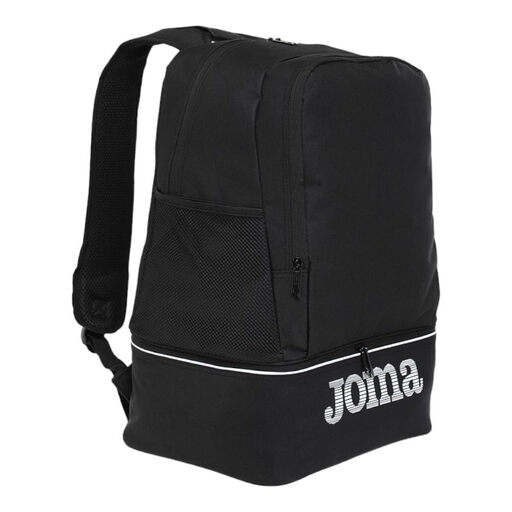
Why it's a match: This backpack is a no-nonsense choice for those seeking a reliable bag for the gym and daily use. It's spacious enough for your gym gear and essentials, without unnecessary bells and whistles.
This bag avoids the pitfall of excessive features. It focuses on a spacious main compartment and durability, which is exactly what you need in a gym backpack.
Made from durable polyester with a 24-litre capacity, making it versatile and practical for daily activities.
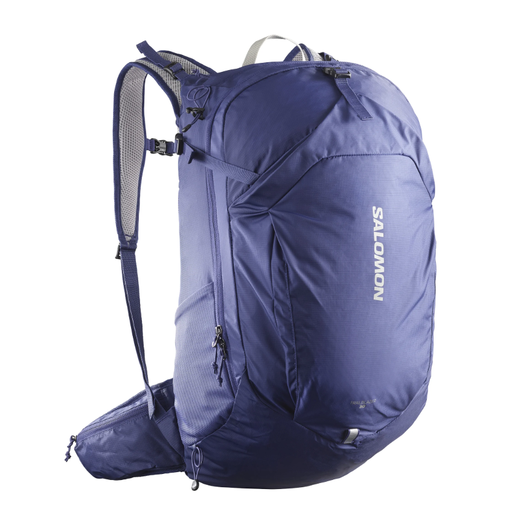
Why it's a match: For those who regularly venture into nature, comfort is essential. This hiking backpack from Salomon is designed for long-lasting comfort and has enough space for a long day trip.
Tackles the 'one-size-fits-none' pitfall with an improved, breathable back panel and comfortable shoulder straps. This ensures a stable fit and prevents back pain.
A generous 30-litre capacity and an ergonomic design specifically focused on comfort and breathability during outdoor activities.

Why it's a match: Ideal for those who need flexibility. This lightweight backpack is compact for daily use but can be expanded by 30% if you unexpectedly need to carry more.
Debunks the 'waterproof' myth with an honest description: the fabric is resistant to rain and splashes, which is realistic for a bag of this type. No false promises.
The expandable capacity (from 10L to 13L) and its ultra-lightweight design make it extremely versatile for commuting and short trips.
We have compiled a complete, up-to-date list of products that fully meet these strict selection criteria and local regulations.
For most daily activities, such as going to work, school, or the gym, a capacity of 15 to 25 litres is ideal. This provides enough space for a laptop (check for a dedicated sleeve), a lunch box, a water bottle, and possibly a set of gym clothes.
While many models are unisex, specific women's models often have a shorter back panel and shoulder straps that are shaped more inwardly to better fit a narrower frame and avoid pressure on the chest. For most daypacks, a unisex model is fine, but for a larger hiking or travel backpack, a gender-specific fit can offer significantly more comfort.
Clean the bag with a damp cloth and a mild soap solution. Do not put the backpack in the washing machine, as this can damage the water-resistant coating and the bag's structure. Let the bag air dry, away from direct heat sources like a radiator.
