
Vandaag of morgen in huis

Kwaliteit gegarandeerd

Welkomstaanbiedingen ontgrendelen: GRATIS bezorging | Tot 80% korting | Gratis 30 dagen JoyPlus-proefperiode
Download de app
A good purchase doesn’t start with a tempting offer. It starts with asking yourself what you’ll actually use the product for. Sports accessories and household appliances can vary widely in their materials, dimensions, water resistance and maintenance requirements. A product suitable for your daily commute, for example, may not be suitable for swimming. And a compact dishwasher won’t necessarily fit every worktop.
Look out for these common pitfalls:
There’s a big difference between using bone conduction headphones or open-ear Bluetooth headphones for sport, cycling and swimming. An IPX4 rating protects against splashes, such as those you might encounter while walking or doing light exercise. It doesn’t mean the product is suitable for a swimming session.
The Mojawa RunPlus is described in the product information as IP68 waterproof and suitable for swimming. Follow the manufacturer’s instructions when relying on this claim: rinse the device with clean water after contact with chlorinated or salt water, and dry it before charging. Avoid listening at high volume for extended periods.
For an insulated sports water bottle, the material and closure are just as important as the appearance. Look out for:
For children, weight, a handle, capacity and an easy-to-use lid matter more than a large capacity. Also make sure small detachable parts are kept out of reach of young children.
A compact dishwasher, mini tabletop dishwasher or quiet countertop dishwasher needs to suit both your kitchen and the amount of washing-up you do each day. According to the product information, the Heinrich’s HTG 8840 holds six place settings, has seven programmes and has a stated noise level of 47 dB. Its stated water consumption is 6,5 litres per programme, and its stated energy consumption is 49 kWh per 100 cycles.
Before you buy, check:
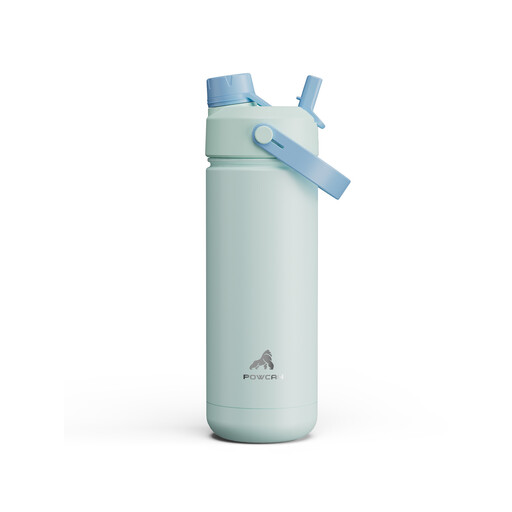
Why it suits this type of user: Its 532 ml capacity is suitable for short workouts, school, the office and everyday use. The 2-in-1 lid has both a straw and a spout.
The capacity and care instructions are clearly stated. The lid must be fully closed to keep the bottle leakproof.
18/8 stainless steel, double-wall insulation and a size that, according to the product information, fits most cup holders.
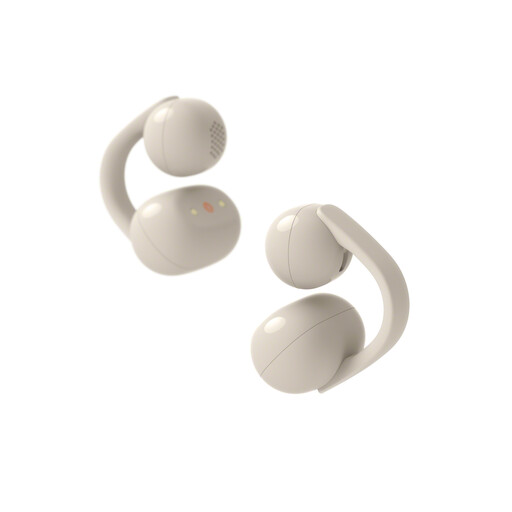
Why it suits this type of user: These open-ear Bluetooth headphones are designed for commuting, walking and everyday listening when you want to remain aware of the sounds around you.
The IPX4 rating makes the limits clear: the headphones are suitable for splashes, but not for swimming or submersion.
Bluetooth 5.3, up to 9 hours of playback from the headphones and, according to the product information, up to 37 hours with the charging case.
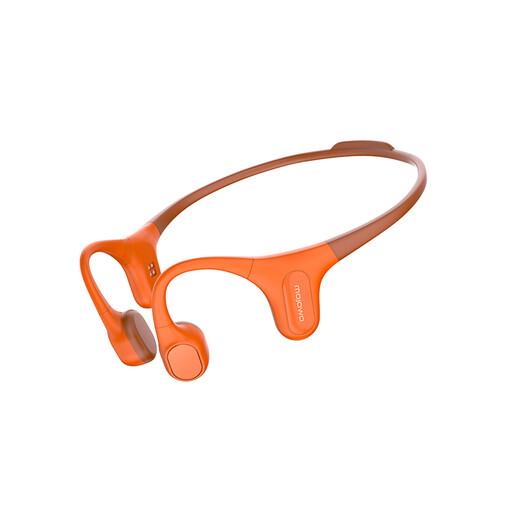
Why it suits this type of user: The product information lists IP68, 32 GB of built-in storage and suitability for running, cycling, fitness and swimming.
Its stated water-resistance rating is better suited to swimming than IPX4. Be sure to follow the instructions for rinsing, drying and charging.
An open-ear design, Bluetooth and 32 GB of storage let you listen without having to use a smartphone all the time.
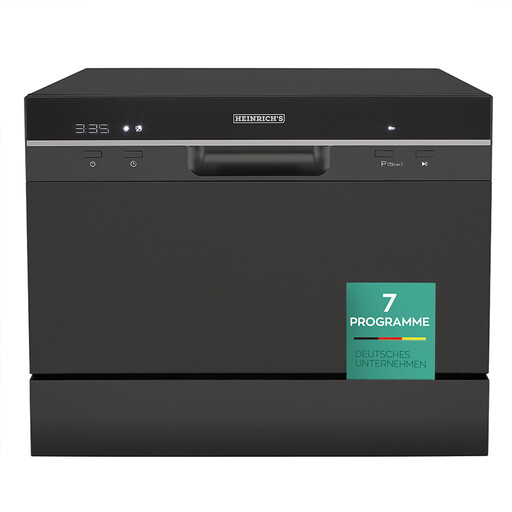
Why it suits this type of user: Its six-place-setting capacity, compact design and seven programmes make it a good fit for flats, student accommodation and small kitchens.
The product information includes the noise level, hose lengths, programmes and water consumption. This helps you check in advance whether installation is practical.
A stated noise level of 47 dB, seven programmes and water consumption of 6,5 litres per cycle, according to the product description.
We’ve put together a complete, up-to-date list of products that meet these strict selection criteria and the applicable European safety regulations.
That depends on the fit, water-resistance rating and volume. An open-ear model lets you hear more of your surroundings than a closed model, but check that the headphones stay securely in place. IPX4 is suitable for splashes and sweat, not swimming.
Its lifespan depends on the material, drops, temperature and how well it’s cared for. Check the silicone ring and lid regularly for signs of wear. Clean the bottle according to the product instructions, and replace parts if the seal no longer closes properly.
It depends on the amount of washing-up, the programme and how you wash by hand. Compare the stated water and energy consumption with your own usage. Also consider programme duration and the cost of detergent, salt and maintenance.
