
Listening to speech in noisy surroundings
You listen to spoken lessons while sitting down and want to understand the Dutch words without constantly turning up the volume. Compare speech quality, fit and noise cancelling together.


If you mainly listen to spoken lessons while sitting in a noisy place, start by considering speech quality, fit and a closed-back design with noise cancelling; ANC alone doesn’t tell you how clearly voices will come through. If you want to hear announcements or stay aware of your surroundings while you’re out and about, consider compact earbuds with an ambient mode or open-ear headphones, bearing in mind that they offer less isolation. Compare battery life in the mode you’ll actually use, and try the fit where possible. Consumentenbond assesses speech quality separately; the WHO recommends a good fit and noise cancelling as ways to help you avoid turning up the volume in noisy surroundings.
You listen to spoken lessons while sitting down and want to understand the Dutch words without constantly turning up the volume. Compare speech quality, fit and noise cancelling together.
You want to hear announcements or what’s going on around you between lessons. An open design or an easy-to-access ambient mode could work, depending on how much background noise you can tolerate.
You often take your listening device out for a short time and then put it away again. Size, storage and fit all matter, as well as listening time per charge.
First decide whether clear speech in noisy surroundings or awareness of your surroundings matters most. Then compare the style, fit and battery life.
Choose these if: you usually sit still and want to follow spoken lessons without being disturbed by background noise.
Trade-off: over-ear headphones take up more room in your bag, and ANC doesn’t block out every sound equally well.
Choose these if: you want a small charging case and a snug fit for listening in noisy surroundings.
Trade-off: fit and comfort vary from ear to ear. Compare listening time per charge separately from the extra capacity provided by the case.
Choose these if: you want to keep your ear canal clear so you can hear things such as campus announcements, especially in a relatively quiet place.
Trade-off: distracting background noise comes through too, and an open design doesn’t guarantee safe behaviour in traffic.
Choose these if: you prefer a headband to earbuds but find larger over-ear headphones difficult to carry around.
Trade-off: the cushions sit on your ears, so don’t expect the same level of isolation or comfort as you’d get from well-fitting over-ear headphones.
| What to consider | What should you check? | Who should prioritise this? |
|---|---|---|
| Understanding spoken Dutch | Compare reviews of voice quality and ANC. If possible, listen to a spoken clip at your usual volume. | If I want to follow Dutch words while sitting somewhere noisy, I look at both speech clarity and fit. Around 28% of consumers say speech intelligibility is their top priority. |
| Hearing announcements and traffic | Check how quickly you can pause playback or switch on ambient mode. | If I want to hear announcements or traffic between lessons, awareness of my surroundings matters most to me. Around 22% of consumers put this first. |
| Easy to carry and store | Compare the style, any case or folding features, and the fit. | For short listening sessions between lectures, I want to be able to put my listening device away easily. Around 22% of consumers put portability first. |
| Comfort and listening time | If possible, try the fit with glasses on and compare battery life with ANC switched on or off, depending on how you’ll use them. | If I listen to several sessions in a row, I want a comfortable fit and a battery that suits the way I use my headphones. Around 17% of consumers prioritise comfort and battery life equally. |
| Essential features | Think about where you’ll usually listen and check whether the exact model has the features you need there. | In a quiet place, I don’t want to pay for features I don’t need. Around 11% of consumers give most weight to the features they need when considering what to buy and how they’ll use it. |
Manufacturers often quote different maximum battery life for each noise-cancelling mode. For true wireless earbuds, the total may also include the extra charge provided by the case.
Compare listening time per charge, and make a note of the mode used for the manufacturer’s figure and how much extra battery life the case provides.
The isolation that’s useful when you’re sitting still may make announcements or traffic harder to hear. Ambient mode doesn’t replace paying attention to your surroundings.
Pause your audio whenever you need to hear what’s going on around you. The Rijksoverheid says you must not hold an electronic device while driving.
An open design lets in useful signals as well as distracting noise. If that makes spoken lessons difficult to understand, you may be tempted to turn up the volume.
Choose open-ear headphones mainly when staying aware of your surroundings is the priority. For focused listening, find a quieter place or consider a different style.
The WH-CH720N is an over-ear model with ANC, ambient mode and the option to listen via a cable. Compare its modes with the way you listen.
The Tune 770NC is a foldable over-ear model with ANC, Smart Ambient and a connection for two Bluetooth devices.
The OpenFit Air offers an open-ear option for when you want to keep hearing the sounds around you.
The ACCENTUM True Wireless is a compact in-ear option with ANC and transparency mode; the ACCENTUM Wireless is a separate over-ear model.
The Space One is an over-ear model worth comparing if ANC, foldability and an adjustable transparency mode are important to you.
These Joybuy products are designed for wireless listening and easy carrying between lessons. Check which features and specifications suit your listening environment for each model.
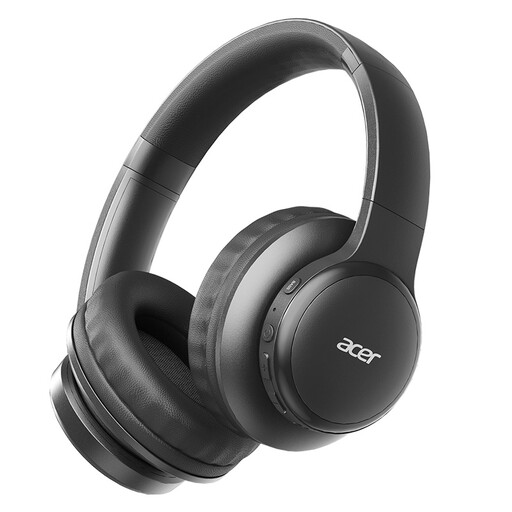 No image available
The foldable design is handy if you want to carry headphones with you between lectures.
Bluetooth 5.3.
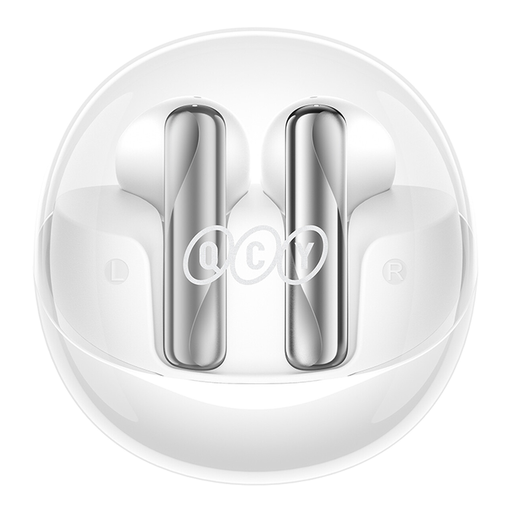 No image available
A compact option for short listening sessions between lectures. Check that they fit your ears comfortably.
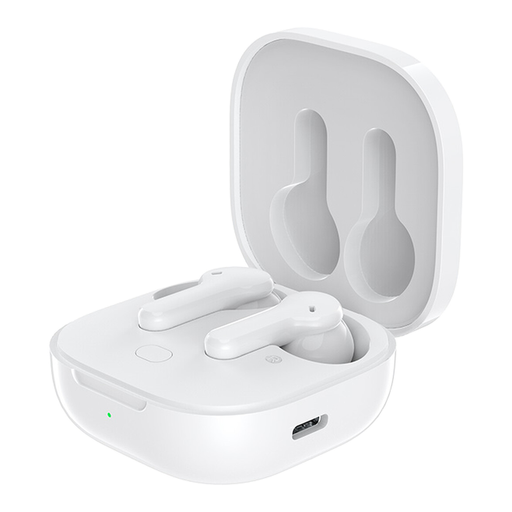 No image available
A lightweight, portable model for listening to podcasts or music. Check that it feels comfortable in your ears.
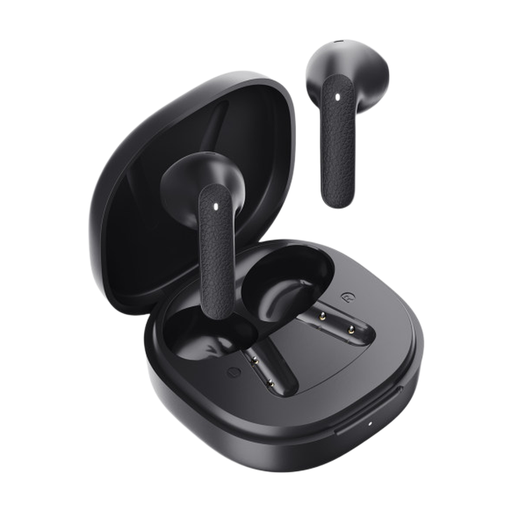 No image available
The in-ear design and charging case are ideal if you want to carry your earbuds around compactly.
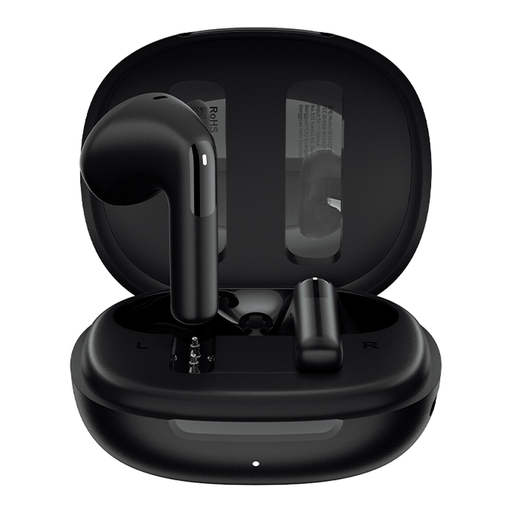 No image available
This compact true wireless option is a good fit if you want to carry wireless earbuds with you between lectures.
Wearing them isn’t prohibited in itself, but the Dutch police warn that distractions can lead to dangerous situations. The Rijksoverheid says you must not hold an electronic device while driving. Make sure you can hear your surroundings, and don’t operate your phone by hand while cycling.
Start at a low volume and listen to a spoken clip before changing any settings. Consumentenbond assesses speech separately because voices should sound natural. A setting or a manufacturer’s claim doesn’t guarantee that a recording will sound clear to you.
The WHO recommends a well-fitting pair of headphones and, where appropriate, noise cancelling to help reduce the urge to turn up the volume. Your listening level, as well as how long and how often you listen, also matters. Take listening breaks, and seek professional advice if you have persistent ringing in your ears or hearing problems.
Most online purchases in the Netherlands come with a 14-day cooling-off period from delivery, subject to legal exceptions that ACM ConsuWijzer recommends checking in advance. If a product breaks too soon during normal use, you may be covered by the statutory guarantee, and the seller is responsible for providing an appropriate solution. There isn’t one fixed statutory guarantee period for every pair of headphones.