What should you look for when buying?
Single-zone portable hob
A good fit if: you want to use one suitable soup pan on an additional cooking spot and its base matches the zone.
Bear in mind: there’s no second zone on this hob for a side dish.
Freestanding hob with multiple zones
A good fit if: you want to use several pans without built-in installation and your electrical circuit is suitable. Inventum lists four zones and automatic power management for the VKI6010ZIL.
Bear in mind: available power may be shared when cooking on several zones at once. Also check which other appliances are on the same circuit.
Built-in hob with a suitable cooker circuit
A good fit if: you want to install or replace a permanent cooking area and prepare several dishes at once. ETNA lists four zones and a two-phase connection for the KI1160ZT.
Bear in mind: check the cut-out dimensions and have the required connection assessed; a flexible zone won’t automatically suit every round soup pan.
For a pot of soup and a meal with guests, the key considerations are a low heat setting, the electrical connection, pan size and space for other pans.
| What to consider |
What to look for |
Who is this important for? |
| Gentle simmering |
Where possible, look for an assessment of the low setting on the exact model, and check that you can easily adjust the setting for each zone. The Consumentenbond assesses simmering separately from the number of heat settings. |
I want the soup to cook gently after coming to the boil, and to be able to adjust the heat; around 31% of consumers say reliable simmering is their top buying concern. |
| Connection and installation |
Compare the exact model’s rated power and installation requirements with your existing circuit. If in doubt, ask a qualified professional to assess the connection. |
I want to know in advance whether the hob can be connected in my kitchen; around 25% of consumers give connection and installation top priority. |
| Pan and cooking zone |
Check that the pan base is induction-compatible and compare its diameter with the zone and the model’s manual. The Consumentenbond recommends matching the pan size to the cooking zone. |
I want to use my existing soup pan without relying on its wide rim as a guide; around 25% of consumers put pan fit first. |
| Space for other pans |
Count the pans you want to use at the same time and check that they fit on the zones. Also find out how the model shares power when several zones are on. |
I want to prepare other dishes alongside the soup; around 19% of consumers say cooking several dishes at once is their main buying concern. |
Induction hobs at Joybuy
This selection includes built-in hobs for several pans and a portable single-zone hob for one pan. Compare each model’s connection requirements, pan size and available space for other dishes.
 No image available
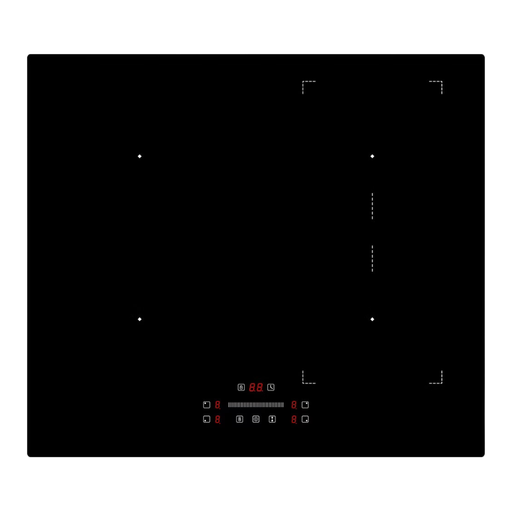
Exquisit EKI624-30 induction hob
The four zones and bridge function may be useful if you want to use a soup pan and other pans at the same time; they don’t prove measured simmering stability.
The description lists nine settings and a timer. The cable is supplied without a plug; the hob is designed for built-in installation and direct connection.
Joybuy
 No image available
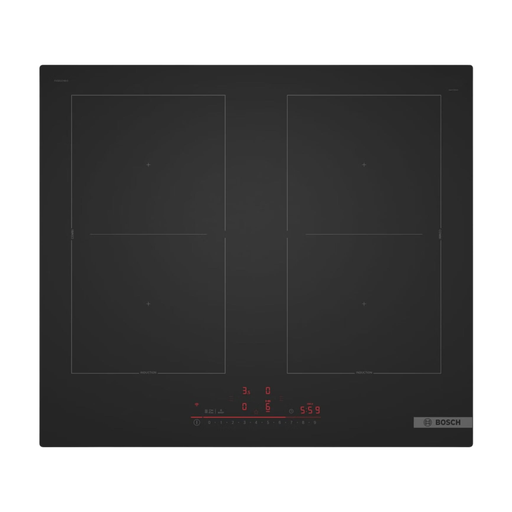
Bosch PVQ61CHB1E induction hob
The four zones and linkable zone may suit a meal with several pans; check that the zone is suitable for the shape of your soup pan.
The description lists TouchSlider, 17 power settings and a rated power of 7,4 kW. This is a built-in model; have the required connection and cut-out checked. The settings don’t prove independently measured simmering performance.
Joybuy
 No image available
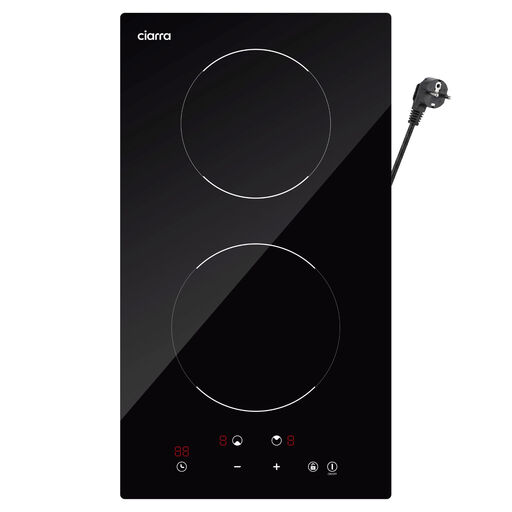
Ciarra CRGDBIH2 built-in induction hob
The two zones can provide space for a soup pan and a second pan, if both pans suit the zones.
The product title lists 3.000 W; the description mentions nine power settings and a timer for each zone. This is a built-in model, and the description recommends professional installation. The settings don’t measure how steadily the temperature is maintained while simmering.
Joybuy
 No image available
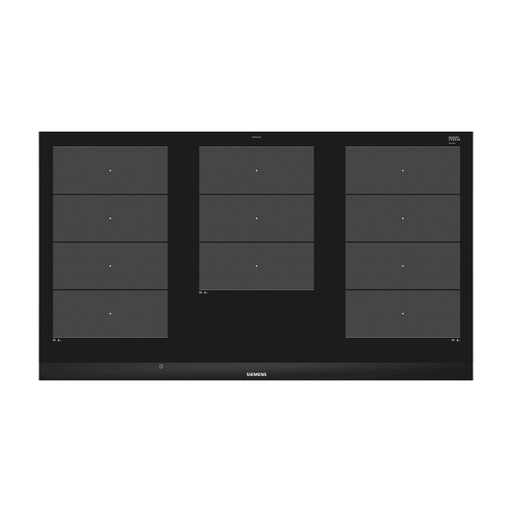
Siemens EX975LXC1E iQ700 induction hob
The five zones and flexInduction may come in handy if you want to use several pans alongside the soup.
The product title lists a three-phase connection. The description recommends installation by a qualified electrician; check that the connection is suitable for your home.
Joybuy
 No image available
Fritel IP 1266 portable induction hob
This portable hob may suit you if you want to use one induction-compatible soup pan on an additional cooking spot; there’s no room for a second pan on the same appliance.
The product title lists 2.000 W and a cooking zone of Ø 26 cm. The description mentions ten power settings, a timer of up to three hours and pan bases measuring 12 to 26 cm.
Joybuy
Frequently asked questions
Can you use your existing soup pan on an induction hob?
Yes, if the base is suitable for induction and fits the cooking zone. Check the base and compare its diameter with the zone and the manual for your chosen model; a magnet can help you check the base.
Can you leave the soup simmering on a timer until your guests arrive?
Don’t assume this based on a timer alone. Inventum, for example, says that the VKI6010ZIL timer switches off the zone once the set time has elapsed; check how your own model works and keep an eye on the soup while it’s cooking.
Can you connect a built-in induction hob to your socket yourself?
That depends on the exact model and your electrical installation. The Consumentenbond recommends professional installation for built-in hobs and says that hobs with a rated power above 3,65 kW need a higher-capacity connection and a five-pin Perilex socket. Have someone check what’s required for your hob and home.
How should you store leftover split pea soup?
Cool the soup quickly and store it in a sealed container in the fridge or freezer. According to the Voedingscentrum, leftovers shouldn’t be left out of the fridge for more than two hours; this isn’t something a hob does automatically.
What warranty applies when you buy an induction hob?
For a consumer purchase, the seller must offer a solution if the product is faulty, according to the Rijksoverheid. The Netherlands doesn’t have a fixed statutory warranty period of two years; what you’re entitled to expect depends, among other things, on the product and the circumstances.


