
Savoury tart baker
You want the base and spinach filling to cook through properly. Check the oven settings, but make sure you drain the spinach well too: Hofweb recommends this when preparing spinach quiche.


Start by choosing an oven that fits your tart tin and lets you bake the base with the right heat. A fan setting is especially useful if you’re cooking more than one dish or using multiple shelves. A freestanding model may suit you if you don’t have a built-in space, while a built-in oven offers different options for capacity and settings. Drain the spinach well and blind-bake the base if needed: changing ovens alone won’t solve a filling that’s too wet.
You want the base and spinach filling to cook through properly. Check the oven settings, but make sure you drain the spinach well too: Hofweb recommends this when preparing spinach quiche.
You want to know how many tart tins will actually fit and whether you can bake on more than one shelf. The Consumers’ Association recommends comparing the oven’s internal dimensions with those of your largest oven dish.
You’re comparing a freestanding appliance with a built-in oven. Measure the available space and, before choosing, check the connection requirements as well as the dimensions of the housing space if you’re considering a built-in model.
Start with the size of your tart tin and the heat you want for the base. Then decide between freestanding and built-in, and work out how much oven space you need.
| What to consider | What should you look for? | Who is this most important for? |
|---|---|---|
| A well-baked base | Check whether the oven has top and bottom heat and whether you can place the tart on a lower shelf. The Consumers’ Association explains that a lower position can give the base more heat; Hofweb recommends draining the spinach well. | I want a well-baked base without the moist filling making it soggy. Around 36% of consumers prioritise how well the tart base is cooked. |
| Oven capacity | Measure your tins and compare them with the oven’s internal dimensions and shelf positions. If you want to cook several dishes on different shelves, also check which settings the model offers. | When I’m baking for a crowd, I want to know whether my tart tins will fit and whether I can use more than one shelf. Around 29% of consumers prioritise how much they can bake at once. |
| Positioning and connection | For a built-in oven, measure the housing space and compare it with the installation dimensions. Check the manual and connection requirements for every model. A freestanding appliance needs a suitable place on your worktop. | I want to know in advance whether the oven will fit in my kitchen and can be connected. Around 21% of consumers start by considering positioning and connection. |
| Controls and costs | Compare the controls, timer and cleaning features you’ll actually use. Check the energy label where applicable and find out about any installation costs. | I want to set the oven easily and avoid choosing features I don’t need. Around 14% of consumers prioritise simplicity and cost. |
The stated capacity doesn’t tell you whether your tin will fit in terms of width and depth. The Consumers’ Association also points out the difference between total capacity and usable internal space.
Measure your tin and compare it with the internal dimensions and shelf positions before choosing a larger model.
A larger appliance takes up more space; the Consumers’ Association also notes that larger ovens generally use more energy.
According to the Consumers’ Association, combination microwaves often lack bottom heat and may have limited shelf positions.
Check the settings and where your tin can be placed in the exact model you’re considering. A combination microwave is worth considering if using the microwave is important to you.
Spinach that hasn’t been drained properly can leave the base soggy, even in an oven with multiple functions.
Drain the spinach and consider blind-baking the base as directed in the recipe.
An oven may have connection requirements that your kitchen can’t meet, even if it fits the built-in space.
Compare the manual for your chosen model with the connection available, and check what any installation service includes.
The freestanding OV607B is an example for anyone who doesn’t have a built-in space.
The OM316MZ is a built-in example with several shelf positions and a range of oven settings.
The BBIE11100B is a built-in model to compare for its internal space and the features you need.
The HBG7741B1 is a built-in example for anyone considering digital controls and cleaning features.
The Forneby (105.568.95) is a built-in example with a fan setting and additional steam and cleaning features.
These product choices focus mainly on built-in ovens with fan cooking and top and bottom heat. There’s also a combination microwave for anyone who wants to consider microwave use.
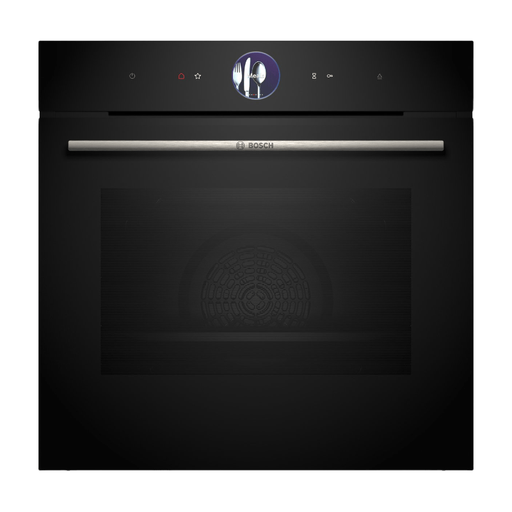
 No image available
An option to compare if you’re looking for a built-in oven with fan circulation for cooking on several shelves.
The product name lists 60 cm, 70 L, a timer, grill, pizza function, AquaClean steam cleaning, LED display and energy class A.
 No image available
A good fit if you’re looking for a built-in steam oven and want to check that it also has suitable settings for baking a savoury tart.
The product name lists a size of 60 cm × 60 cm and an air fry function. Check which oven settings your recipe requires.
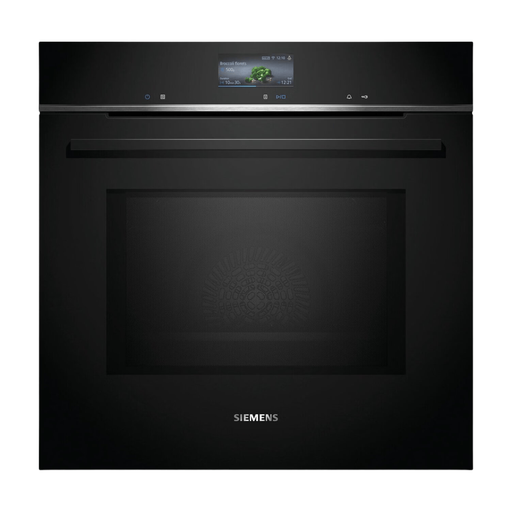
 No image available
A built-in option to compare if you want to cook several dishes; check which settings are suitable for your tart.
The product name lists a 71 L capacity, steam cooking and pyrolytic cleaning.
 No image available
Compare this combination microwave if you want to use a microwave as well as an oven. Check that the oven settings suit your tart tin and recipe.
Don’t use the microwave function with metal baking tins, aluminium foil or crockery with gold or silver decoration.
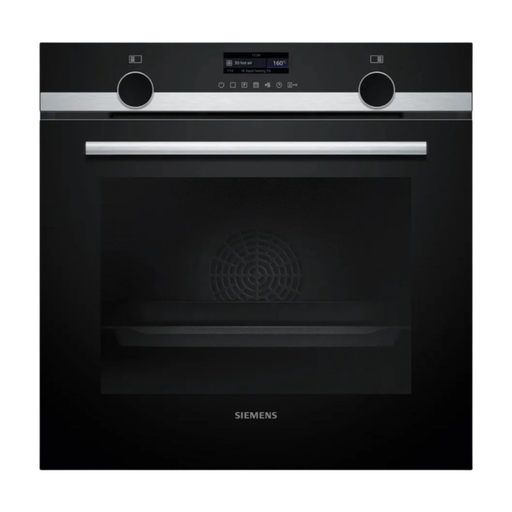 No image available
A built-in oven to compare if you’re considering top and bottom heat and cooking on several shelves.
The product name lists a 71 L capacity. Check the internal dimensions and available settings for your tart tin.
No, it depends on how you’re baking it. The Consumers’ Association says fan cooking is especially useful for cooking several dishes on different shelves. With top and bottom heat, you can place the tart lower down to give the base more heat. Follow your recipe and drain the spinach well.
Measure both the housing space and your largest tart tin, then compare those measurements with the model’s installation and internal dimensions. Also check the manual to see what type of connection the model requires.
For a savoury tart made with puff pastry, the Netherlands Nutrition Centre advises keeping it chilled for no more than two days once opened. Cool any leftovers quickly, store them covered in the fridge and don’t leave them out of the fridge for more than two hours.
The EU energy label includes details such as oven capacity and energy consumption per cycle for conventional and fan cooking. The European Commission presents this as comparison information based on a standardised method, not as a prediction of energy use or baking results for your own recipe. Small and portable ovens are outside the stated scope of the label.
If you’re offering unpackaged food to consumers in a situation covered by the Netherlands Food and Consumer Product Safety Authority (NVWA) rules, you must be able to provide information about the allergens it contains. The relevant allergens depend on the recipe, so make a note of the ingredients you actually use. The NVWA sets out rules on allergen information for food sold at events.