What should you look for when choosing?
Built-in oven
A good fit if: you have a suitable built-in space and want an oven setting that suits your tart recipe.
Keep in mind: check the space dimensions and connection, and make sure your tin and baking trays will fit; capacity in litres alone doesn’t tell you that.
Freestanding oven
A good fit if: you don’t have a suitable built-in space, but do have a safe place for the oven and a suitable connection.
Keep in mind: measure the available space and check the internal capacity and baking tray dimensions.
Combination oven or microwave combi oven
A good fit if: you need a microwave function as well as conventional oven cooking.
Keep in mind: the Consumentenbond reports that microwave combi ovens often lack bottom heat and have fewer shelf positions; check the settings on the exact model.
Built-in oven with steam assistance
A good fit if: you’ll use the extra feature for other dishes too, and your built-in space and connection are suitable.
Keep in mind: the spinach quiche recipes consulted don’t indicate that steam is needed for this tart.
Start with the tart tin and the oven setting you need, then compare the space, installation options and how you expect to use the oven.
| What to consider |
What should you check? |
Who should pay extra attention? |
| A properly cooked tart base |
Check for conventional top and bottom heat, the shelf position and the oven setting specified in your recipe. |
If I want the base to cook properly, I look for the right setting and a suitable position for the tin. Around 36% of consumers put the tart base at the top of their list of concerns when choosing. |
| Room for the tart and extra dishes |
Measure your tin and compare it with the internal dimensions, accessories and permitted shelf positions of the model. |
If you’re planning other dishes for a family celebration, you’ll want to know whether the tin and trays will really fit. Around 29% of consumers put available space first. |
| Installation and connection |
For a built-in oven, compare the dimensions of the space; for any model, check its measurements, plug and installation instructions. |
If your kitchen doesn’t have a suitable built-in space, the oven needs to fit both the available area and the connection. Around 21% of consumers make installation their main concern when buying. |
| Running costs and energy information |
Where available, compare energy use per cycle for conventional heat and fan-assisted cooking, as well as oven capacity. |
If you’ll use the oven regularly after the celebration, you can take its energy use into account alongside your usual cooking habits. Around 14% of consumers put running costs first. |
Ovens at Joybuy for tarts and extra dishes for a celebration
This selection includes built-in ovens, a combination oven and freestanding models to compare for baking tarts and planning extra dishes. For each model, check the oven settings you need, the available space and the connection.
 No image available
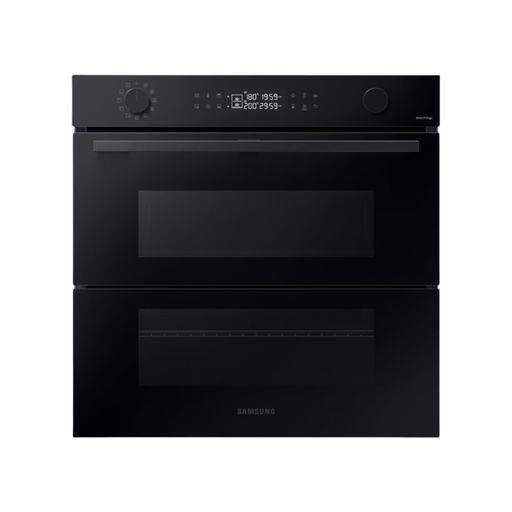
Samsung NV7B4540VAK/U1 built-in oven
A built-in option to consider if you’re planning several dishes for a family celebration; check that the space and connection are suitable.
Listed features: 76 litres, Dual Cook Technology, pyrolytic cleaning and a stainless steel finish.
View at Joybuy
 No image available
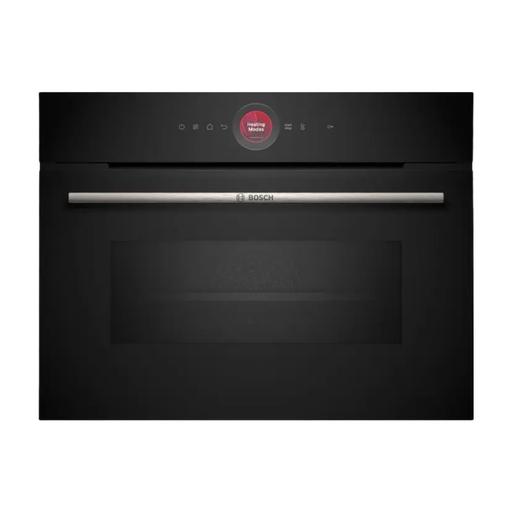
Bosch CMG7241B1 combination oven
A built-in combination oven to compare if you want a microwave function as well as conventional oven cooking; check which oven settings suit your recipe.
Listed features: 45 litres, 900 W microwave power, TFT display and Home Connect.
View at Joybuy
 No image available
Bosch HBA534BB3 Serie 4 built-in oven
An option for a tart recipe using conventional top and bottom heat; Bosch lists 3D Hotair on up to three shelf levels for this model. Check that your chosen tin and baking trays will fit.
Listed features: 60 cm, 71 litres and 3D Hotair.
View at Joybuy
 No image available
Bosch HBG537EB4 Serie 6 built-in oven
A built-in option to compare for extra baking around a family celebration; measure the space and check that the oven has the settings you need.
Listed features: 60 cm, 71 litres and Air Fry.
View at Joybuy
 No image available
Severin TO 2074 freestanding oven
A freestanding option if you don’t have a suitable built-in space; check the available area and follow the installation instructions.
Listed features: 4-in-1, baking, toasting and grilling functions, and 1200 W.
Place the appliance on a flat, stable, heat-resistant surface and leave enough space for ventilation.
View at Joybuy
Frequently asked questions
Do I need an oven with a steam function for this tart?
No. The spinach tart and quiche recipes consulted use a conventional oven. For a spinach quiche, Leuke Recepten recommends blind-baking the base and draining the spinach; the recipes don’t indicate that steam is needed or that it will give you a better result.
What should I check before installing or connecting the oven?
For a built-in oven, measure the space and check the installation manual, plug and connection requirements for the exact model. The Consumentenbond points out that some ovens may need a special connection. The Brandweer recommends plugging high-power appliances directly into a socket, not into an extension block or cable reel.
How can I stop the spinach filling making the base soggy?
Follow the preparation steps in your recipe. For a spinach quiche, Leuke Recepten recommends baking the base first and draining the spinach thoroughly. This is recipe advice, not a guarantee that a particular oven model will produce a crisp base.
How do I compare ovens’ energy use?
Where the EU energy label applies, compare not only the energy class but also the capacity and energy use per cycle for the available oven settings. Milieu Centraal points out that a smaller oven with a lower label class may use less energy than a larger oven with a higher class. According to the European Commission, small ovens and appliances with microwave heating are outside the stated product scope, so don’t expect the same label information for every alternative.
Does an oven always come with a two-year guarantee in the Netherlands?
No. According to the Rijksoverheid, the Netherlands has no fixed statutory guarantee period. You’re entitled to a product that works properly, and you can contact the retailer if there’s a problem; a manufacturer’s guarantee or an extended guarantee bought separately is different.


