
Baking for a large group
Wants to know whether the tart tin or several portions will fit, without assuming that the stated oven capacity tells you how much usable space there is.


First, measure your tart tin, including the rim, and choose an oven that will fit it and can be positioned safely in a shared kitchen. Then compare the cooking settings and the space available if you need to bake in several batches. A freestanding model needs a suitable spot with enough ventilation; a built-in oven is only a practical choice if you have a suitable housing unit. Before buying, also check the CE marking on the specific appliance being offered.
Wants to know whether the tart tin or several portions will fit, without assuming that the stated oven capacity tells you how much usable space there is.
Needs a way to bake without a suitable built-in housing unit, and has to weigh up the worktop space available against the size of the tart.
Wants to match the cooking settings to the base and filling of a savoury tart; the settings available vary from model to model.
A good fit if: you don’t have a suitable built-in housing unit, but do have a safe place for the oven and enough room for your tart tin.
Bear in mind: the appliance takes up worktop space and needs to be able to release heat as set out in the installation instructions.
A good fit if: the shared kitchen already has a suitable housing unit and you want an oven with room for a larger tin.
Bear in mind: the housing unit and installation dimensions are key; a larger oven is not automatically more economical per use.
A good fit if: you also want to use one appliance for reheating, and the oven function and interior space suit your tart tin.
Bear in mind: check that the model really does have a fan oven function; a solo microwave is not a substitute.
A good fit if: you want to make a smaller tart and an ovenproof tin fits in the appliance with room for air to circulate.
Bear in mind: space around the tin limits the usable size, so it’s not guaranteed to suit a large tart for a shared meal.
| What to consider | What to look for when buying | Who should consider this? |
|---|---|---|
| Room for the tart and portions | Measure the tin, including the rim, and compare it with the usable interior space, rack or baking tray, and door opening. | If I’m baking for a group, I want to know whether my tin will fit and how many portions I can make. Around 36% of consumers prioritise space for the tart and portions. |
| Positioning in a shared kitchen | Measure the available space and check the installation instructions and required ventilation clearance. | With limited worktop space, I want to know where the oven can be positioned safely and whether other people need the work area too. Around 29% of consumers prioritise safe positioning above all else. |
| Cooking settings for the base and filling | Compare the settings on the exact model with the recipe, and check that the base and filling are cooked through while baking. | If I want to keep an eye on the base and filling separately, I’ll check which cooking modes the model offers. Around 21% of consumers prioritise cooking settings. |
| Purchase and running costs | First check whether a suitable oven is already available; if buying, compare the space required and, where stated, energy use per cooking cycle. | For a shared meal that may only happen occasionally, I don’t want to buy more oven capacity than I need. Around 14% of consumers prioritise cost. |
The capacity in litres doesn’t tell you directly whether the oven is wide or tall enough, or whether the door opening will accommodate your tart tin.
Measure the tin, including any protruding rim, and compare it with the usable dimensions of the exact model.
If the tin doesn’t fit, you may need a different tin or to bake in several batches.
The heat given off by an oven needs to be able to escape, as set out in the installation instructions.
Before buying, check the manual and the ventilation clearance available.
The stated power rating alone doesn’t measure electricity use per cooking cycle. Milieu Centraal advises comparing ovens by energy use per cooking cycle or per year.
Compare appliances using the same measure of energy use, if available, and don’t choose more oven space than you need.
Baking requires a suitable oven function; in an air fryer, air also needs to be able to circulate around the tin.
Check the oven setting and suitable tin size before choosing one of these alternatives.
You may need a smaller baking tin or a different arrangement for baking.
Inventum has freestanding ovens in various sizes, including the OV207B and OV457B.
According to the manufacturer, the freestanding Tristar OV-3640 has a capacity of 60 litres and a baking area measuring 45 × 35 cm.
According to Severin, the TO 2058 is a freestanding oven with a capacity of 42 litres.
The Bosch HBA534BS0 is an example of a built-in oven; Bosch states that it has a capacity of 71 litres.
Philips is worth considering if you’re thinking of using an air fryer with a suitable baking tin instead of an oven.
This selection includes freestanding ovens, combination microwaves with an oven function, and an air fryer toaster oven combination. Compare the space available for your tin, the cooking function and the room in your kitchen. Before buying, also check the CE marking on the specific appliance being offered.
 Image unavailable
An option if you want to use a microwave as well as bake; check that your tart tin fits in the oven cavity.
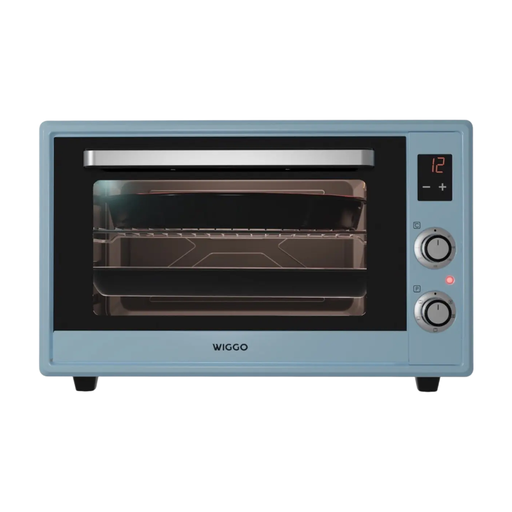 Image unavailable
A freestanding option if you have enough worktop space; measure your tin and check the ventilation clearance before choosing a spot.
 Image unavailable
A compact combination option if you want microwave, grill and convection functions in one appliance; check there’s room for your tart tin.
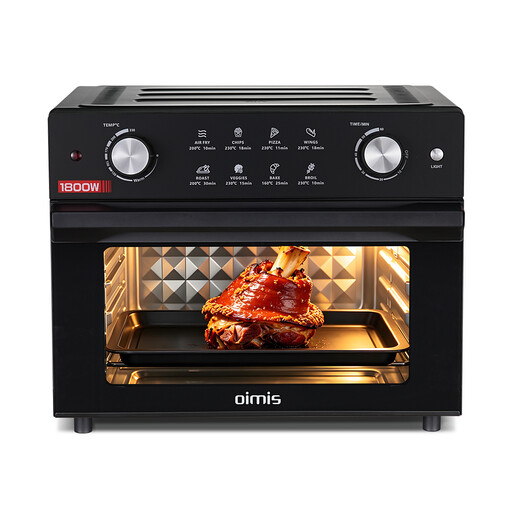 Image unavailable
An alternative to consider if an ovenproof tin fits inside the appliance with room for air to circulate.
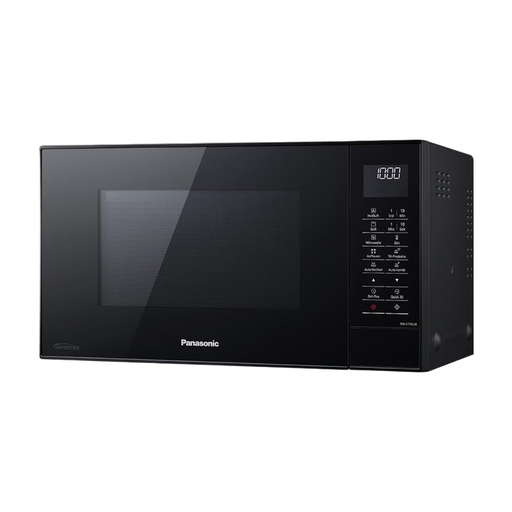 Image unavailable
A combination option if you want a microwave, grill and hot air; measure your tart tin and check that it will fit in the oven cavity.
Yes, but keep the tart chilled if it contains perishable ingredients. Voedingscentrum advises not leaving highly perishable food out of the fridge for more than 2 hours, and recommends setting your fridge to 4 °C. Bear this in mind when transporting and serving the tart.
Yes, as long as you cool leftovers quickly after cooking and store them in the fridge. Voedingscentrum says spinach can be reheated; cool leftovers quickly and store them at 4 °C.
Make sure heat can escape around the oven, in line with the installation instructions. Before cleaning, check the manual for the exact model; Bosch recommends using warm water, washing-up liquid and a damp cloth for its ovens, among other things.
According to the NVWA, CE marking is compulsory for electrical products covered by the relevant rules. Check the marking on the appliance being offered; on its own, it isn’t an independent assessment of baking performance.
No. ACM ConsuWijzer explains that your statutory rights also apply if, under normal use, a product doesn’t do what you could reasonably expect it to; in that case, the seller must offer a suitable solution. For an online consumer purchase that qualifies, you’ll generally also have a 14-day cooling-off period.