
Vandaag of morgen in huis

Kwaliteit gegarandeerd

Welkomstaanbiedingen ontgrendelen: GRATIS bezorging | Tot 80% korting | Gratis 30 dagen JoyPlus-proefperiode
Download de app
When you’re looking for spicy and sour Chinese instant noodles, you’ll quickly notice plenty of similar-looking packets. Yet the products differ significantly in noodle texture, portion size, preparation method and heat level. A wide noodle with chilli oil is a very different experience from Chinese vermicelli in a sour broth. And a value pack isn’t automatically better value if the portions don’t suit how you eat.
This buying guide will help you check the key differences before you order.
Heat can come from chilli oil, chilli powder, Sichuan pepper or a blended sauce. Sichuan pepper adds a tingling sensation alongside the warmth. A product described as hot & sour noodles might actually rely more on vinegar, pickled vegetables or broth than on chilli.
So check which sachets are included:
A 440 g pack may contain several portions, whereas a 110 g bag is usually one meal. Look at the number of individual units and the net weight per serving. For students or busy professionals, a small pack is practical. Families and regular noodle lovers may be better off with a noodle value pack.
Also check the nutritional information per 100 g. Some varieties contain around 3 to 6 g of salt per 100 g. That doesn’t tell you exactly how much you’ll get per meal, but it does make comparisons easier.
Not every instant noodle is simply a case of adding hot water. There are three common methods:
Check the packaging if you don’t want to use a hob. For a bowl at the office or in a student room, a steep-and-eat variety is often more convenient.
The noodle largely determines the eating experience:
If you’re mainly after Sichuan noodles with sauce, wide wheat noodles are a better choice. For a sour soup, vermicelli and sweet potato noodles often suit the desired texture better.
A product with separate sachets gives you more control than a fully pre-mixed seasoning base. Add some of the chilli oil or vinegar first, then adjust the flavour afterwards. That’s especially useful when several people are sharing the same pack.
With beef noodles, check the product description and ingredients list. “Beef flavour” could be a seasoned sauce or powder, while some meals include a separate sachet of prepared beef. According to the product information for certain Hefu varieties, the meat sachet contains beef with a stated content of 75%. Always check the current packaging for the exact composition.
Many Chinese instant noodles contain wheat, soya or sesame. Other possible allergens include peanut, egg, fish, celery, mustard, milk and sulphites. Check the allergen information before ordering, especially with mixed value packs.
Store unopened products in a cool, dry place away from direct sunlight. Once opened and mixed, the product should be consumed immediately according to the product information. Check the best-before date on the packaging.
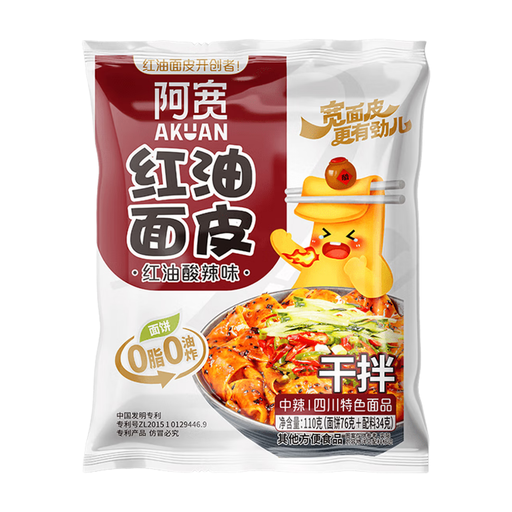
Why this fits the profile: A straightforward single portion for anyone wanting to try Sichuan flavours without committing to a large pack.
The pack states a 110g serving and includes separate sachets for sauce, seasoning and vinegar. This lets you adjust the sour and spicy flavours to your liking.
Wide wheat noodles, chilli oil and fermented vinegar; preparation requires approximately 350 ml of boiling water and around 2 minutes resting time.
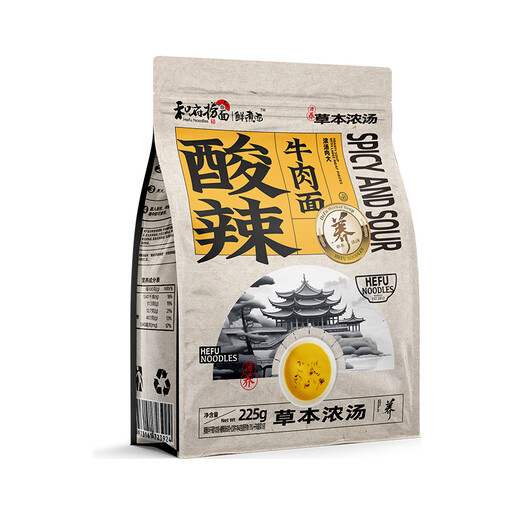
Why this fits the profile: For anyone wanting a complete meal with noodles, sour broth, pickled greens and a separate beef pack.
The composition clearly separates noodles, soup, beef and pickled vegetables. This makes it much clearer what you’re getting per meal.
225 g per pack; prepared beef with a stated content of 75% on the label; semi-dry wheat noodles.
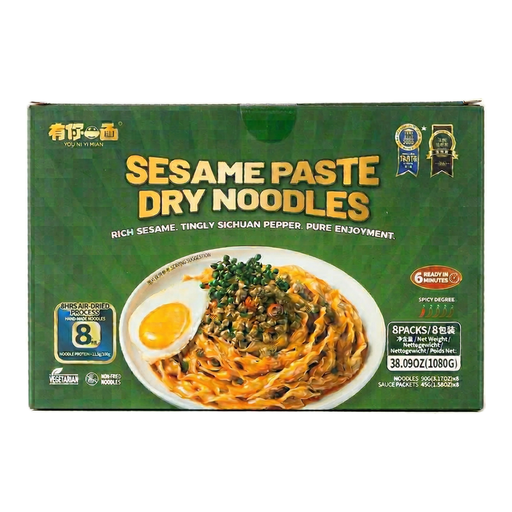
Why this fits the profile: A generous supply for fans of dry Sichuan noodles with chilli, sesame and Sichuan pepper.
This isn’t a small soup bowl; it’s a multipack with eight individual 135 g bags. That’s much better suited to regular use.
Total weight of 1,080 g; wide, chewy noodles; sauce with sesame paste, chilli and Sichuan pepper according to the product information.
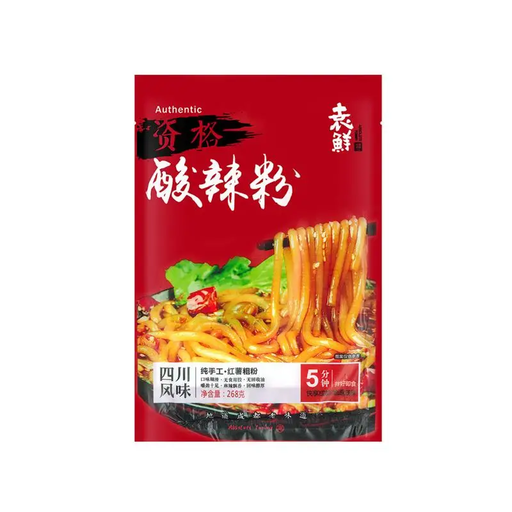
Why this fits the profile: Ideal if you’re after a sour, aromatic broth with elastic sweet potato noodles.
The pack contains separate sachets for vinegar, chilli oil, sauce and dried vegetables. So you don’t have to add all the seasoning at once.
268 g per pack; sweet potato starch as the base; peanut and sesame listed as allergens.
We’ve put together a full, up-to-date list of products that fully meet these strict selection criteria and comply with current European safety regulations.
Choose a variety where the packaging states that steeping in boiling water is sufficient. Place the noodle block in a bowl, pour boiling water over it, cover the bowl and wait the stated time. Drain the water if the instructions say so, then add the sauce and seasoning. Always use boiling water to rehydrate the noodles properly.
Unopened instant noodles can usually be stored at room temperature until the date on the packaging. The exact shelf life varies by product. Store them in a cool, dry place away from direct sunlight. Once opened or mixed, many varieties should be eaten immediately; follow the product instructions for this.
The price mainly depends on the portion size, the number of sachets, the noodle type and the presence of ingredients such as dried vegetables, beef or semi-dry noodles. So compare the price per portion, not just the price of the pack. A multipack can be handy for regular use, while a single portion can work out cheaper if you want to try different flavours.
