
Vandaag of morgen in huis

Kwaliteit gegarandeerd

Welkomstaanbiedingen ontgrendelen: GRATIS bezorging | Tot 80% korting | Gratis 30 dagen JoyPlus-proefperiode
Download de app
Fancy some spicy snacks, but can't decide between chewy konjac, crunchy crisps, tofu or Chinese street-food snacks? The range is huge, and product packaging often focuses mainly on flavour, origin or an eye-catching size. As a result, it's harder to see how many portions a pack contains, which allergens are present, and just how hot the snack might actually be.
With this guide, you can compare snacks on verifiable points. That way, you can make a more informed choice for a film night, snack box, party table or supplies for on the go.
A 200g or 400g bag might seem suitable for sharing, but also look at the number of individual portions. A multipack with small bags is handy for a group or lunchbox, whereas a large open bag loses its crunch more quickly.
Individually wrapped snacks, such as konjac snacks, tofu snacks and the five small bags of Jin Zai anchovies, make portion control easier. Just check that the total amount suits your needs. A 360g box with twenty portions is practical for several occasions, but less suitable if you're only after one small snack.
Spicy snacks can taste very different. Chilli can be combined with garlic, ginger, Sichuan pepper, sesame, barbecue seasoning or a sweet and salty sauce. So don't just look at words like spicy or hot, but also check the ingredients list.
A snack with Sichuan pepper can have a tingling or numbing flavour profile alongside the heat. Other products are mainly salty, sweet or smoky. The perceived heat also varies from person to person. If in doubt, buy a small pack first or a selection with several flavours.
Terms like "vegetarian", "plant-based" or "high protein" should always be verified against the ingredients and allergen information. A vegetarian tofu or konjac snack, for example, may contain soya, wheat or sesame. Sauces can also contain ingredients of animal origin.
The product page is useful for initial orientation, but the packaging is definitive. Always check the current ingredients, allergens, best-before date and storage conditions before consuming.
Pay particular attention to wheat, soya, milk, fish, sesame and sulphites. Wei Long Spicy Stick contains wheat, soya and sesame, among other things. The Jin Zai anchovies contain fish and sulphites. Soya and wheat are common in dried tofu and konjac products.
For vegetarians, snacks based on konjac, tofu, potato, chickpea flour or seaweed are possible options, but always check the full packaging. "Vegetarian" is only reliable if it is clearly supported by the product information.
Compare snacks on salt, energy, fats and sugars per 100g. Then look at the actual portion size. The Wei Long Konjac Crunchy Snack, for example, states 114 kcal and 3.2g of salt per 100g. The Jin Zai anchovies state 299 kcal and 4.63g of salt per 100g. This makes it clear that "light" or "small pack" doesn't automatically mean a low nutritional value.
With multipacks, the portion can be much smaller than 100g. So calculate how much an individual bag contains before comparing products with each other.
Choose based on the snacking occasion:
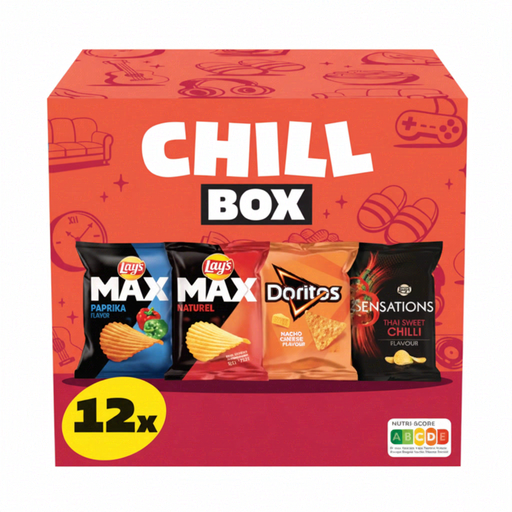
Why this fits the profile: A selection with twelve bags gives beginners the chance to try different flavours without buying several large packs.
The contents consist of individual bags, so you don't have to open a whole large bag at once.
Twelve portions and several varieties, including paprika, ready salted, nacho cheese and sweet chilli.
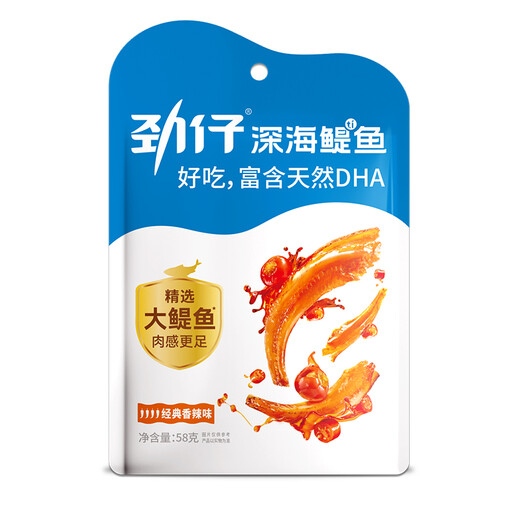
Why this fits the profile: Ideal for those looking for savoury fish, garlic, ginger and Sichuan pepper alongside the chilli.
The pack contains five bags of approximately 11.6g each. This means some stay sealed until the next snacking occasion.
Whole anchovy product, five individual packs and 28.5g of protein per 100g according to the product information.

Why this fits the profile: A practical choice for fans of chewy texture, plant-based snacks and several small snacking moments.
The box contains twenty bags of 18g each. So you don't have to open a large bag every time.
360g total, twenty individually wrapped portions and konjac flour as a listed ingredient. Contains soya and wheat.
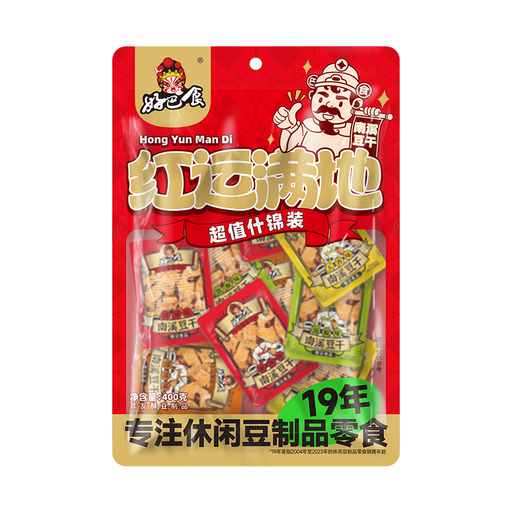
Why this fits the profile: The four varieties offer variety for those seeking vegetarian snacks with a firm bite.
You buy one selection instead of four separate flavours. The packaging lists soya and sesame as allergens.
400g total, four flavour profiles and 16g of protein per 100g according to the stated nutritional values.
We've put together a full, up-to-date list of products that fully meet these strict selection criteria and comply with current European safety regulations.
Choose a multipack, snack box or selection with individual bags. The Lay's Doritos Chill Box contains twelve portions. The Wei Long Konjac Crunchy Snack and Hao Ba Shi Dried Tofu Snack are also practical for several people thanks to their smaller packs. Put different textures side by side, for example spicy crisps with chewy tofu or konjac.
Store unopened snacks according to the instructions on the packaging, usually in a cool, dry place away from direct sunlight. Seal opened crisps airtight to better preserve their crunchiness. Individual bags only need to be opened just before eating. For products with fish or other moist ingredients, the rule is often: consume immediately after opening.
Some options are vegetarian, such as certain konjac, tofu, potato and chickpea snacks. This does not apply to snacks with anchovies, duck neck or other animal ingredients. Also check for soya, wheat, sesame and possible cross-contamination on the label. The actual product packaging remains the correct source before purchase and consumption.
