
Vandaag of morgen in huis

Kwaliteit gegarandeerd

Welkomstaanbiedingen ontgrendelen: GRATIS bezorging | Tot 80% korting | Gratis 30 dagen JoyPlus-proefperiode
Download de app
A spicy seaweed snack might seem straightforward to pick up: just grab a packet with chilli or wasabi and you’re done. But seaweed chips, seasoned kelp and roasted nori vary a great deal in texture, portion size, ingredients and shelf life once opened. If you only look at the front of the packaging, you could end up with a snack that’s too salty, goes soft quickly, or doesn’t suit your allergies or dietary preferences.
In this guide, we explain what to look out for in practical terms. Then we match different products to clear usage profiles, so you can make a more informed choice between a Korean seaweed snack, a Japanese variety or a Chinese kelp snack.
A thin roasted nori sheet breaks differently from a tempura chip or a firm kelp strip. A crispy seaweed snack is usually fine to eat straight from the packet, but moisture in the air can quickly change its texture. Large bags without individual portions need to be sealed properly after opening.
If you prefer a soft or chewy texture, it’s better to look at seasoned kelp, kelp knots or seaweed strands. These varieties are often firmer and sometimes chewy rather than brittle.
“Hot”, “spicy”, “wasabi” and “Sichuan” refer to different types of heat. Chilli generally gives a direct warmth, wasabi a short burst in the nose and mouth, while Sichuan pepper can provide a numbing, tingling sensation. A tom yum variety combines sourness, herbs and sometimes shrimp powder.
So check the ingredients list rather than just the product name. Also look out for allergens such as soya, wheat, sesame, mustard, fish, crustaceans and molluscs.
Seaweed products can be relatively low in energy per 100g, but still high in salt. That’s because many varieties are seasoned with salt, soya sauce, flavour enhancers or pickled ingredients. What’s more, the nutritional values aren’t always directly comparable: some packets list a dry roasted product, others a marinated kelp snack.
Use the nutrition table as a point of comparison and check the actual portion size. For example, the Wei Long Fengchi Kelp 252g states 8.23g salt per 100g. That’s relevant information if you plan to eat several portions.
Choose based on when you’ll be eating:
Check the storage instructions after opening. Many products recommend a cool, dry place and eating straight away. Some marinated kelp products need to be refrigerated after opening.
The amount of seaweed can vary considerably. The Bestore Seaweed Crispy Bamboo Shoots Spicy Flavor contains 49.5% kelp and 45.5% bamboo shoots according to the product information. The Taokaenoi Crispy Seaweed Hot & Spicy states 85% Porphyra yezoensis seaweed. These are different product types, so it’s not a direct quality ranking.
Also look out for:
The packaging is the final authority, as recipes and labels can change. Always check the current ingredients list and warnings before consumption.
A small packet of 12 to 32g is practical for a lunchbox, train journey or snack on the go. Larger packs of 150 to 400g are more convenient for sharing or serving as a side dish, but need more care when storing after opening.
Also think about whether you want a pure snack or a product that goes with noodles, rice, congee or salad. Kelp strips with chilli and Sichuan pepper, for example, are more of a side dish than a light, crunchy nori chip.
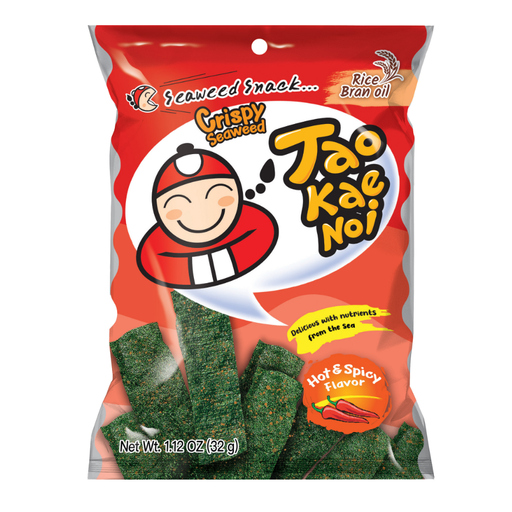
Why it fits this profile: The small size makes it an easy choice if you’re trying a spicy seaweed snack for the first time, or you want a compact snack for on the go.
The product information mentions 85% Porphyra yezoensis, chilli and white pepper. This makes the flavour direction clearer than a packet that only says “spicy”.
32g packet; according to the product information, none of the 14 main EU allergens; suitable for vegetarians.
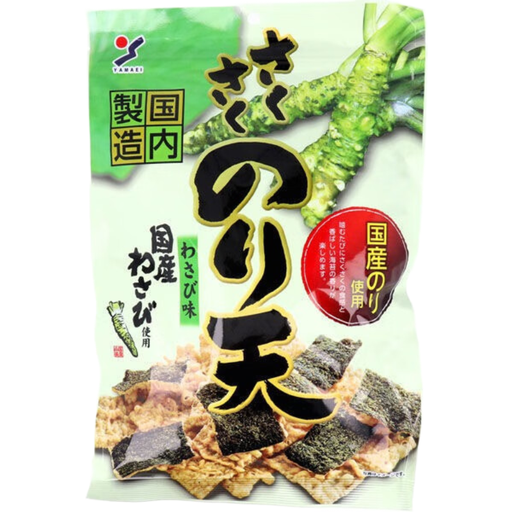
Why it fits this profile: For anyone looking for a distinctive Japanese snack with a tempura chip texture and wasabi seasoning, rather than thin nori sheets.
The product description clearly states it’s seaweed with tempura batter. So you won’t accidentally buy a simple roasted sheet with a different texture.
70g packet; crispy tempura texture; according to the label it contains wheat, egg and soya, which you can check in advance.
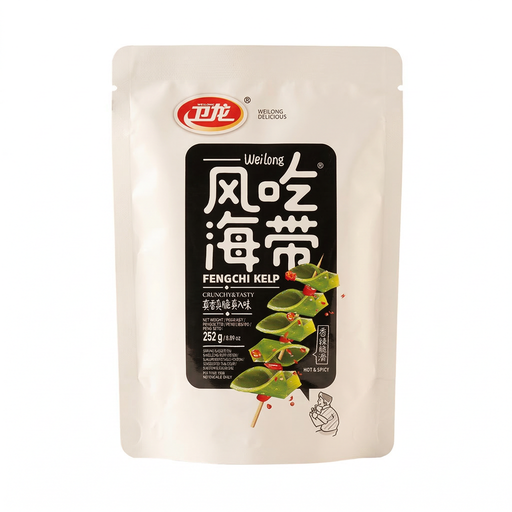
Why it fits this profile: The individual portions are handy if you regularly eat a Chinese kelp snack, share it, or want to serve a side dish with rice and noodles.
The 28 individual packs limit exposure to air after opening. The flavour is described as hot and sour, with chilli, Sichuan pepper, pickled ginger and mustard.
252g total; 76% kelp according to the product information; vegetarian according to the product description. Contains soya and mustard.
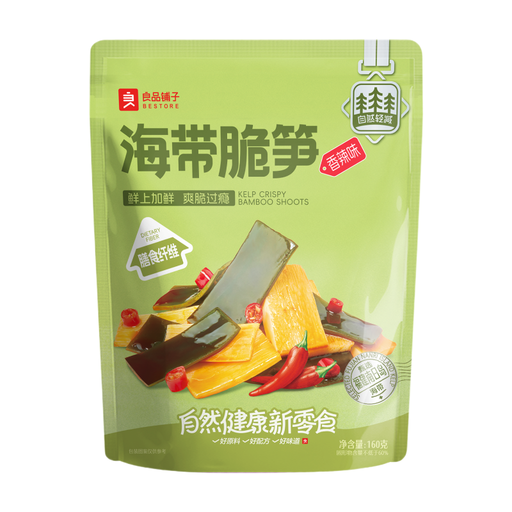
Why it fits this profile: This Asian snack combines kelp with bamboo shoots and suits anyone looking for more than a thin, roasted nori sheet.
The ingredient percentages make the composition clear: 49.5% kelp and 45.5% bamboo shoots. So the promised double crunch isn’t just on the front of the pack.
160g packet; ready to eat; suitable as a snack or side dish. Contains soya and states salt as 3.1g per 100g.
We’ve put together a full, up-to-date list of products that fully meet these strict selection criteria and comply with current European safety regulations.
Store the packet according to the label in a cool, dry place and seal it well. Roasted nori and seaweed chips lose their crispiness more quickly due to moisture. Some marinated kelp products need to be refrigerated after opening and used within the stated period.
That varies by product. Some packets state they are suitable for vegetarians, while tom yum or seafood snacks may contain ingredients such as shrimp powder, fish or squid. Always check the ingredients list and allergen information; the product name alone is not enough.
Follow the portion information and warnings on the packet. Some products state a recommended maximum amount due to the iodine content. The salt content also varies considerably between varieties. A small portion is therefore more practical than automatically eating the whole packet, especially with heavily seasoned kelp strips or snacks high in salt.
