
Vandaag of morgen in huis

Kwaliteit gegarandeerd

Welkomstaanbiedingen ontgrendelen: GRATIS bezorging | Tot 80% korting | Gratis 30 dagen JoyPlus-proefperiode
Download de app
The shelves, both physical and online, are packed with spicy products. From a classic hot sauce to exotic dried chillies, the choice is immense. But how do you know if you're buying a bottle of complex flavour or just a jar of pure, one-dimensional heat? Many home cooks and foodies fall into the same traps when choosing spicy products. We've listed the most common ones so your next purchase hits the mark.
Pitfall 1: Blindly trusting the "Extra Hot" label. Manufacturers love using terms like "extreme" or "hottest" to grab attention. However, these labels are not standardised. A "hot" sriracha might be mild to one person, while a "medium" sambal is too spicy for another. The actual heat depends on the type of chilli pepper and its concentration, not the marketing term on the bottle.
Pitfall 2: Paying for a brand, not the contents. Some expensive, artisanal-looking sauces contain surprisingly simple ingredients: often not much more than vinegar, water, sugar, and a small percentage of pepper. A glance at the ingredient list often reveals that you're paying for a pretty label, not a unique or high-quality product.
Pitfall 3: Buying a product that doesn't suit your cooking style. A bottle of smoky chipotle sauce might sound amazing, but if you primarily cook Asian dishes, it will likely sit unused in the fridge. The same goes for a large bag of Sichuan pepper if you rarely use its signature tingling flavour. The result is a waste of both money and product.
To avoid these pitfalls, it's helpful to base your choice on a few objective characteristics. This way, you'll have a better idea of what you're bringing home.
The form of the product determines its application in the kitchen.
A good spicy product offers more than just a burning sensation. Pay attention to the flavour description:
The ingredient list is your most important tool. Look for:
Based on these criteria, we have selected a number of products that suit different preferences and cooking styles.
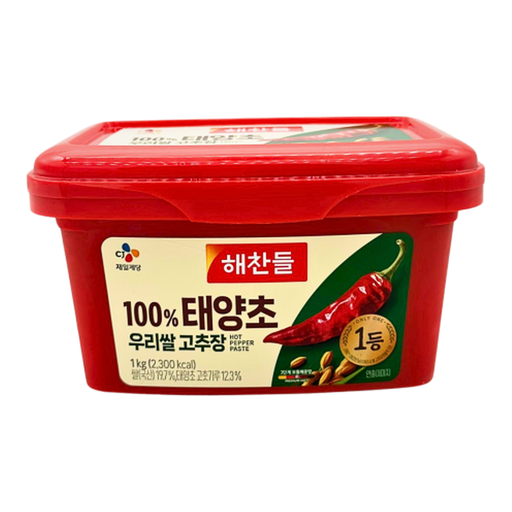
Why This Fits Their Persona: Perfect for those wanting to explore Korean cuisine. This paste is not only spicy but also sweet and savoury (umami) due to the fermentation of rice and soybeans. Ideal for bibimbap, tteokbokki, or as a base for a marinade.
This product focuses on a complex flavour profile rather than just heat. You're buying an authentic flavour base that adds depth, thus avoiding the pitfall of a one-dimensional 'hot' product.
Versatile paste form that mixes easily. Offers a balanced combination of spicy, sweet, and umami.
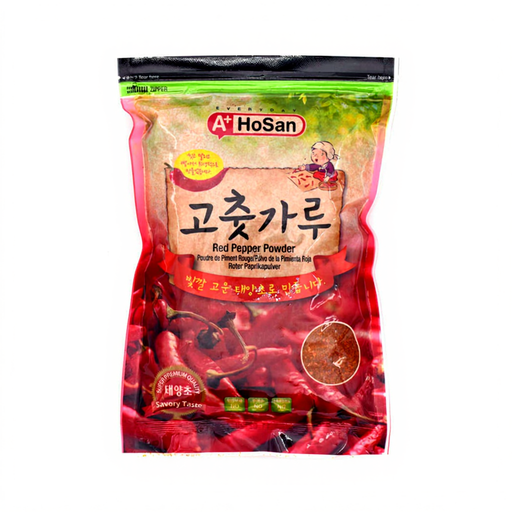
Why This Fits Their Persona: For the cook who wants pure, unadulterated heat and full control. This chilli powder is ideal for precisely building the spiciness of curries, stews, or homemade spice blends.
This product is 100% hot red pepper. No hidden sugars, salt, or fillers. You're paying for pure heat, not for an expensive brand with a misleading label.
Pure product with no additives. The powder form ensures even heat distribution in dishes.
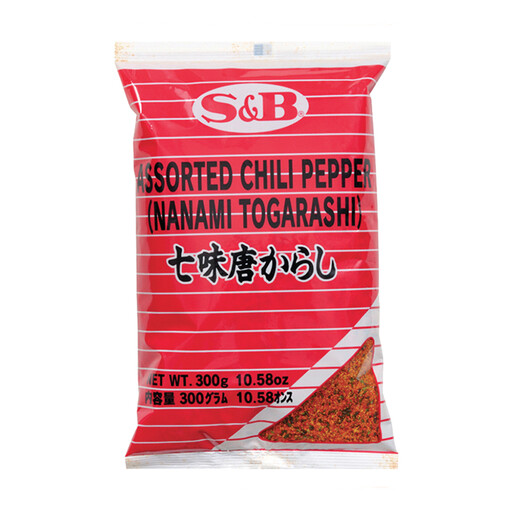
Why This Fits Their Persona: For the chef seeking a specific, layered flavour. This Japanese 7-spice blend (Shichimi Togarashi) combines chilli pepper with ingredients like sesame seeds, seaweed, and yuzu (citrus). Perfect as a finishing touch over noodles, rice, or grilled meat.
This product is specifically designed for a particular cuisine and flavour profile. It avoids the pitfall of a generic product by offering a unique, balanced blend of ingredients that suits a specific cooking style.
Complex and layered flavour profile with nutty, salty, and fresh citrus notes alongside the heat. Ready to use as a garnish.
We've compiled a complete, up-to-date list of products that meet these selection criteria.
How can I gauge a product's heat without a Scoville rating? Look at the ingredient list. The type of pepper (e.g., Jalape?o is milder than Habanero) and its position on the list provide a clue. If pepper is listed first, the product is likely spicier. Products from cuisines known for their heat, such as Sichuan or Thai, are also often a spicier choice.
What's the best way to store opened hot sauces and dried peppers? Hot sauces, especially those with less vinegar or salt, are best stored in the refrigerator after opening. This slows down the loss of flavour and colour. Dried spicy seasonings like chilli powder, chilli flakes, and whole peppers should be kept in an airtight container in a cool, dark, and dry place, such as a kitchen cupboard.
What is the difference between chilli powder and chilli flakes?Chilli powder is finely ground and dissolves easily in liquids, ensuring an even distribution of heat throughout a dish. Chilli flakes (also known as 'crushed red pepper') are coarser and provide texture in addition to heat. They are popular as a topping on pizza or pasta, where they create small, intense pockets of spice.
