
Vandaag of morgen in huis

Kwaliteit gegarandeerd

Welkomstaanbiedingen ontgrendelen: GRATIS bezorging | Tot 80% korting | Gratis 30 dagen JoyPlus-proefperiode
Download de app
Are you searching for that perfect kick for your dishes but feel overwhelmed by the options? The online selection of spicy products is vast, ranging from hot sauce to dried chili peppers. Unfortunately, this often leads to disappointment. As a Product Recommendation Officer at Joybuy, I see where things go wrong every day. Before you fill your shopping cart, it's wise to consider a few common pitfalls.
To make a good choice, it's helpful to pay attention to a few concrete specifications. This will help you see past the marketing and find a product that truly suits you.
The foundation of any spicy product is the pepper. The type and origin determine the flavour and the kind of heat.
The ingredient list tells the real story. When buying sambal, for example, pay attention to the ratio of peppers, salt, sugar, and vinegar. A good sambal oelek contains mainly peppers and salt. A sambal badjak is fried and often contains onion and other spices, giving it a richer, sweeter flavour.
The form is also important for its application:
To help you get started, we've highlighted a few products that suit specific preferences and cooking styles.
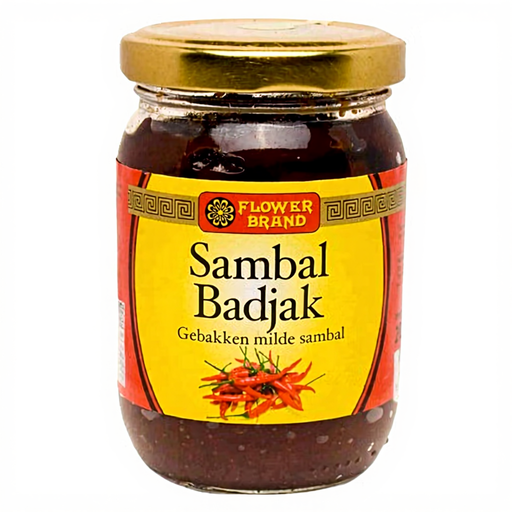
Why This Fits Their Persona: Perfect for those who want to start with Indonesian cuisine. This sambal is not only spicy but also rich and complex in flavour due to the fried onions and spices. A safe and versatile choice.
This product avoids the pitfall of one-dimensional heat. The flavour is balanced and not overwhelming, so you won't accidentally buy a product that's too extreme.
Fried (badjak) for a deep, smoky flavour. Suitable as a base for dishes and as a condiment.
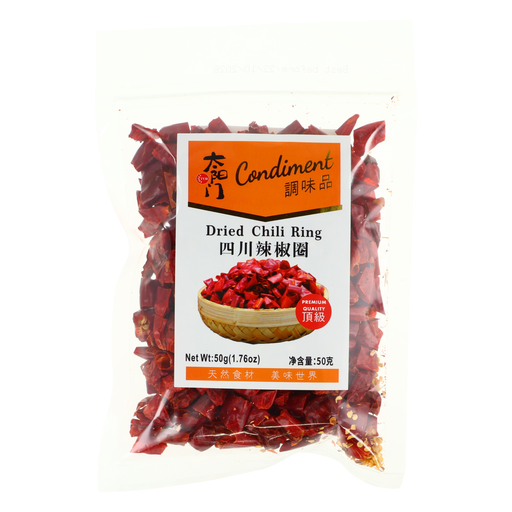
Why This Fits Their Persona: For the home cook looking for the signature flavour of Sichuan cuisine. These dried chili peppers are the base for making chili oil or for stir-frying in dishes.
This is not a generic "Asian" product. The description specifically mentions its use in Sichuan cuisine, helping you avoid the trap of a vague "authentic" claim.
Pure, dried peppers with no additives. Ideal for controlling the flavour and heat of your dish yourself.
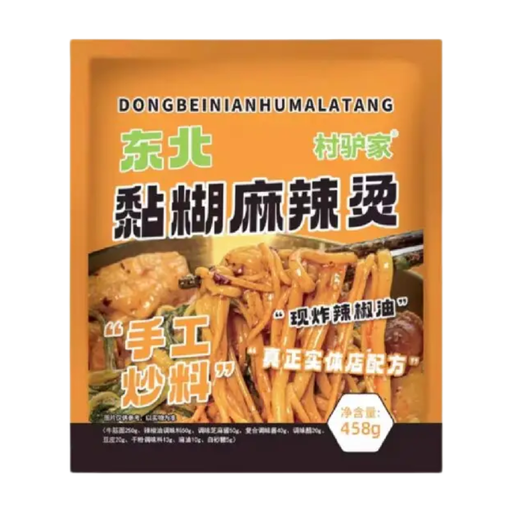
Why This Fits Their Persona: For those who want to enjoy a spicy meal quickly and without hassle. This ready-to-eat hot pot kit offers a complete, authentic flavour experience from Northeast China. No separate ingredients needed.
This kit prevents you from buying separate, specialized ingredients that you then don't know how to combine. It's a complete solution for a specific, spicy meal.
All-in-one kit for maximum convenience. Offers a specific, regional flavour that is difficult to replicate on your own.
From spicy snacks to the most intense hot sauces, there's always something new to discover. Check out our full range for more choices.
Most opened jars of sambal and hot sauce are best stored in the refrigerator. Due to their high salt and/or acid content, they have a long shelf life, but refrigeration helps to preserve their flavour and colour optimally. Always use a clean spoon to take contents from the jar. Store dried peppers in a dark, dry place in an airtight container.
The main difference lies in the preparation. Sambal oelek is a raw paste of ground peppers, salt, and sometimes a little vinegar. The flavour is pure, fresh, and immediately spicy. Sambal badjak is a fried sambal, often with the addition of onion, garlic, and other spices. This gives it a deeper, richer, and often slightly milder and sweeter flavour than oelek.
It is not recommended to eat dried chili peppers directly. They are very hard, and the heat is extremely concentrated. They are meant to release flavour during cooking, for example, by simmering them in a dish or by frying them in oil to create a flavourful base. After cooking, you can remove them from the dish if you wish.
