
Vandaag of morgen in huis

Kwaliteit gegarandeerd

Welkomstaanbiedingen ontgrendelen: GRATIS bezorging | Tot 80% korting | Gratis 30 dagen JoyPlus-proefperiode
Download de app
Spicy instant noodles are handy for a quick meal, late-night snack or cupboard staple. Yet many packs look very similar. A striking image of chillies tells you little about the actual flavour, portion size or preparation method. If you focus only on the word “spicy”, you could end up with noodles that are too salty, less hot than expected or inconvenient for when you plan to eat them.
The main pitfalls are:
First, check the preparation method. Spicy ramen and many Korean ramen products are prepared as soup. You cook the noodles together with seasoning or vegetable powder in water. This creates a warming broth and is ideal if you want a complete bowl of noodle soup.
With other products, such as buldak noodles and some Chinese instant noodles, you cook the noodles first and drain off most of the water. You then mix in a sauce and topping. This dry style often has a more concentrated flavour and less broth.
The country of origin also provides an initial indication:
In the selection mentioned, a portion weighs approximately between 96 and 170 grams. A single sachet is practical for one quick meal, while an instant noodle multipack may offer better value for students, families or noodle lovers who eat them regularly.
Pay attention to the difference between:
A box of 20 sachets, such as Nongshim Shin Ramyun Spicy Chicken, is mainly intended for frequent use. A five-pack, such as Ottogi Jin Ramen Spicy, gives you the opportunity to try a flavour first without buying a large supply.
Check how many sachets are included in the pack. A product containing only seasoning powder works differently from a variety with separate powder, chilli oil, sauce and dried vegetables.
With the Hefu noodles, cook the semi-dried noodles for three to five minutes, heat the broth and combine the two. HUI JI Youyimian Sichuan Pepper Noodles are boiled and then mixed with sauce, sesame and Sichuan pepper. These are practical differences that affect preparation time, washing-up and the final flavour.
Compare the nutritional values per 100 grams as well as the portion size. The salt levels listed in the product specifications vary considerably. Bai Xiang Classic Spicy Beef, for example, states 4 grams of salt per 100 grams, while the halal variety states 7.4 grams per 100 grams. Bai Xiang’s cup variety lists 6.5 grams of salt per portion. Use the information on the current packaging as your guide, as recipes and labels can change.
Also check the allergen list. Many varieties contain gluten from wheat and soya. Sesame is found in, among other things, sauce and topping mixes. Some products also mention possible traces of egg, fish, peanuts, milk, celery, crustaceans or molluscs. If you have an allergy or intolerance, it is sensible to read the physical label before preparing the product.
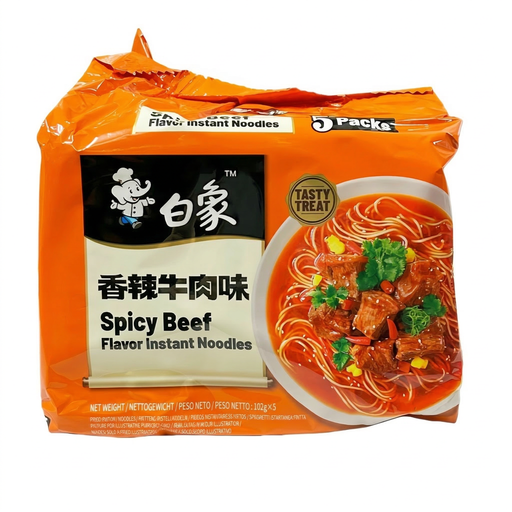
Why it suits this profile: The five individual sachets are a straightforward option for anyone looking for an affordable supply without immediately buying a large box.
The pack states 510 grams in total and 102 grams per sachet. The instructions specify a preparation time of four to five minutes with boiling water.
Five individual portions, beef flavour according to the product name and simple bowl preparation.
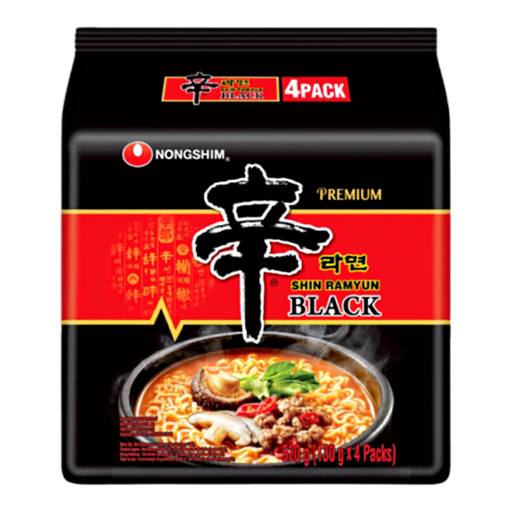
Why it suits this profile: If you are looking for a larger portion and a richer soup, you get four 130-gram sachets with several flavour components.
The product specification lists separate soup and vegetable ingredients, along with allergen information. This makes it easier to assess the flavour and suitability in advance.
Four 130-gram portions, produced in South Korea, with dried vegetables and broth preparation.
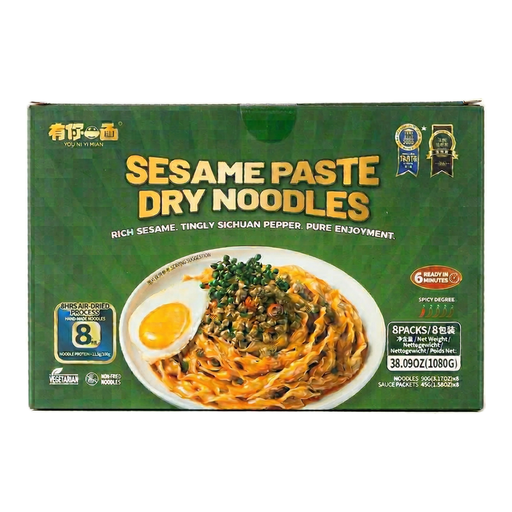
Why it suits this profile: This option is aimed at Sichuan noodle enthusiasts looking for a dry preparation with chilli, sesame and Sichuan pepper.
The flavour profile is clearly stated in the product name and ingredients list. The eight portions make the total quantity clear in advance.
1,080 grams in total, broad noodles according to the product description and a preparation time of five to eight minutes.
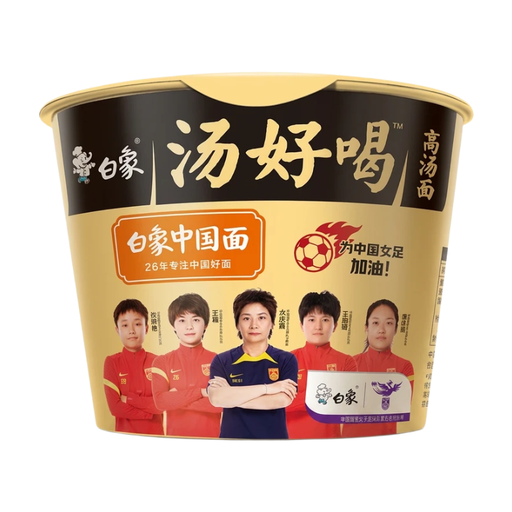
Why it suits this profile: The cup format is practical when you have limited kitchen equipment or want a quick meal at work, while studying or when travelling.
The box contains twelve 107-gram cups. This tells you both the number of meals and the size of each portion in advance.
Twelve individual cups, soup preparation with approximately 500 ml of boiling water and several seasoning components.
We have put together a complete, up-to-date list of products that fully meet these strict selection criteria and the applicable European safety regulations.
Always read the instructions on the packaging. With soup noodles, the amount of water is important for the final saltiness and flavour intensity. With dry varieties, the amount of cooking water you retain affects how easily the sauce mixes in. Add chilli oil gradually if you want to adjust the intensity. An egg, spring onion, sweetcorn or fresh vegetables can add extra texture, but will also change the overall nutritional value and portion size.
Store unopened packs in a cool, dry place away from direct sunlight and moisture. Check the best-before date and do not use damaged packaging. Once prepared, instant noodles are best eaten immediately.
Do not add all the chilli oil or sauce straight away. With soup noodles, you can add a little more water, although this will make the broth less concentrated. Extra noodles, egg or vegetables change the ratio between sauce and meal, which can make the flavour milder.
Unopened instant noodles generally have a long shelf life, but the relevant date is shown on the packaging. Store them somewhere dry and cool, away from direct sunlight. Always check the actual label after purchase, particularly with large multipacks.
This varies by product. Some Bai Xiang varieties are marketed as halal, while other products list ingredients such as pork bone, fish or unspecified flavourings. Therefore, check both for a halal certification mark and the full ingredients list.
