
Vandaag of morgen in huis

Kwaliteit gegarandeerd

Welkomstaanbiedingen ontgrendelen: GRATIS bezorging | Tot 80% korting | Gratis 30 dagen JoyPlus-proefperiode
Download de app
Spicy instant noodles are handy for a quick meal, but the differences between sachets, cups and multipacks are significant. One variety comes with a dry seasoning mix, another with a concentrated sauce. Preparation time, portion size and allergen information can also vary greatly from product to product.
If you only rely on a picture of red chillies or the term “extra spicy”, you could end up buying a product that doesn’t suit your taste or your store cupboard. With this practical guide, you’ll focus on the points that really matter for British households.
There is no universal European scale that all brands use to compare the heat of instant noodles. “Hot”, “fire” or “volcano” are often part of the product name or marketing. They don’t give an exact, measurable score.
Instead, look at the type of flavouring:
According to Samyang’s own product information, Buldak varieties are described as spicy chicken noodles. The exact taste experience remains personal and also depends on how much sauce or powder you use.
An instant noodle multipack is practical for students, families or a well-stocked cupboard, but first check the number of portions and the weight per portion. A pack of five sachets can be a different size from a set of ten or twenty.
Also pay attention to the best-before date. Some deals involve products with a short remaining shelf life. For example, the Samyang 4 Flavours Cheese Fire Chicken Noodle explicitly states that the best-before date may be short. Always check the packaging before consuming.
Not every variety is ready with just hot water. Baijia A'KUAN Broad Noodle states 5 to 6 minutes of steeping in boiling water. According to the product information, Luobawang Snail Noodles require 8 to 10 minutes of cooking for the rice noodles, after which the soup base is mixed separately.
Also check allergens. Many Korean ramen varieties contain wheat and soya. Cheese and carbonara varieties may contain milk. Luobawang lists peanut and soya among others, while Yuanxianxian sweet potato noodles contain peanut and sesame. Always use the label on the packaging you receive as a guide; packaging information can change.
Wheat noodles are common in Korean ramen and often give a firm, springy bite. Rice noodles and sweet potato noodles have a different texture. The Yuanxianxian variety uses sweet potato starch, while Luobawang contains rice noodles.
Wide noodles, such as with Baijia A'KUAN, hold a relatively large amount of sauce. That suits a dry, stir-fry-style preparation. For a broth-based meal, you’d be better off choosing a product that is explicitly prepared as noodle soup, such as Nongshim Shin Ramyun.
Compare three practical points:
Follow the instructions on the packaging. Especially with noodles that have separate sachets of sauce, oil and vegetables, the order determines the final texture.
Nutritional values are usually given per 100 grams, whereas a sachet often weighs more than 100 grams. According to the product information, Nongshim Shin Ramyun has a portion of 120 grams and Samyang Buldak Carbonara a portion of 130 grams. So compare the whole sachet, not just the table per 100 grams.
If you have allergies or dietary preferences, check for wheat, soya, milk, sesame, peanut, egg, crustaceans and celery. You should also check the current packaging for any mention of “halal” or “suitable for vegetarians”.
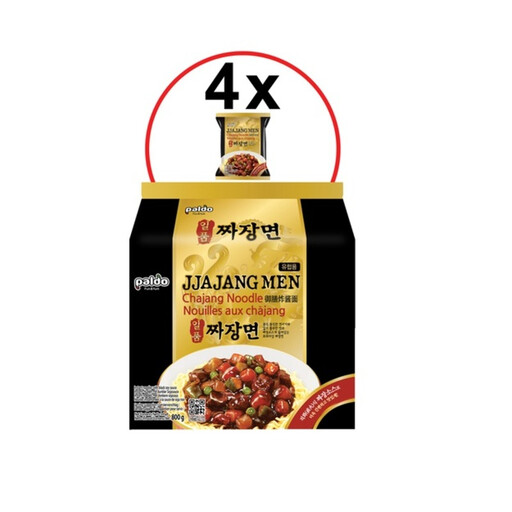
Why this fits the profile: The set contains four portions of 200 grams and works as an introduction to Korean stir-fry noodles with a sweet and spicy black bean sauce.
The preparation states 3 to 4 minutes of boiling, rinsing and then mixing with sauce. This makes it clear that it is not a regular soup noodle.
Four portions; 200 grams per pack; suitable for stir-fry preparation.
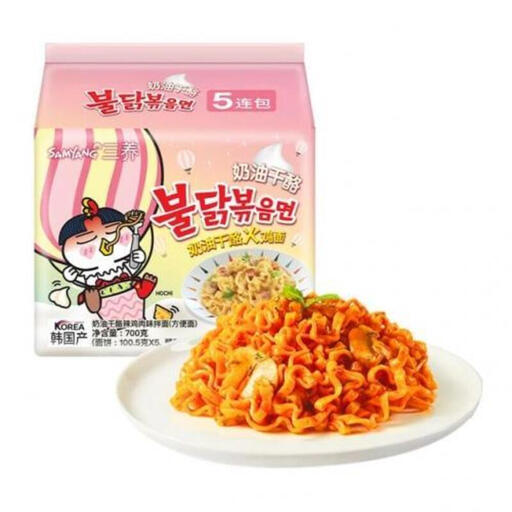
Why this fits the profile: According to the product description, these Korean instant noodles combine chilli with carbonara and cheese flavour, for those looking for more than just sharp heat.
The pack contains a separate sauce and powder mix. Do check for milk, soya and gluten if you avoid these allergens.
Five sachets of 140 grams; sauce and powder components; halal stated in the product information.
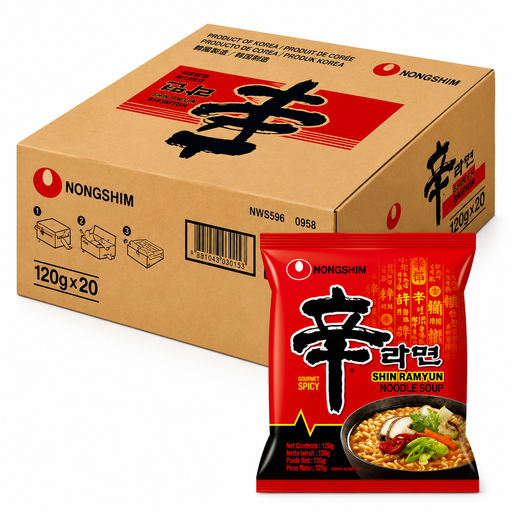
Why this fits the profile: The box of twenty portions is practical for a shared household, student kitchen or regular stock.
The preparation instructions are specific: 500 ml of water and around 4 to 5 minutes of boiling. So you know a pan is needed.
Twenty portions of 120 grams; broth preparation; adding egg, vegetables or meat is possible.
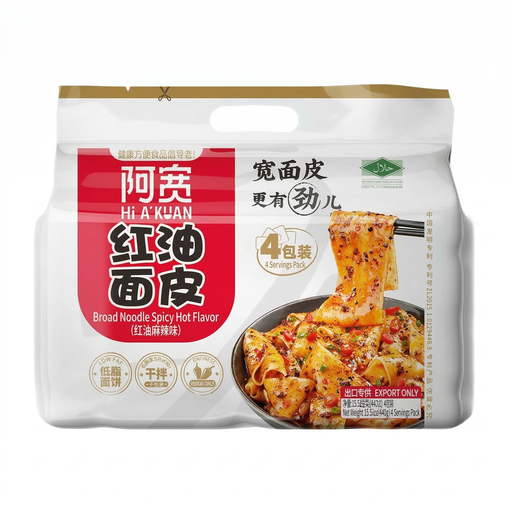
Why this fits the profile: The wide noodles and red chilli oil suit those who want to try Chinese Sichuan-style noodles with a hearty, sauce-rich texture.
The instructions explicitly state 5 to 6 minutes of steeping and draining the water completely before adding the sauce.
440 grams total; wide noodles; separate sauce and seasoning; wheat and soya allergens clearly stated.
We’ve put together a full, up-to-date list of products that fully meet these strict selection criteria and current European safety regulations.
Don’t use the whole sachet of chilli oil or sauce straight away. Add a portion first and mix well. You can also combine the noodles with extra vegetables, egg or a neutral topping. Do check whether the preparation method requires some of the cooking water to be kept.
The shelf life varies by product and batch. Store unopened packs in a cool, dry place away from direct sunlight. Always check the date on the packaging. After preparation, the product information for several varieties advises consuming the dish immediately and not storing it.
That’s not standard. Korean Buldak noodles often use a concentrated sauce, while Chinese varieties may work with chilli oil, vinegar, Sichuan pepper or a spicy broth. The perceived heat depends on the recipe, the amount of sauce and personal taste. So look at ingredients, preparation method and portion size rather than just the country of origin.
