
Vandaag of morgen in huis

Kwaliteit gegarandeerd

Welkomstaanbiedingen ontgrendelen: GRATIS bezorging | Tot 80% korting | Gratis 30 dagen JoyPlus-proefperiode
Download de app
Fancy a quick meal with a kick of chilli, but can’t tell the difference between all those Korean instant noodles, Sichuan noodles and spicy ramen? The packaging often promises “authentic” flavour and extra heat. Yet a striking picture tells you very little about the preparation method, portion size or allergens.
With this practical guide, you can focus on what’s verifiable: the type of noodle, the quantity, the seasoning sachets and how you prepare the product. That way, you can make a more informed choice when you want to buy spicy instant noodles for home, the office or on the go.
One bowl contains a powerful broth, while another relies mainly on chilli oil or a thick sauce. With mala noodles, Sichuan pepper also plays a role. It adds a tingling or numbing sensation to the heat. If you’re actually after a sour, tangy flavour, you’re better off looking at noodles with chilli and vinegar, such as Sichuan-style vermicelli.
An instant ramen cup weighing 65 to 80 grams is usually intended as a single portion or snack. A bowl of around 100 to 115 grams typically contains more noodles and seasoning, but always check the net weight. A multipack of cups can seem good value, even though the portions per cup are smaller.
Not every noodle soup in a cup is prepared the same way. With some products, you add water and let the broth steep. Other varieties need to be drained before you mix in the oil and sauce. Always follow the instructions on the packet. With a drained preparation, you get a concentrated sauce; with a soup version, the cooking water remains part of the dish.
Wheat noodles are common in Korean ramen and many Asian noodles. They are often firm and springy. Rice vermicelli has a different bite. The Baijia Sour & Hot Bowl uses a noodle made from corn and sweet potato starch, while A Kuan offers wide, thin wheat noodles.
Also note whether the noodles are fried or non-fried. This affects the texture and nutritional values. The product information doesn’t always state this on the front, so check the ingredients list and nutrition table.
Don’t just compare the figures per 100 grams; also look at the values per full portion. A 105-gram bowl is not the same as a 68-gram cup. Pay particular attention to salt, fat and saturated fat if you eat instant noodles several times a week. Nutritional values vary by recipe and can change, so use the packet as your up-to-date source.
Many spicy ramen contain wheat and soya. Other products also contain milk, egg, sesame, mustard, peanuts or chicken derivatives. Check the allergen information before buying, especially with blended flavours such as cheese, carbonara or kung pao.
Also consider the equipment you’ll need. A classic cup requires boiling water, while some udon bowls are prepared in the microwave. A microwave-friendly option is handy at the office, but only if the preparation instructions and packaging material are suitable.
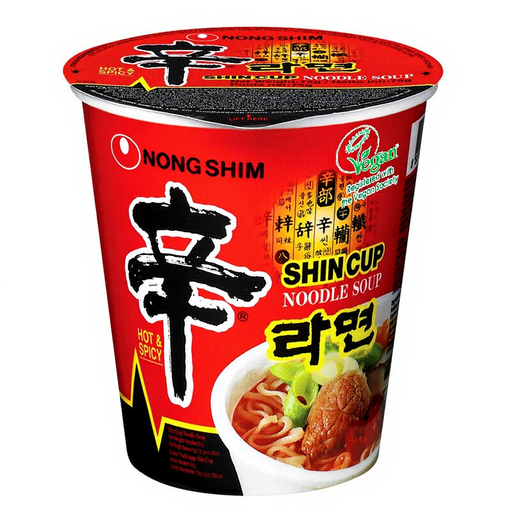
Why this fits the profile: A compact cup for students, a lunch break or a quick snack. You only need boiling water, and the stated preparation time is around 3 to 5 minutes.
The net weight of 68 grams is clearly stated. This allows you to compare this cup fairly with larger bowls and multipacks.
Korean broth style, 68 grams per cup and simple preparation with hot water.
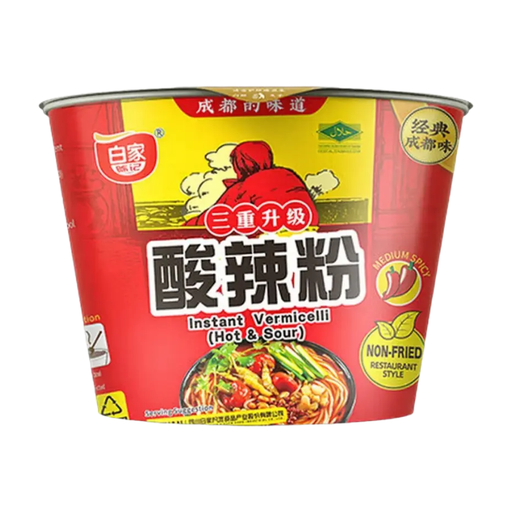
Why this fits the profile: For lovers of a distinctive Sichuan profile with sourness, chilli oil and a firm vermicelli texture.
The flavour profile isn’t based solely on chilli: the description lists fermented vinegar, chilli oil and Sichuan pepper oil separately.
105 grams, five to six minutes soaking time and a clear division into sauce, oil and powder sachets.
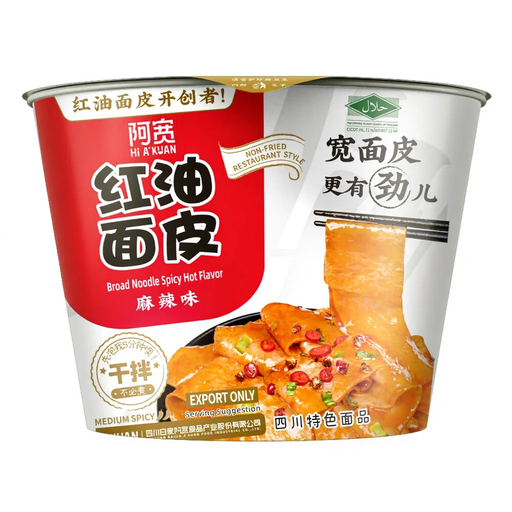
Why this fits the profile: Ideal for those who want wide, springy noodles and the tingling character of mala, combined with extra toppings.
The instructions state that you should drain the water after soaking. This keeps the oil and seasoning mix concentrated rather than diluted.
Non-fried wide noodles, 110 grams per bowl and room for vegetables, egg or peanuts as a topping.
An instant noodle meal can easily be bulked up with pak choi, spring onions, sweetcorn, a boiled egg or tofu. Add fresh ingredients only when the noodles are nearly ready, so they don’t go completely limp. With a strong sauce, use part of the sachet first and add more later. This is especially handy with Samyang Buldak noodles and other Korean instant noodles with concentrated chilli sauce.
Store unopened products according to the label in a dry, cool place. Check the best-before date and the packaging before use. If the packaging is damaged, there’s an unusual smell or moisture inside the cup, it’s best not to use the product.
We’ve put together a full, up-to-date list of products that fully meet these strict selection criteria and comply with current European safety regulations.
Use the amount of water and the soaking time stated on the packet. Set a timer and only stir after the specified time has elapsed. For noodles that need to be drained, remove the water completely before adding the sauce.
Unopened instant noodles generally remain edible until the date on the packet, provided they are stored in a dry place that isn’t too warm. The exact shelf life varies by product. Once opened, prepare the contents immediately and don’t save individual seasoning sachets for later use.
That depends on the brand, portion size, packaging and the number of sachets. A multipack can reduce the price per portion, while a larger bowl offers more content. So compare the price per 100 grams and the portion size before you decide.
