
Vandaag of morgen in huis

Kwaliteit gegarandeerd

Welkomstaanbiedingen ontgrendelen: GRATIS bezorging | Tot 80% korting | Gratis 30 dagen JoyPlus-proefperiode
Download de app
Spicy instant noodles are handy for a quick lunch, a late-night snack or stocking your cupboard. But they can vary widely in texture, preparation method, portion size and heat level. Eye-catching packaging doesn’t tell you much about what you’ll actually get in the bowl.
There are three common pitfalls worth watching out for:
Texture plays a big part in the eating experience. Wide noodles and noodle sheets are often springy and soak up plenty of sauce. For example, A Kuan products use wide, thin noodles which, according to the product description, are not fried. Other products contain wheat noodles, udon, potato starch noodles or sweet potato noodles.
Keep the following in mind:
When you’re making a quick Asian meal, the difference between soaking and boiling matters. A Kuan Red Oil Broad Noodle – Mala is prepared by adding boiling water and leaving it covered for around 5 to 6 minutes. The packaging for A Kuan Red Oil Noodles Spicy and Sour says to soak the noodles in boiling water for around 2 minutes, then drain them.
Other options need a pan:
Also check whether you need to keep the cooking water. Some noodles use a little of it to thin the sauce.
Check the ingredients list before you order. Many spicy instant noodles contain wheat, soya, sesame or mustard. Some varieties also contain peanuts. This is particularly important if you’re buying for more than one person.
Flavourings vary widely:
Also check the salt content per portion. For example, the product information for Wu Gu Dao Chang lists 2,100 mg of sodium per 97-gram portion. Values can vary significantly between brands, sauce sachets and portion sizes.
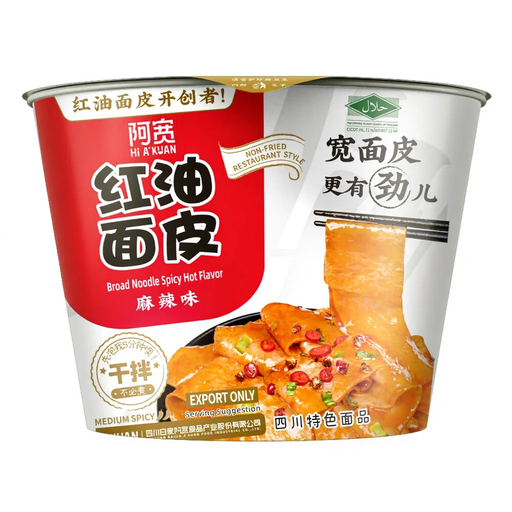
Why it suits this profile: A single serving is a good way to try the mala flavour with wide noodles before buying a multipack.
The preparation method is straightforward: soak for 5–6 minutes, drain, then add the sachets. This helps keep the sauce from becoming too watery.
Wide, non-fried noodles; chilli oil, vinegar and Sichuan pepper in separate sachets.
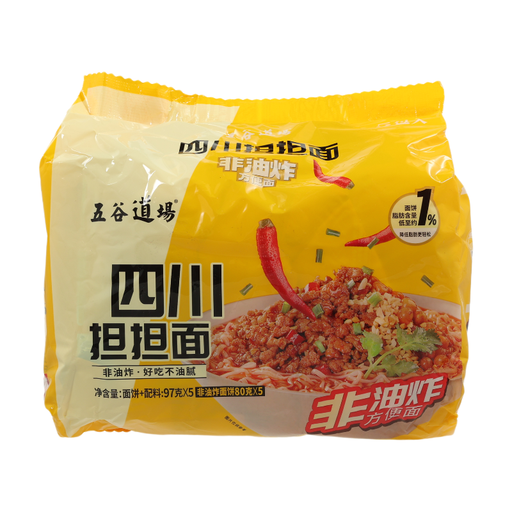
Why it suits this profile: The pack contains five portions with a Sichuan flavour profile of chilli, soya sauce and Sichuan pepper, making it a handy choice for dan dan noodle fans.
The multipack states the number of portions and the weight per pack, helping you plan your stock and budget.
Five individual portions; sauce with chilli oil and Sichuan pepper; clear nutritional information per portion.
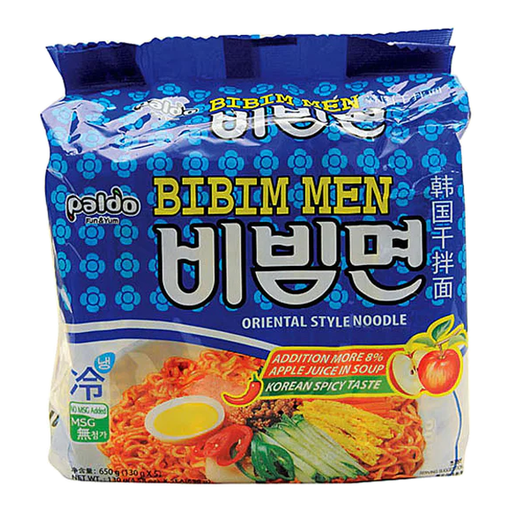
Why it suits this profile: These spicy cold noodles are a good choice if you’re specifically looking for a cold preparation, with a sweet and spicy sauce and chewy noodles.
The instructions specify 600 ml of boiling water, 3 minutes of cooking, then rinsing with cold water. This makes the preparation method clear.
Five 130-gram packs; sauce with gochujang, vinegar, chilli and sesame seeds.
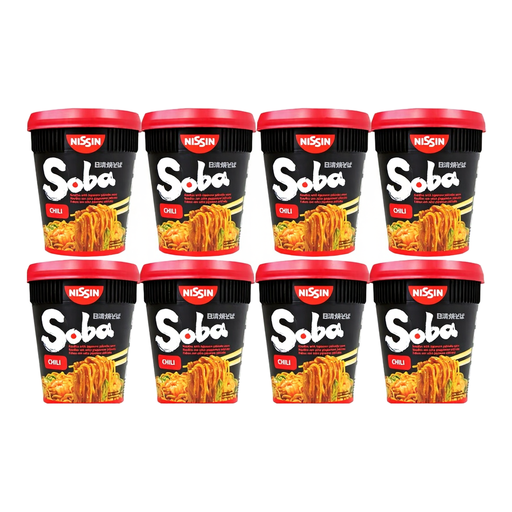
Why it suits this profile: The eight individual instant noodle cups are handy when you have access to hot water at work, while studying or on the go.
The portions are individually packed and the cup means you don’t need a pan or bowl. Just check that you have enough hot water available.
Eight individual 92-gram cups; chilli soba noodles with cabbage and red pepper, according to the product description.
We’ve put together a complete, up-to-date list of products that meet these strict selection criteria and current European safety regulations.
Always use boiling water when instructed on the packaging. Drain the noodles thoroughly before adding chilli oil or powder to keep the sauce concentrated. You can top up your bowl with spring onion, cucumber, egg, tofu or vegetables. Taste the noodles before adding extra chilli oil.
Store unopened packs in a cool, dry place, away from direct sunlight and moisture. Check the best-before date and use an opened product straight after preparation. If you have a multipack, it’s a good idea to use the oldest pack first.
Don’t add all the oil or powder straight away. Start with some of it and, if needed, thin the sauce with a little cooking water. Cucumber, egg, tofu or extra noodles can mellow the flavour, so you don’t have to throw the whole dish away.
They’re convenient when you’re short on time, but nutritional values vary by product. Check the portion size, salt, fat and protein on the label. Adding vegetables and a protein-rich ingredient can make the meal more substantial.
The exact shelf life is shown on the packaging. Unopened noodles will generally keep until the stated date if stored in a cool, dry place away from direct sunlight. Once opened or mixed with sauce, it’s best to eat them straight away.
