
Vandaag of morgen in huis

Kwaliteit gegarandeerd

Welkomstaanbiedingen ontgrendelen: GRATIS bezorging | Tot 80% korting | Gratis 30 dagen JoyPlus-proefperiode
Download de app
Spicy instant noodles are handy for a quick meal, a desk drawer stash, or a late-night snack. But Asian instant noodles vary widely in flavour, texture, portion size, and preparation. A flashy packet or a term like “extra hot” doesn’t always tell you what you’re actually getting.
A high level of spiciness doesn’t automatically make a product more flavourful. Korean ramen, such as buldak noodles, often uses a thick sauce with sweet, savoury, and spicy notes. Sichuan noodles frequently add sourness, chilli oil, and the slightly numbing effect of Sichuan pepper. So don’t just look for words like “hot” or “fire” — check what seasonings are actually in there.
A single sachet of 95 to 135 grams is suitable for one meal. A multipack may seem better value, but always check the number of sachets and the net weight. A box of 40 portions, like the Samyang Buldak Hot Chicken Carbonara Ramen, is really only practical if you eat noodles regularly or want to stock up.
Many Chinese noodles and Korean ramen contain wheat, gluten, soya, and sesame. Some varieties also include milk, egg, peanuts, celery, or sulphites. Check the product packaging if you have an allergy or intolerance. The salt content can also vary from product to product. The stated nutritional values are usually per 100 grams — that’s not always the same as one full portion.
Korean ramen often comes with a sauce that you stir through the noodles after cooking. Buldak noodles are known for their strong chicken-like flavour and high heat. A creamy variant, such as carbonara, can combine spiciness with a softer, richer sauce.
Sichuan noodles and Chongqing noodles typically use chilli oil, vinegar, sesame, or Sichuan pepper. So alongside the heat, you get sourness, aroma, and a slightly tingling sensation in the mouth. Products labelled as hot and sour noodles are usually a logical choice if you’re after more than just chilli.
Check whether the product contains wide, flat noodles, thin wheat noodles, udon, or sweet potato noodles. Wide noodles tend to hold more sauce. Sweet potato noodles are often elastic and more transparent in structure.
Cooking time is usually between 2 and 6 minutes. Some products are cooked in a pan, while others are simply covered with boiling water. For dry noodles, you generally need to drain the water completely before adding the sauce. Follow the instructions on the packet, especially for products with multiple sachets.
For regular use, a multipack is usually more practical than individual portions. Compare the price per sachet, not just the price of the whole pack. Also pay attention to the best-before date, storage instructions, and how much space a large pack will take up.
A product like Kuai Lai Kuai Wang Sichuan Dan Dan Noodles comes as 1.816 kg of dry noodles without a complete sauce set. That could be interesting for heavy users who add their own toppings and seasonings, but less suitable if you’re expecting a ready-to-eat meal.
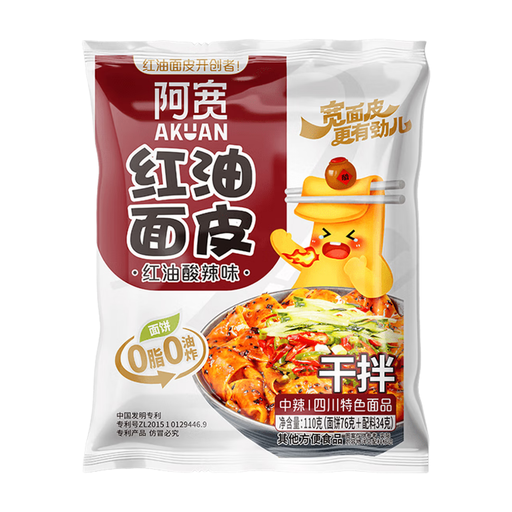
Why this fits the profile: This portion combines spicy chilli oil with vinegar and wide wheat noodles. That gives you a clear flavour profile without having to buy a large bulk pack.
The product information lists separate sachets for chilli oil, seasoning, and fermented vinegar. So you can partly adjust the intensity.
Wide, chewy wheat noodles; preparation with 350 ml of boiling water and about 2 minutes waiting time.
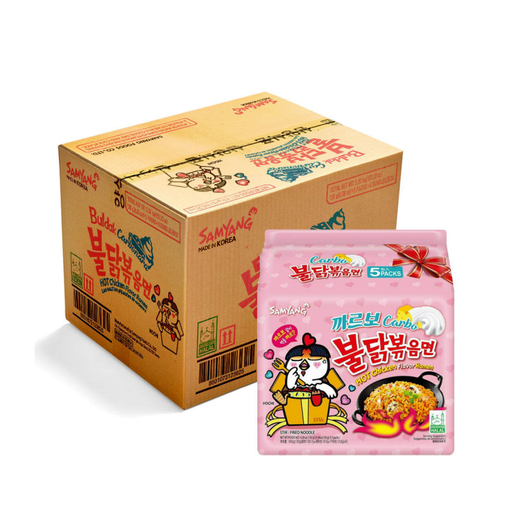
Why this fits the profile: The combination of a thick spicy sauce, chicken-like flavour, and carbonara profile suits fans of Korean ramen with a rich texture.
The size clearly states 40 packs of 130 grams. So you know upfront that this is a bulk buy, not a single test portion.
130 grams per sachet; cooking takes about 5 minutes according to the product instructions, followed by stirring over a low heat.
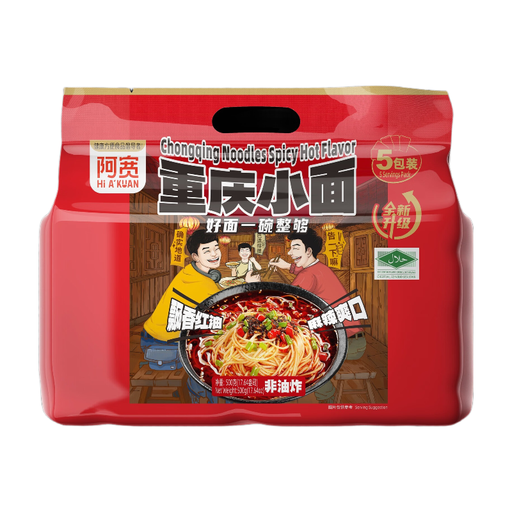
Why this fits the profile: Five sachets of 100 grams each are ideal for anyone who eats Chongqing noodles regularly and wants to control the amount of chilli oil themselves.
The chilli oil is added separately. So you don’t have to use the full amount straight away.
5 × 100 grams; noodles cook in 3 to 4 minutes according to the description; separate broth, oil, and vegetable sachets.
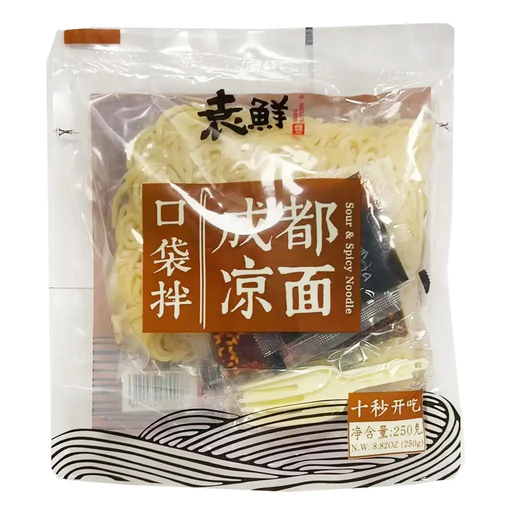
Why this fits the profile: The product description focuses on Chengdu-style cold noodles with chilli, vinegar, and Sichuan pepper. The noodles are mixed rather than eaten as a soup.
The sauce and toppings are mixed in separately. This means you can adjust the ratio of noodles, sauce, and spicy ingredients.
250 grams per pack; pre-cooked noodles; sauce, toppings, and seasonings are mixed straight through the noodles.
We’ve put together a full, up-to-date list of products that fully meet these strict selection criteria and comply with current European safety regulations.
First, use only part of the chilli oil or sauce. With dry noodles, you can also add extra noodles, egg, vegetables, or a small amount of sesame paste. Do check the allergens of any extra ingredients.
Store unopened packs in a cool, dry place, away from sunlight and moisture. Always check the best-before date on the packaging. Once cooked, eat the noodles straight away; only keep leftovers if the product instructions allow it.
Choose a product with a cooking time of about 2 to 5 minutes and clear sachets for sauce and toppings. If you want soup, go for ramen with broth. If you prefer a thicker sauce, look at Korean stir-fried noodles, Sichuan noodles, or dry Chongqing noodles.
