
Vandaag of morgen in huis

Kwaliteit gegarandeerd

Welkomstaanbiedingen ontgrendelen: GRATIS bezorging | Tot 80% korting | Gratis 30 dagen JoyPlus-proefperiode
Download de app
Fancy some spicy instant noodles, but can't decide between Chinese instant noodles, Korean ramen or a multipack? The packaging often tells you mostly about how intense the flavour is supposed to be. For a good purchase, practical details matter more: how many noodles do you get, how do you prepare them, and what ingredients or allergens do they contain?
Spiciness can come from chilli, chilli extract or a seasoned oil. With Sichuan noodles, Sichuan pepper also plays a role. It creates a tingling or numbing sensation in the mouth, also known as mala. That's quite different from just a lot of chilli.
A product described as "spicy and sour" often contains a separate vinegar sachet. This lets you control the sourness, but the dish can turn out differently from a dry noodle with just red oil. So check whether you're looking for mala noodles, hot and sour noodles, red oil noodles or a spicy broth.
A box of 440 or 460 grams might contain four separate servings. That's handy for stocking up, but it doesn't automatically mean one serving is bigger than a pot of 110 or 115 grams. Look at the number of sachets and the weight per serving.
For students and busy workers, multipacks are practical, whereas a single pot is better if you want to try a flavour first. Also check the best-before date and store the packaging according to the label, usually in a dry place away from direct sunlight.
Many wide noodles only need to soak in boiling water, but other varieties need to be boiled or cooked in the microwave. A preparation time of five to six minutes in a bowl is not the same as three to four minutes of boiling in a pan.
Also check whether you need to drain the water. With dry red oil noodles, the water is usually drained completely before you add the oil, vinegar and powder. With Chongqing noodles that have a soup base, some of the cooking water stays in the dish.
Wide noodles or noodle sheets hold thick sauces well and usually have a firm, springy bite. They work well with Sichuan and Chongqing styles, where chilli oil and spices are added directly to the noodles.
Korean instant noodles are often rounder and thicker, with a soup base or a sticky sauce. Udon has an even thicker, softer texture. If you want a dish with plenty of sauce, it's better to look at wide or udon noodles than a thin noodle in broth.
Check whether the packaging contains separate sachets for:
Separate sachets give you more control over the intensity. You can, for example, use part of the oil first and add more later. With spicy ramen in a cup, the dosing is often simpler: add hot water, wait and eat straight away.
According to A'Kuan's own product information, various red oil varieties contain chilli oil, Sichuan pepper, vinegar and sesame. This supports a flavour profile that is spicy, aromatic and sometimes tingling, but the exact experience depends on the amount of spices and oil used.
Always compare nutritional values per 100 grams and per package. With some products, the stated value differs depending on the preparation. Pay particular attention to salt, fat and energy when you're buying multiple servings in stock or eating instant noodles regularly.
Also check the allergens. Many products in this category contain wheat/gluten, soya and sesame. Other varieties may contain peanut, egg, fish, milk or sulphites. The product page is useful as a first check, but always read the label on the packaging you receive before consumption. The manufacturer may change the recipe or packaging.
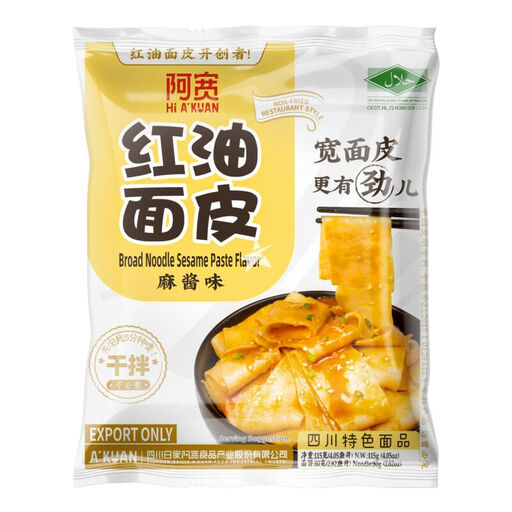
Why this fits the profile: This single serving is suitable if you want to try wide Sichuan noodles without buying a large stock straight away. According to the product information, preparation takes 5–6 minutes.
The portion size is clearly stated, and the sesame paste, chilli oil and vinegar come in separate sachets. This allows you to build up the flavour step by step.
Wide, non-fried noodles according to the product description; 115 g per pack; allergens include wheat, soya and sesame.
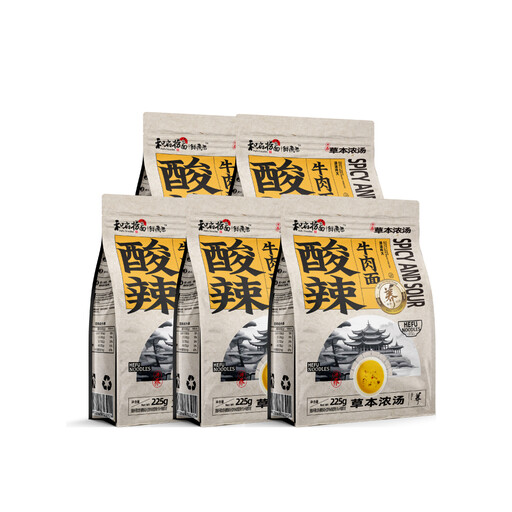
Why this fits the profile: This set is designed for those looking for a more substantial meal with noodles, soup, beef and pickled vegetables. The pack contains five servings of 225 g.
It's not a small snack portion presented as a full meal. The contents and preparation steps are specified for each component.
Five servings; non-fried semi-dry noodles according to the product information; beef component stated as 75% meat within that part.
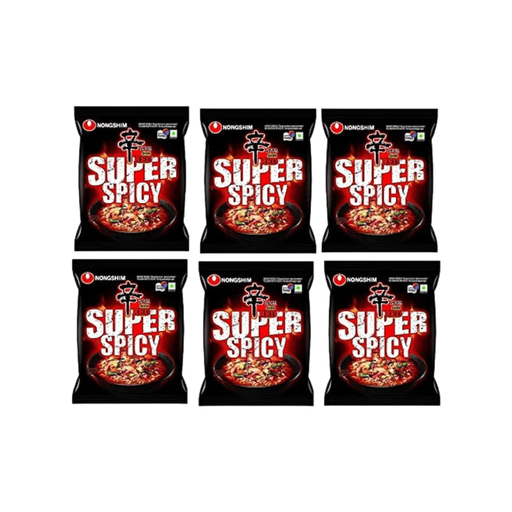
Why this fits the profile: A stock of six servings suits fans of Korean instant noodles who want to prepare a quick noodle soup regularly.
The multipack states six individual sachets of 120 g. So you're not paying just for a large outer pack without a clear portion breakdown.
Six servings of 120 g; Korean style with soup base; according to the product information, contains wheat, fish and soya among other ingredients.
We've put together a full, up-to-date list of products that fully meet these strict selection criteria and comply with current European safety regulations.
That varies by recipe. Chongqing noodles and Sichuan noodles often contain chilli oil and Sichuan pepper, which can make them taste both hot and tingling. Start with part of the oil or powder sachet if you're not familiar with the product.
Yes, many varieties are ready in just a few minutes. A cup like Nongshim Red Super Spicy mainly needs hot water. Other products require boiling or draining. So check the preparation method before you order, especially if you plan to use them at the office or in a student room.
Follow the best-before date on the packaging and store unopened products in a cool, dry place away from direct sunlight. After opening or mixing, you must follow the instructions on the label. Products with fresh or semi-dry components may have different storage rules than dry noodle sachets.
