
Vandaag of morgen in huis

Kwaliteit gegarandeerd

Welkomstaanbiedingen ontgrendelen: GRATIS bezorging | Tot 80% korting | Gratis 30 dagen JoyPlus-proefperiode
Download de app
A bowl of spicy instant noodles is quick to prepare, but not every pack will suit your taste, portion size or store cupboard. If you rely solely on eye-catching packaging or a name like “extra spicy”, you could end up with an overly salty meal, an awkward preparation method, or a multipack that doesn't quite fit your household.
As a Joybuy Product Recommendation Officer, I've filtered the most important product information in a practical way. This will help you compare Korean ramen, Chinese instant noodles, Japanese instant noodles and other spicy noodles based on verifiable features.
A product can be very hot but lack depth. So don't just look for words like “volcano”, “hot” or “spicy”. Also check which seasonings are in the sachets. Chilli, garlic, sesame, Sichuan pepper, vinegar or fermented sauces each give a different result.
With Korean ramen, the emphasis is often on a spiced broth or a sweet-spicy sauce. Sichuan noodles and chilli noodles, on the other hand, can combine a tingling sensation with oil and vinegar. That's quite different from just a high amount of chilli.
An instant noodles 5-pack or larger instant noodles multipack is handy for students, families and stock management. However, it's wise to check the portion size and best-before date first. A pack of 5 × 10² g is clearly different in use from a box of 20 portions of 137 g.
Also pay attention to the preparation method. Some noodles are ready in just a few minutes with boiling water, while others need to be boiled first, drained and then mixed with sauce.
Many instant noodles contain wheat and soya. Depending on the flavour, sesame, peanut, milk, egg, mustard, celery or shellfish may also be present. Product information can change, and the packaging may contain more or different information than a webpage. So always check the current label before use.
A high salt content per 100 g is not unusual for this type of product. The nutritional information on the label helps you compare different varieties fairly.
First, choose between soup noodles and dry noodles:
Also check how many separate sachets are included. A separate sachet of chilli oil makes it easier to adjust the intensity.
The cooking instructions determine how practical a product is. A Kuan Red Oil Broad Noodle takes about 5 to 6 minutes in boiling water according to the product information, and is then mixed with the sauce. Paldo Bibimmen requires boiling and rinsing with cold water. A cup variety, such as Ottogi Jin Ramen Spicy Cup, is especially handy in the office or a student room where little kitchen equipment is available.
A microwave variety, like the Jinbai Wei Spicy Kung Pao Flavour Udon Bowl, is designed for preparation in the bowl. Follow the instructions on the packaging precisely, including the stated power level and amount of water.
Check before you buy:
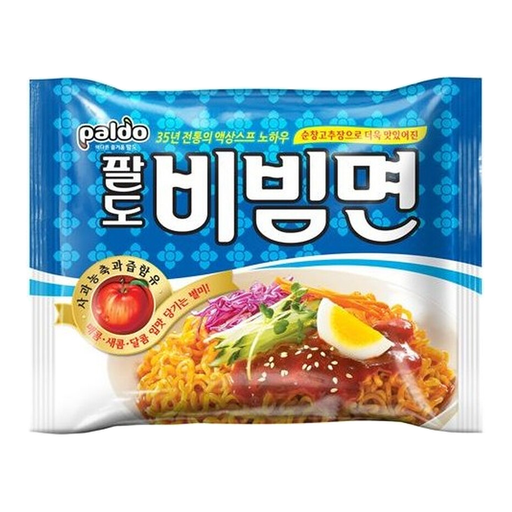
Why this suits the profile: A single 130 g portion is ideal for trying a sweet-spicy variety without committing to a large stock.
The product information clearly states that the noodles are boiled, rinsed cold and mixed with sauce. So you know in advance it's not a soup variety.
130 g per pack; sweet-spicy sauce; ingredients list mentions wheat and soya.
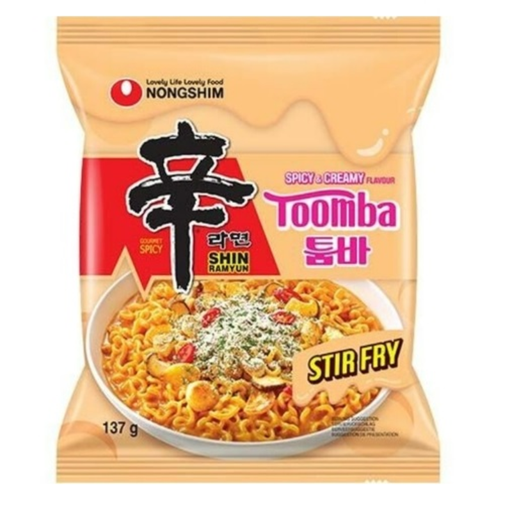
Why this suits the profile: Ideal for ramen fans looking for a Korean soup style with a spicy combination of chilli, garlic and savoury seasonings, according to the product description.
The pack contains separate flavour components and the product information lists allergens such as gluten, soya, milk, mustard and nuts. This makes checking in advance easier.
137 g per portion; ready in around 4 to 5 minutes; soup base with a spicy flavour.
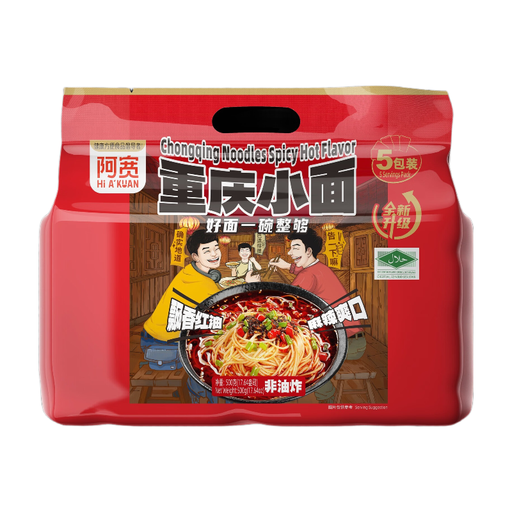
Why this suits the profile: The pack contains 5 sachets of 100 g and is aimed at fans of Chongqing-style noodles with chilli oil, Sichuan pepper and a separate soup base.
The amount of chilli oil can be added to taste according to the preparation method. So you don't have to use the whole sachet automatically.
5 × 100 g; separate chilli oil and spices; flavour profile with Sichuan pepper; contains wheat and soya.
We've put together a full, up-to-date list of products that fully meet these strict selection criteria and current European safety regulations.
Add fresh ingredients that suit the flavour profile. Think of spring onion, cucumber, coriander, pak choi, a boiled egg or tofu. With dry chilli noodles, fresh ingredients work well as a counterbalance to oil and spices. With soup noodles, you can add extra vegetables or an egg without changing the original preparation method.
For products with clear allergen information, always use the label as your guide. Even when a variety seems like vegetarian instant noodles, check the ingredients list. The same goes for halal instant noodles: look at the current packaging and any certification.
That varies by product. Some ramen noodles are boiled in water for 3 to 5 minutes. Other varieties are drained after boiling and mixed with sauce. With cup noodles, you usually just add hot water. Always follow the preparation instructions on the packaging.
The best-before information is on the packaging. Store unopened noodles in a cool, dry place away from direct sunlight. Do not use damaged packaging and seal opened packs properly. When in doubt, the label is your guide.
A multipack can be practical if you eat noodles regularly, but compare the price per portion and the net weight. A 5-pack, 8-pack or box of 20 portions is not automatically better value. Also check whether all portions are the same flavour and whether the best-before date matches your consumption.
