
Vandaag of morgen in huis

Kwaliteit gegarandeerd

Welkomstaanbiedingen ontgrendelen: GRATIS bezorging | Tot 80% korting | Gratis 30 dagen JoyPlus-proefperiode
Download de app
Are you searching for that delightful kick from spicy food? You're not alone. The demand for flavours that excite and surprise is growing. But the search through online grocery shopping can sometimes be disappointing. Packaging that promises fire doesn't always deliver the desired flavour explosion.
As a Product Recommendation Officer at Joybuy, I see a lot of products come and go. I'm here to help you recognise the common pitfalls, so you can make choices that will truly delight your taste buds.
Before you fill your digital shopping cart, it's wise to be aware of a few common misconceptions. This will save you from disappointment and ensure you get exactly what you're looking for.
To sidestep these traps, it's helpful to look at a few specific product characteristics. These specifications provide a much clearer picture than the marketing on the front of the package.
Not all peppers are created equal. The origin of the spiciness determines the character of the flavour.
A good spicy product is balanced. Pay attention to the other ingredients that shape the flavour. Are you looking for something smoky, sweet, sour, or savoury (umami)? Spicy noodles, for example, often combine heat with a rich broth or a savoury sauce. Spicy chips might have a cheese, onion, or barbecue flavour in addition to the kick. Check the ingredients list to see which flavours are dominant.
Consider what you want to use the product for. Are you looking for a ready-to-eat snack for drinks, a quick meal for a busy evening, or an ingredient to cook with? This will determine whether you should opt for a bag of chips, a cup of noodles, or a bottle of sauce.
Based on clear product characteristics, we have selected a few options that cater to different preferences.
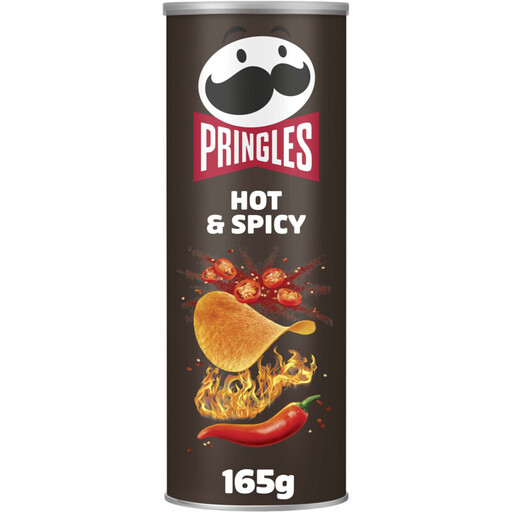
Why This Fits Their Persona: A familiar snack with a predictable, mild heat. Ideal if you want to get accustomed to hot & spicy flavours without being immediately overwhelmed. It's a safe and recognisable choice for a movie night or a casual snack craving.
This product delivers a distinct spice flavour alongside the heat, rather than just a burning sensation. The balance between salt, spices, and a mild kick avoids the 'heat without flavour' trap.
The iconic resealable tube keeps the chips crisp. The flavour is consistent and accessible to a wide audience.
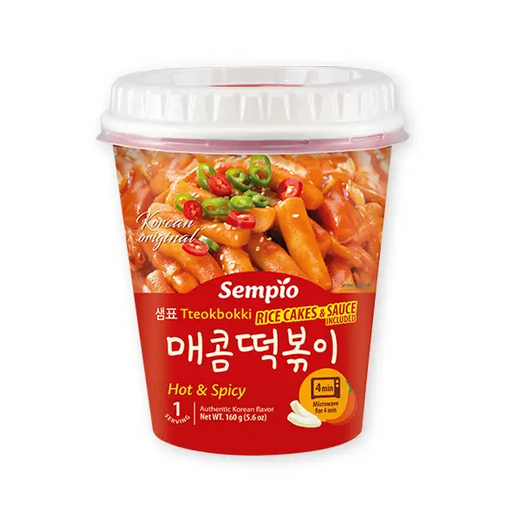
Why This Fits Their Persona: For those seeking the authentic, sweet-and-spicy taste of Korean street food. The chewy texture of the rice cakes (tteok) combined with the rich sauce offers a unique and satisfying experience that goes beyond a standard snack.
The heat comes from gochujang, a fermented chili paste that provides depth and umami. This is the opposite of a flat, one-dimensional heat and offers an authentic flavour.
Ready in 4 minutes for a quick, authentic Korean meal. A complete spicy experience in a convenient cup.
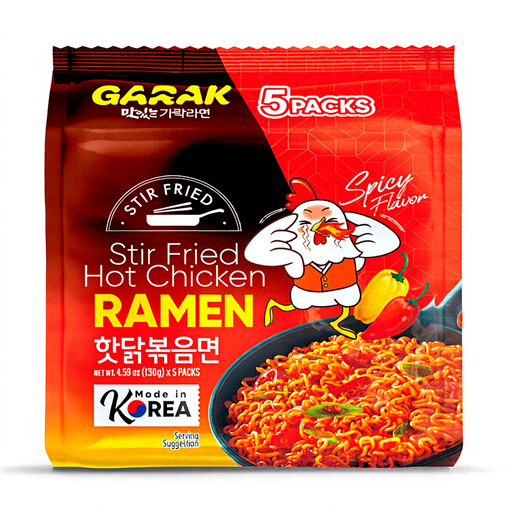
Why This Fits Their Persona: For those who want to put a filling and spicy meal on the table quickly. These spicy noodles offer an intense flavour reminiscent of the popular 'fire noodles', but as a complete and fast meal solution.
The sauce is complex and layered, with both heat and a savoury chicken flavour. This avoids the pitfall of a dish that only burns and offers no flavour depth.
A multipack for several meals and a preparation time of just a few minutes. Convenience and intense flavour in one.
We have compiled a complete, up-to-date list of products that meet these objective selection criteria.
There is no universal scale that all manufacturers use. A good indication can be found by looking at the ingredients list. Is a specific pepper (like habanero or cayenne) high on the list? Then it's likely quite spicy. Products with 'chili extract' are often sharp and hot. The origin, such as Thai or Sichuan cuisine, also often indicates a higher level of heat.
In English, these terms have distinct meanings. 'Hot' refers to the burning sensation from capsaicin in chili peppers. 'Spicy' refers to the presence of spices in general, such as cumin, cloves, or cinnamon. A dish can therefore be spicy without being hot. The products in this article focus primarily on the 'hot' component.
If a dish turns out too hot, dairy products like milk, yoghurt, or a dollop of sour cream help neutralise the capsaicin. Starchy foods like rice, bread, or potatoes can also dampen the heat. A little bit of sugar or acid (like lime juice) can restore the flavour balance and take the sharpest edge off the heat.
