
Vandaag of morgen in huis

Kwaliteit gegarandeerd

Welkomstaanbiedingen ontgrendelen: GRATIS bezorging | Tot 80% korting | Gratis 30 dagen JoyPlus-proefperiode
Download de app
Spicy duck snacks are a popular choice for nibbles with drinks, a quick addition to an Asian meal, or simply as a tasty treat. However, packaging can sometimes look more alike than the contents inside. One snack might consist of hearty duck neck, while another is mainly made up of wings, drumsticks or duck feet. The flavour also ranges from sweet and spicy to sour, aromatic and Sichuan-numbing.
If you only look out for words like “authentic”, “premium” or “extra spicy”, you could end up buying a pack that doesn’t suit your taste or intended use. So, it’s best to pay attention to the type of duck part, the portion size, allergens and storage advice.
A 300g or 700g bag might look appealing for a party, but check how many individual portions are inside and whether the pack can be resealed properly after opening. Individually wrapped snacks are more convenient for on-the-go eating and help you avoid opening the whole bag at once.
Also, look out for the difference between net weight and the actual proportion of duck. In some products, a large part consists of sauce, marinade or spices. The ingredients list will tell you how much duck has actually been used.
Spicy doesn’t automatically mean the same thing. Chilli provides heat, Sichuan pepper can give a tingling or numbing sensation in the mouth, and vinegar adds a sour note. A sweet and spicy duck snack usually contains sugar or a sweet sauce alongside chilli.
If you prefer a milder profile, it’s better to start with marinated duck neck or wings described as sweet and spicy. For fans of a more intense Sichuan duck snack, red chilli and Sichuan pepper are relevant clues to look for on the label.
Many Chinese duck snacks contain soy sauce. This means soya and wheat/gluten are common ingredients. Also check the salt content. In the product information for various seasoned duck wings and duck necks, this can vary significantly per 100g.
Also look out for warnings about sweeteners, sulphites or liquorice. If you have an allergy or food intolerance, the full packaging is the deciding factor; product information online can be updated.
So, your choice depends on the eating experience you’re after. If you enjoy chewing and sharing small pieces, duck neck or duck feet are a good option. For a more meal-like snack, drumsticks or wings are a better fit.
A ready-to-eat duck snack just needs to be opened. Check whether the product is individually wrapped, whether it needs to be refrigerated after opening, and how quickly it should be consumed.
For on-the-go snacking or with drinks, small vacuum packs are practical. For an evening with several people, a 300g pack or a mixed 700g bag makes more sense. Store shelf-stable varieties in a dry place away from direct sunlight. Always follow the temperature and shelf-life instructions on the packaging.
Don’t just compare the flavour name, but also:
A product with 95% duck wings or duck neck has a different composition based on the listed ingredients than a snack where vegetables, oil and seasonings make up a larger share. That doesn’t automatically make it better; it mainly helps you compare more effectively.
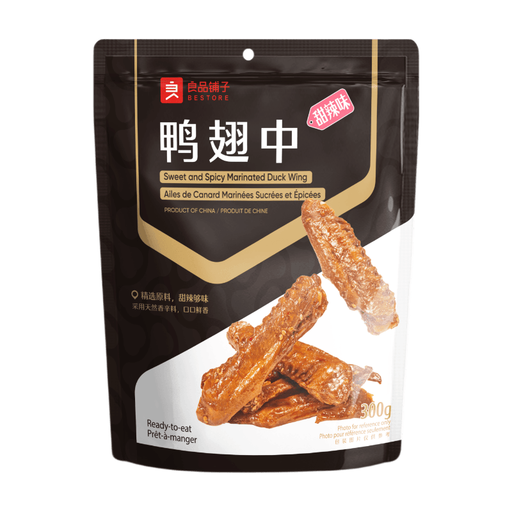
Why this fits the profile: The 300g pack is a manageable size for a first taste of sweet and spicy duck wings and can be shared as a nibble with drinks.
The flavour and portion size are clearly stated. The ingredients list includes chilli, soy sauce and spices, so you’re not just relying on the front of the pack.
300g, ready to eat and a sweet and spicy flavour profile. Contains soya and wheat according to the label; check this if you have allergies.
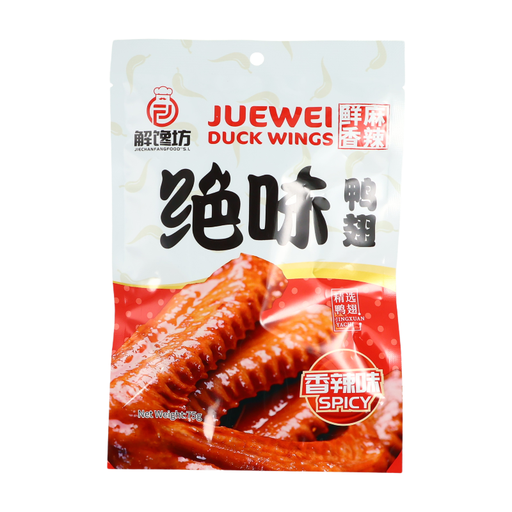
Why this fits the profile: This small pack is aimed at fans of a pronounced Sichuan profile with chilli and Sichuan pepper, without having to buy a large quantity straight away.
The product information states 95% duck wings and lists chilli and Sichuan pepper separately. This makes the choice more verifiable than a general claim about “spicy flavour”.
75g, individually wrapped and ready to eat. According to the product information, the snack contains 30g of protein and 6.5g of salt per 100g.
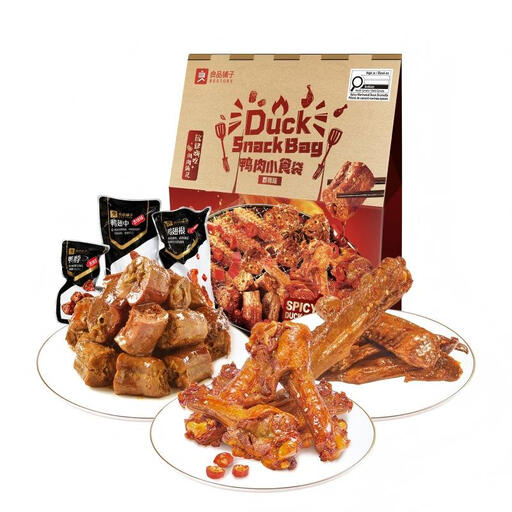
Why this fits the profile: The mixed bag contains duck neck, wing roots and wings. This suits sharing with multiple textures and a drinks gathering with different snack preferences.
You don’t have to choose one duck part in advance. The 22 individual packs make portion control easier than one large opened bag.
700g, three types of duck snack and individually wrapped. The label mentions soya, wheat and liquorice; read the allergen information beforehand.
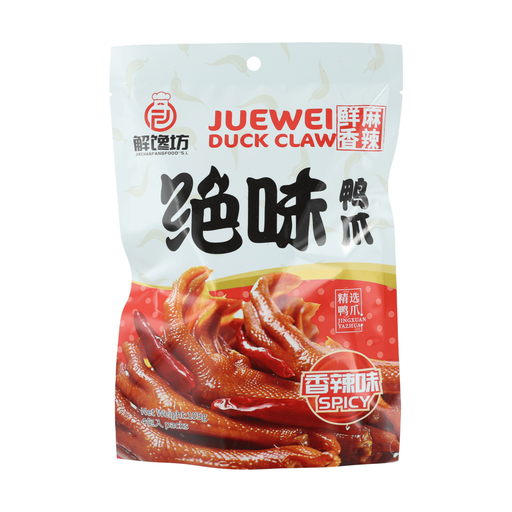
Why this fits the profile: This duck feet snack is aimed at a chewy texture and a spicy marinade. The 105g portion is suitable for one snacking session.
The product type and weight are clearly stated. This means you won’t buy a large mixed bag when you’re specifically looking for duck feet.
According to the product information, the product consists of 95% duck feet and contains Sichuan pepper, star anise and ginger.
We’ve put together a full, up-to-date list of products that fully meet these strict selection criteria and comply with current European safety regulations.
Many varieties can be eaten straight from the pack. However, do check whether the product is shelf-stable outside the fridge and follow the storage advice given after opening. Frozen duck gyoza is a different type of product; it needs to be cooked and is not a ready-to-eat snack.
The unopened shelf life is stated on the packaging. After opening, product labels often advise consuming the snack immediately or storing it refrigerated and sealed. Do not use a pack that is bloated, leaking or damaged.
For sharing and slow snacking, duck neck, wings and mixed packs are practical. A sweet and spicy variety suits those who want less emphasis on Sichuan pepper. If you’re after a tingling, aromatic profile, choose a snack that explicitly mentions Sichuan pepper and chilli.
