
Vandaag of morgen in huis

Kwaliteit gegarandeerd

Welkomstaanbiedingen ontgrendelen: GRATIS bezorging | Tot 80% korting | Gratis 30 dagen JoyPlus-proefperiode
Download de app
When buying spicy crisps, shoppers often focus mainly on words such as “hot”, “spicy” or “chilli”. However, the name does not always tell you enough about the flavour, quantity or suitability for a party. One snack may deliver a mainly sharp chilli taste, while another puts more emphasis on wasabi, cheese, lime or smoked herbs.
With this buying guide, you can compare hot crisps, spicy crisps and international snacks in a practical way. This helps you avoid buying a large pack that does not suit your taste or overlooking allergens.
The term “hot” is not a fixed European scale for spiciness. A product may contain chilli yet still taste mainly sweet, savoury or smoky. When choosing chilli crisps, it is therefore useful to check the full flavour description and ingredients list too.
Look out for ingredients such as:
The order of the ingredients gives an indication of the composition, but does not determine exactly how strong the flavour will seem.
A 185- or 200-gram bag may look appealing for sharing, but could be less suitable if you are snacking alone. Individual bags, on the other hand, are convenient for eating on the go, but often less practical when you want to fill one large serving bowl.
That is why you should compare the net weight, number of portions and price per 100 grams. For example, a multipack of crisps containing twelve 40-gram bags is practical for lunch boxes or several snacking occasions, but is not the same as one 165-gram multipack.
Spicy potato crisps do not automatically contain just potato, oil and pepper. Seasoning powders may contain milk, wheat, soya, mustard, egg, sesame or crustaceans, among other ingredients. Always check the packaging again, especially with imported Japanese crisps and other international snacks.
Product information may change between batches or markets. If you have an allergy or intolerance, always use the current packaging as your guide.
First, choose the type of heat you enjoy:
If you are looking for a distinctive flavour, you may want to compare several smaller packs rather than ordering a large bag straight away.
The base affects how the seasoning is experienced. Thin potato crisps are light and crunchy, while ridged crisps can hold more seasoning. Corn chips, cheese curls and rice crackers offer a different bite.
Check whether the product is made from:
With products featuring “crispy”, “crunchy” or “wave” in their name, the texture is part of the product description, but the crunchiness still depends on the packaging, storage conditions and how long the pack has been open.
Many crisp products in this selection contain around 480 to 588 kcal per 100 grams, depending on the recipe and product type. Also check the fat, saturated fat, sugar and salt content. The nutritional value of a portion can vary considerably: 28.4 grams is not the same as a 40-gram or 30-gram portion.
Store opened crisps in a cool, dry place away from direct sunlight and moisture. Seal the bag properly or use resealable packaging. Discard the packaging if it is damaged, or if the contents no longer smell or taste right.
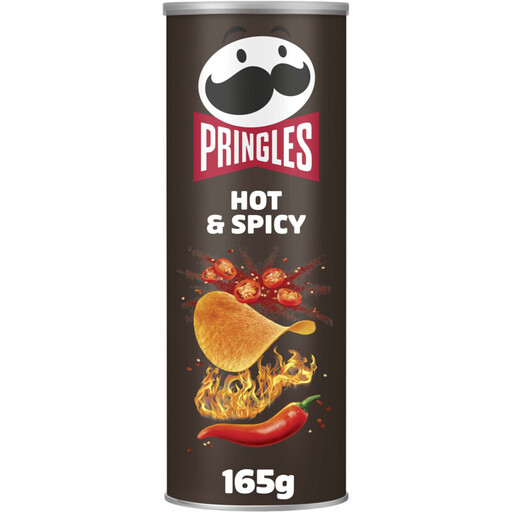
Why it suits this profile: A familiar 165-gram pack for anyone wanting to try classic potato crisps with a clearly spicy flavour.
The net weight and nutritional information are clearly stated. Do check the ingredients, though: the product contains wheat and milk and may contain soya.
165 grams; resealable tube; cayenne pepper sauce powder and herbs in the seasoning mix.
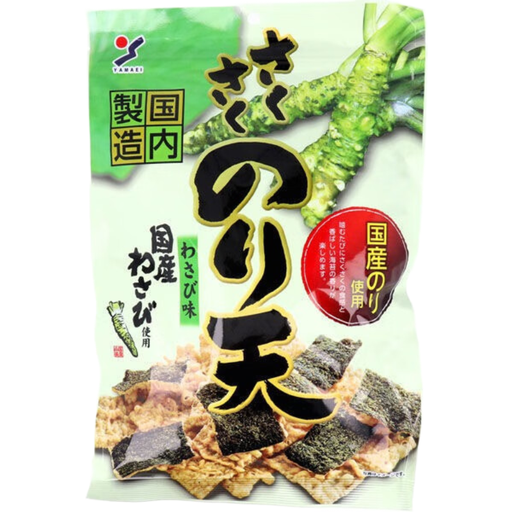
Why it suits this profile: For fans of Japanese snacks who prefer umami, seaweed and wasabi to a classic chilli flavour.
The product description makes it clear that this is tempura seaweed, not ordinary potato crisps. Allergens include wheat, egg and soya.
70 grams; crispy tempura coating; combination of seaweed and wasabi seasoning.
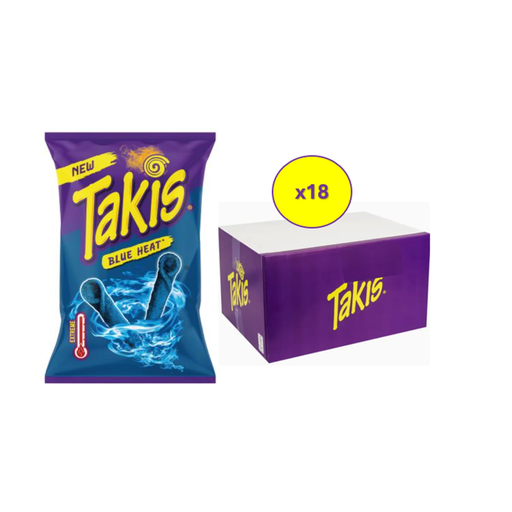
Why it suits this profile: A large multipack for parties, snack tastings or households where several small portions are preferred.
The pack contains 18 individual 100-gram bags. This means you do not have to keep one opened bag for a long time. Check the packaging for milk and gluten information.
18 packs; maize base; distinctive blue colour from spirulina extract and a seasoned flavour mix.
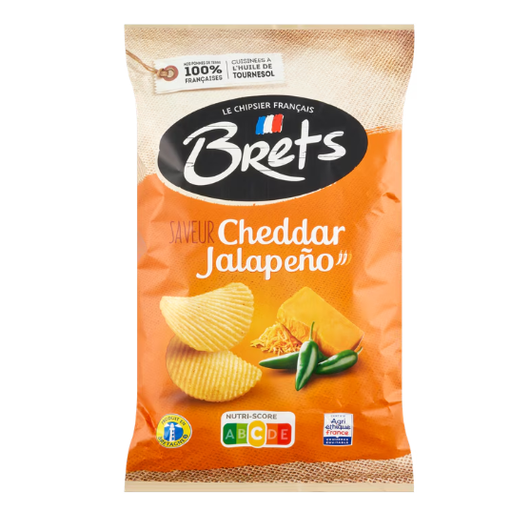
Why it suits this profile: Ideal for a sharing platter where spiciness is combined with a creamy cheese flavour.
The flavour names both jalapeño and cheddar, making the combination clear in advance. The label lists milk and possible traces of celery and mustard.
125 grams; approximately four 30-gram portions; potato base with jalapeño, herbs and cheese powder.
We have put together a complete, up-to-date list of products that fully meet these strict selection criteria and the applicable European safety regulations.
For a party, larger tubes or bags are convenient, such as 165 to 200 grams. If you want to minimise waste and prevent crisps from going stale, choose several smaller packs. A selection of chilli, jalapeño, wasabi and BBQ-flavoured crisps gives guests a range of different flavour profiles.
That depends entirely on the product. The examples include milk, wheat, soya, egg, mustard and sesame, among other ingredients. Read the allergen information on the current packaging and do not rely solely on the snack’s name or image.
Store the packaging in a dry, cool place and seal it properly. A resealable tube is convenient, but it should still be closed after opening. Crisps that absorb moisture become less crunchy, so follow the storage instructions on the label and ideally eat an opened bag promptly.
