
Vandaag of morgen in huis

Kwaliteit gegarandeerd

Welkomstaanbiedingen ontgrendelen: GRATIS bezorging | Tot 80% korting | Gratis 30 dagen JoyPlus-proefperiode
Download de app
Are you searching for that authentic, fiery kick for your dishes, but can't see the forest for the trees? The spicy condiment aisle is vast, from hot sauce and sambal to complex Sichuan spices. Unfortunately, this often leads to disappointment: a sauce that only burns without any flavour, or an "authentic" blend that ruins your dish.
Before you buy another bottle that gets lost in the back of the fridge, it's worth knowing the most common pitfalls. This will help you avoid wasting money and choose the perfect condiment for your dish right from the start.
The 2 Most Common Pitfalls When Buying Spicy Condiments:
To avoid a bad buy, it's smart to look for a few specific details on the label. These determine the final flavour and application.
Not all peppers are created equal. The choice of pepper determines 90% of the flavour.
Consider what you want to use the condiment for. Its form is crucial here.
Based on clear product features and applications, we have selected several popular choices that suit different types of home cooks.
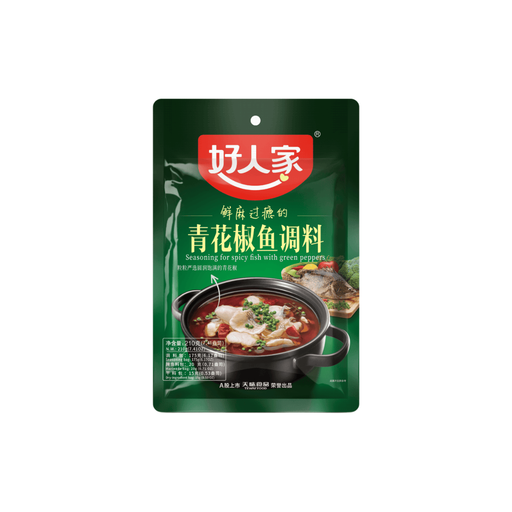
Why This Fits Their Persona: Ideal for those who want to create an authentic Sichuan dish at home without having to blend all the spices themselves. This complete base is specially developed for spicy fish dishes.
This product bypasses the "vague authenticity" trap. It contains specific green Sichuan peppercorns for the signature, tingling 'mala' flavour, instead of generic chili.
Complete all-in-one package with sauce and thickener. Delivers a complex, layered flavour that is difficult to replicate from scratch.
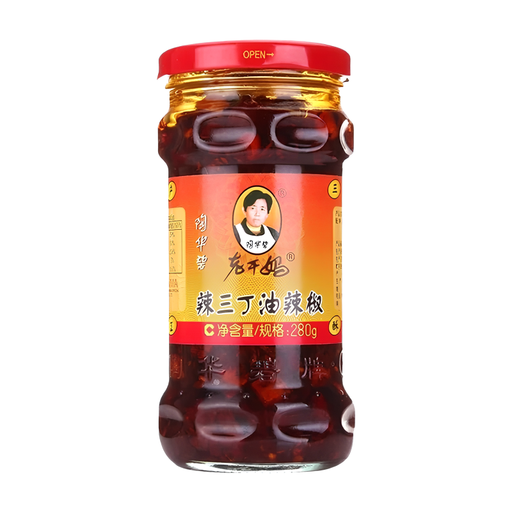
Why This Fits Their Persona: For those seeking a versatile condiment that goes with almost anything: from noodles and rice to eggs and dumplings. A pantry staple.
This chili oil is the opposite of the "heat-only" trap. It offers a deep, savoury umami flavour and a crunchy texture from peanuts and soybeans.
Extremely versatile. Adds a complex, salty, and crunchy dimension to simple dishes, in addition to heat.
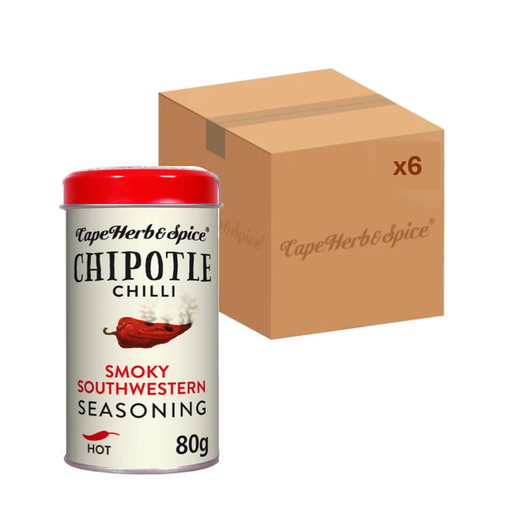
Why This Fits Their Persona: Perfect for seasoning meat, chicken, or ribs for the barbecue or pan. This dry rub creates a smoky, spicy crust.
This chipotle rub is highly specific. It uses smoked chili peppers (chipotle) to deliver a predictable, smoky flavour that's perfect for grilled dishes, rather than a vague "spicy" taste.
A dry meat rub that can be applied directly. The blend of cumin, garlic, and oregano complements the smoky pepper flavour perfectly.
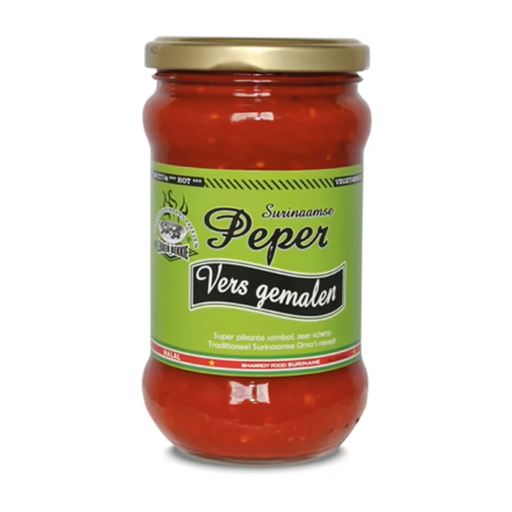
Why This Fits Their Persona: For the 'chilihead' seeking pure, unadulterated heat. This sambal is made from 92% fresh Surinamese peppers and is intended for those who want it truly hot.
This product is straightforward and avoids the trap of misleading heat. The high percentage of Surinamese peppers guarantees an intense spiciness, exactly as promised.
Highly concentrated heat due to the high percentage of peppers (92%). Ready to use and ideal for taking dishes to the next level of spiciness.
We have compiled a complete, up-to-date list of products that meet these strict selection criteria and current regulations.
Although both are a hot sauce based on chili peppers, there is a clear difference. Sambal, originally from Indonesia and popular in Surinamese cuisine, is often a coarser paste of ground peppers, salt, and sometimes vinegar or trassi (shrimp paste). Sriracha is a smoother, often slightly sweeter sauce from Thailand, made from chili peppers, vinegar, garlic, sugar, and salt. Sambal is typically purer and hotter, while sriracha has a more balanced and complex flavour profile.
Most hot sauces and sambals contain vinegar and salt, which are natural preservatives. After opening, it's best to store them in the refrigerator to maintain freshness and colour. They will remain good for months. Dry spice rubs and dried chili peppers should be stored in a cool, dark, and dry place in an airtight container to prevent them from losing their aroma and potency.
Mala is a combination of two Chinese characters: má (麻), which means 'numbing' or 'tingling', and là (辣), which means 'spicy'. This unique sensation is caused by the combination of Sichuan peppercorns (which provide the tingle) and chili peppers (which provide the heat). An authentic mala seasoning or hot pot base therefore delivers not only heat but also that characteristic, slightly numbing sensation on the tongue.
