
Vandaag of morgen in huis

Kwaliteit gegarandeerd

Welkomstaanbiedingen ontgrendelen: GRATIS bezorging | Tot 80% korting | Gratis 30 dagen JoyPlus-proefperiode
Download de app
Fancy some spicy Chinese instant noodles, but not sure which pack is right for you? The difference isn’t just about the chilli pepper icon on the packaging. Sichuan noodles, Chongqing noodles, hot and sour noodles and chilli oil noodles can vary hugely in texture, preparation, portion size and salt content.
If you only look at a flashy packet or the words “extra spicy”, you could end up buying something that’s too hot, has little sauce, or doesn’t suit the way you want to prepare it. The points below will help you compare Chinese instant noodles and other Asian noodles more practically.
Spiciness can come from chilli, chilli oil or a sauce with pepper extract. With Sichuan noodles, Sichuan pepper often plays a part too. It’s usually described as tingling or numbing, but the intensity varies from product to product.
A Chongqing noodle, for example, might contain a spiced oil and broth base, whereas hot and sour noodles taste mainly of vinegar and chilli oil. Korean spicy noodles are often sweet and spicy, and are usually mixed dry. So look at the ingredients and the individual sachets, rather than just the front of the pack.
An instant noodle multipack is handy for students, store cupboards or busy households. But do check the weight per serving. A pack of five sachets can have less total content than a bulk pack with eight portions.
Also pay attention to what’s inside the sachets. Some products contain only noodles and sauce, while others include dried vegetables, sesame, peas or extra seasonings. Wei Long Spicy Little Noodles, for instance, are described as ready-to-eat wheat gluten snacks, not a noodle meal you need to cook.
Wide, chewy noodles absorb plenty of sauce and feel firmer. Sweet potato or tapioca starch vermicelli, on the other hand, has a smoother, more elastic bite. Fried noodle blocks are usually quick to prepare, while non-fried noodles sometimes need longer soaking or boiling.
So check whether the product needs to be boiled, soaked, rinsed or mixed dry. Some Dan Dan noodles require you to add your own toppings, while other packs already contain sauce, oil and vegetables.
Wheat, gluten, soya and sesame are common in spicy noodles. A Kuan Red Oil Noodles contains wheat flour and sesame according to the product specification. Lamianfan Chongqing Small Noodles lists gluten-containing cereals, soya and sesame among its ingredients. Always read the label on the pack you receive, especially if you have allergies or intolerances.
Also look out for flavour enhancers, sweeteners and preservatives. Their presence alone doesn’t tell you how to judge a product, but it is relevant information for your purchase decision.
Nutritional information is usually given per 100g. Compare that value with the total portion and check whether the nutrition data refers to the dry product, the sauce or the prepared meal. With spicy noodles, the sauce can contribute a significant amount of the salt and fat.
A practical approach is to add only part of the oil or sauce sachet. This changes the flavour and composition of the prepared meal, but gives you more control over the intensity.
For a quick noodle meal, instructions of three to five minutes are typical. A Kuan Red Oil Noodles requires around 350ml of boiling water and two minutes of covered soaking, according to the product information. HUI JI Youyimian Sichuan Pepper Noodles need to be boiled for five to eight minutes.
Check beforehand whether you need a pan, colander or just a bowl and kettle. For a student kitchen or office, a bowl-ready option can be more practical. When in doubt, add the seasonings and chilli oil gradually.
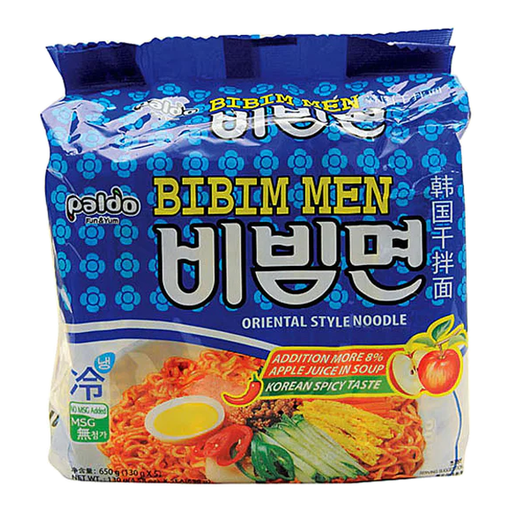
Why this fits the profile: The five individual portions are handy when you want to prepare a sweet and spicy, dry-mixed noodle meal every now and then.
The preparation steps mention boiling, rinsing cold and mixing. So you know in advance that it’s a dry sauce preparation.
130g per serving, five sachets and a preparation time of around 3 to 4 minutes.
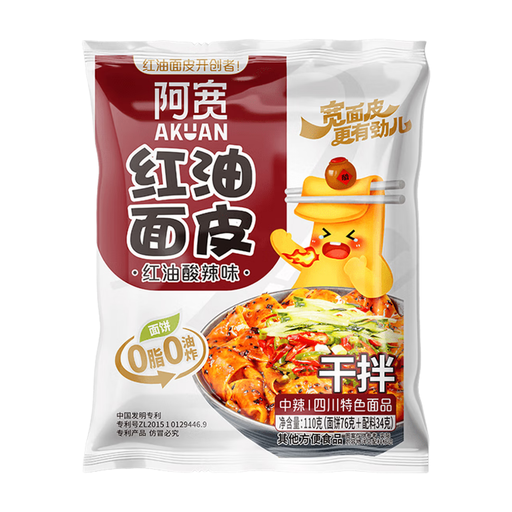
Why this fits the profile: If you’re particularly focused on wide noodles, sauce distribution and a distinct sour-spicy profile, you get a clear product composition.
The pack contains separate sachets for chilli oil, powder and vinegar. So you can build up the flavour gradually.
Wide, chewy noodles with wheat flour and potato starch; ready in around 2 minutes of soaking according to the instructions.
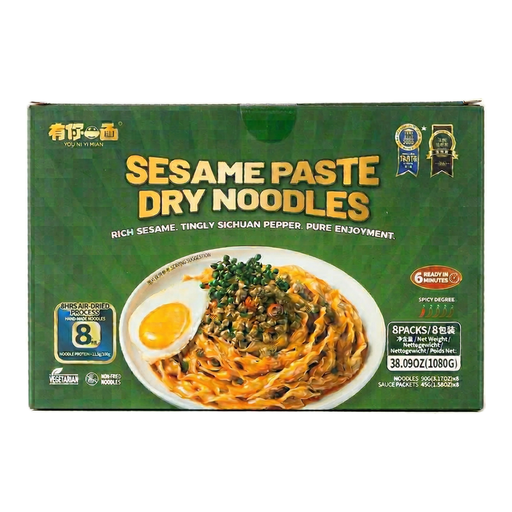
Why this fits the profile: The bulk pack suits enthusiasts who eat Sichuan noodles regularly and want to control the softness themselves.
The weight and number of portions are clearly stated: eight packs totalling 1080g.
Wide, chewy noodles, Sichuan pepper sauce and 5 to 8 minutes boiling time so you can adjust to your preferred texture.
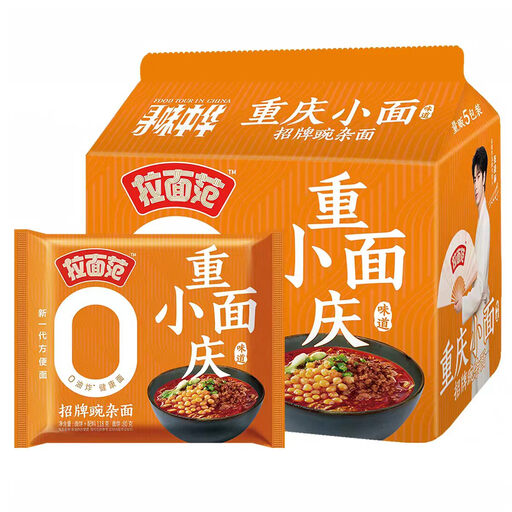
Why this fits the profile: The complete set with noodles, chilli oil, peas, seasoning powder and vegetables offers more components than a simple sauce noodle.
The contents of the five sachets per serving are specified, so you’re not just relying on the “street food style” description.
Five servings of 128g according to the product information and a preparation time of around 3 minutes.
We’ve put together a full, up-to-date list of products that fully meet these strict selection criteria and comply with current European safety regulations.
No. The level of heat you experience depends on the amount of chilli oil, pepper, vinegar and any Sichuan pepper. Start with part of the sauce and add more later. A sweet and spicy sauce also tastes different from a dry mala or hot and sour preparation.
Follow the pack instructions. Some wide noodles need to soak in boiling water for a few minutes, while others need to be boiled. Drain the water well before adding the sauce. This helps the sauce stick to the noodles better and keeps the dish from becoming watery.
The best-before date is on the packaging. Store unopened products according to the instructions given, usually in a cool, dry place away from direct sunlight. Check the date, any damage and the allergen information when you receive them. Once opened or prepared, it’s best to eat the noodles straight away.
